

GIVE THE PERFECT GIFT
Erin Mills Town Centre Gift Cards are the perfect choice for your gift giving needs.Purchase gift cards at kiosks near the food court or centre court, at Guest Services, or click below to purchase online.PURCHASE HEREHome
Covid-19 (Forced) Innovations: Pandemic Impacts on Architecture and Urbanism
Indigo
Loading Inventory...
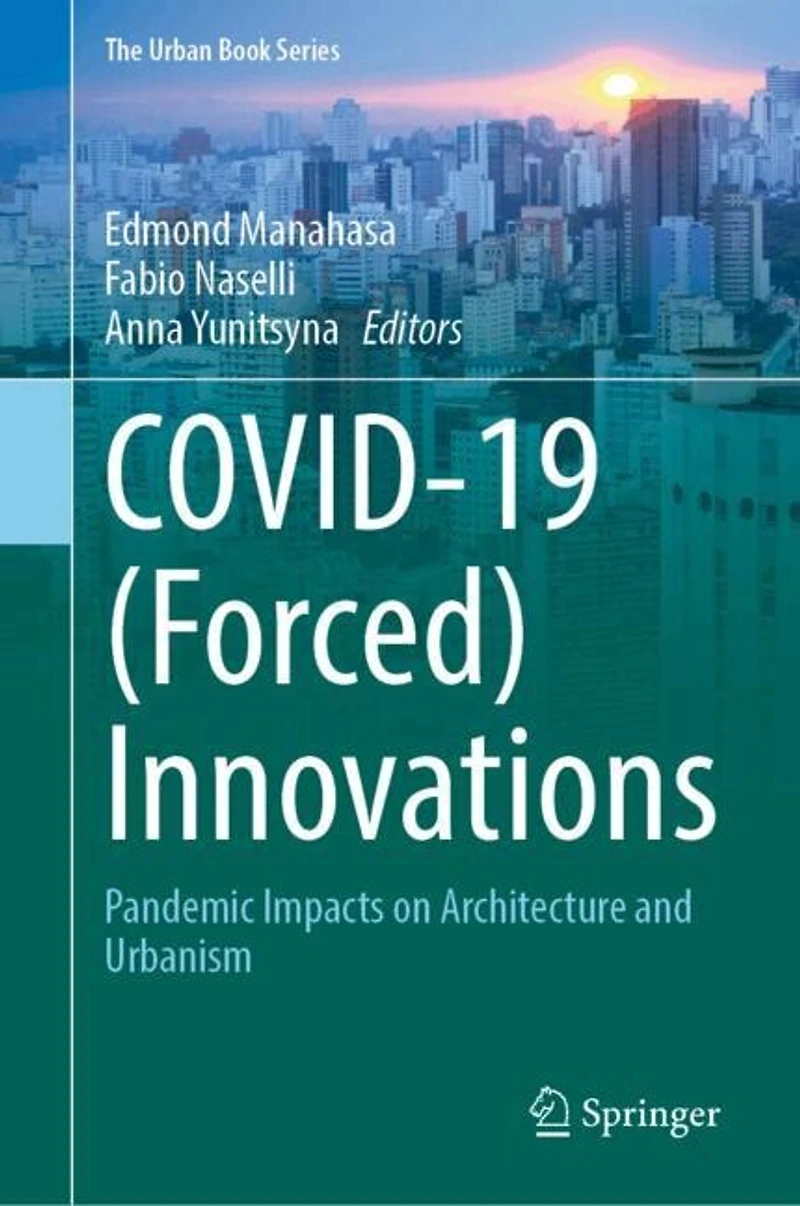
Covid-19 (Forced) Innovations: Pandemic Impacts on Architecture and Urbanism
Current price: $233.95

Covid-19 (Forced) Innovations: Pandemic Impacts on Architecture and Urbanism
Current price: $233.95
Loading Inventory...
Size: Hardcover
*Product information may vary - to confirm product availability, pricing, shipping and return information please contact Indigo
This book gives an overview of the shifting paradigm from traditional design techniques and standards to new values and methods that occurred in response to confronting the COVID-19 pandemic. The theoretical studies of the phenomenon of "new normality" in architecture, urbanism and social sciences are a source of knowledge for researchers, professors and students in the fields of architecture, urbanism and interior design. On-site applications of post-COVID-19 structures will be interesting for students, practitioners, developers and city managers. The issue of online design teaching and learning provides a set of practices that can be applied by both educators and trainees. The book also is useful for readers who are interested in recent trends in architecture and interior design: it provides a deep analysis of recent changes in architecture, which aim to make the environment disease-free and the space habitable during the long periods of lockdown.
This book gives an overview of the shifting paradigm from traditional design techniques and standards to new values and methods that occurred in response to confronting the COVID-19 pandemic. The theoretical studies of the phenomenon of "new normality" in architecture, urbanism and social sciences are a source of knowledge for researchers, professors and students in the fields of architecture, urbanism and interior design. On-site applications of post-COVID-19 structures will be interesting for students, practitioners, developers and city managers. The issue of online design teaching and learning provides a set of practices that can be applied by both educators and trainees. The book also is useful for readers who are interested in recent trends in architecture and interior design: it provides a deep analysis of recent changes in architecture, which aim to make the environment disease-free and the space habitable during the long periods of lockdown.
You May Also Like







More About Indigo at Erin Mills Town Centre
The largest book retailer in Canada also offers toys, music, home décor, gifts and lifestyle products. What's Inside...Books, Magazines, CD’s and DVD’s, Toys and Gifts, Home Accents, Electronics, Baby’s and Children’s Section, Bath and Body, Kitchen and Bedroom, Stationary Located outside in the exterior plaza.
5015 Glen Erin Dr, Mississauga, ON L5M 0R7, Canada
Find Indigo at Erin Mills Town Centre in Mississauga ON
Visit Indigo at Erin Mills Town Centre in Mississauga ON