

GIVE THE PERFECT GIFT
Erin Mills Town Centre Gift Cards are the perfect choice for your gift giving needs.Purchase gift cards at kiosks near the food court or centre court, at Guest Services, or click below to purchase online.PURCHASE HEREHome
Creation and Creation's God: One God, One Story, One People
Indigo
Loading Inventory...
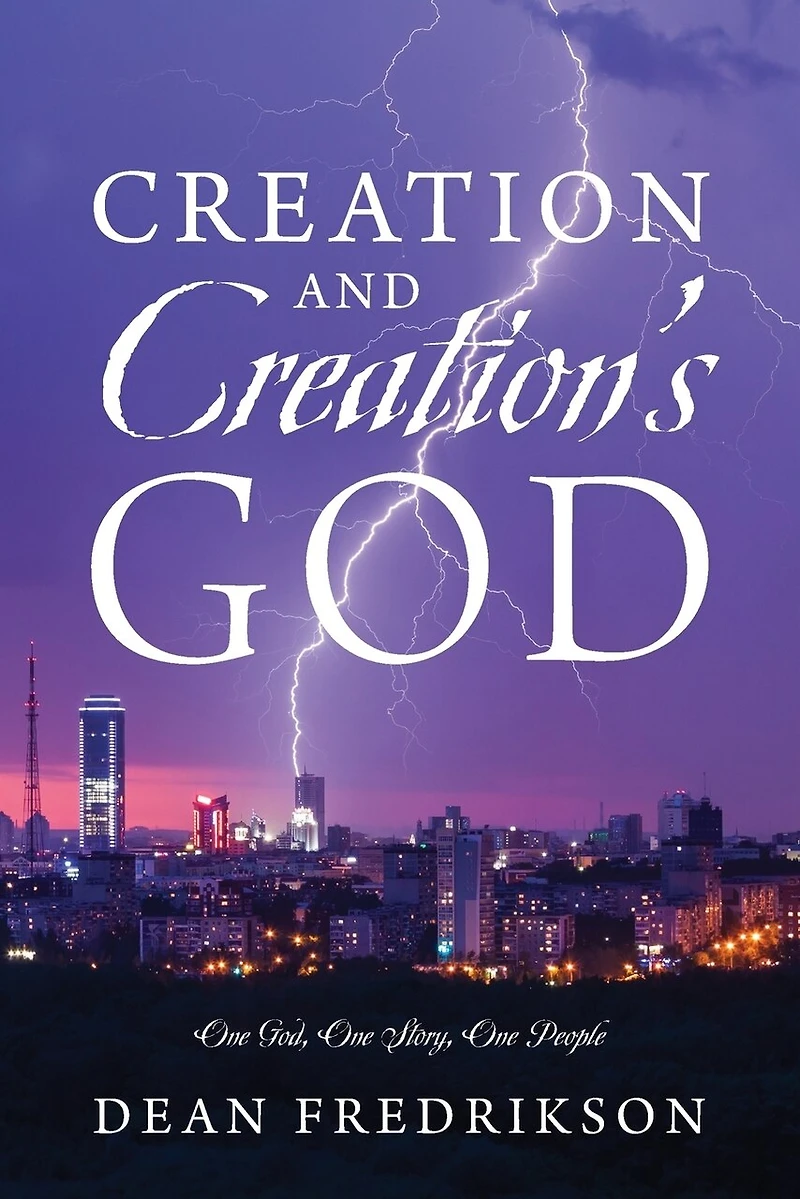
Creation and Creation's God: One God, One Story, One People
Current price: $44.95

Creation and Creation's God: One God, One Story, One People
Current price: $44.95
Loading Inventory...
Size: Paperback
*Product information may vary - to confirm product availability, pricing, shipping and return information please contact Indigo
For millions of literate people, the issue of natural and human origins remains open, both at the level of science and also at that of the biblical account of creation. The issues are poorly understood; it is not merely a matter of science vs. faith. Regarding science, the question is what science is scientific. The Genesis account of creation, on the other hand, is buried under centuries of theological orthodoxy more derived from Greek philosophy than from the language of Genesis itself. Augustinian Neo-Platonism predisposes interpretation of the Genesis account to misunderstanding. That view of instantaneous, complete and final ("fiat") creation, derived as it is from the idea of God as the quality of perfection, is contrary to the biblical story of a personal creator God who acts with purpose from a beginning to ultimate fulfillment in a new and good world. In fact, the idea of the progressive evolution of the natural world and of mankind fits better the stages of creation depicted in Genesis. But the idea of accidental or inevitable progress in autonomous nature is self-contradictory and entirely contrary to the biblical view of what might be regarded as purposeful, creative evolution. The purpose of the writer (or writers) of Genesis was to affirm that the world and humanity was the work of the one supreme God of the Jewish prophets. It is not an argument to prove the existence of God or to describe either the mechanics of creation or the antecedents of the big bang. Science that conforms to the modern definition of peer reviewed reproducibility and physical testability is one thing. Science that seeks its foundations in metaphysics as in the Bohr-Einstein debate over randomness in quantum theory vs. theoretical predictability, and the question of one universe vs. multiverse, is more metaphysical than scientific. Part of the book's argument occurs in fragments of a philosophy of language in which the difference between the use of literal language and literalis
For millions of literate people, the issue of natural and human origins remains open, both at the level of science and also at that of the biblical account of creation. The issues are poorly understood; it is not merely a matter of science vs. faith. Regarding science, the question is what science is scientific. The Genesis account of creation, on the other hand, is buried under centuries of theological orthodoxy more derived from Greek philosophy than from the language of Genesis itself. Augustinian Neo-Platonism predisposes interpretation of the Genesis account to misunderstanding. That view of instantaneous, complete and final ("fiat") creation, derived as it is from the idea of God as the quality of perfection, is contrary to the biblical story of a personal creator God who acts with purpose from a beginning to ultimate fulfillment in a new and good world. In fact, the idea of the progressive evolution of the natural world and of mankind fits better the stages of creation depicted in Genesis. But the idea of accidental or inevitable progress in autonomous nature is self-contradictory and entirely contrary to the biblical view of what might be regarded as purposeful, creative evolution. The purpose of the writer (or writers) of Genesis was to affirm that the world and humanity was the work of the one supreme God of the Jewish prophets. It is not an argument to prove the existence of God or to describe either the mechanics of creation or the antecedents of the big bang. Science that conforms to the modern definition of peer reviewed reproducibility and physical testability is one thing. Science that seeks its foundations in metaphysics as in the Bohr-Einstein debate over randomness in quantum theory vs. theoretical predictability, and the question of one universe vs. multiverse, is more metaphysical than scientific. Part of the book's argument occurs in fragments of a philosophy of language in which the difference between the use of literal language and literalis
You May Also Like













More About Indigo at Erin Mills Town Centre
The largest book retailer in Canada also offers toys, music, home décor, gifts and lifestyle products. What's Inside...Books, Magazines, CD’s and DVD’s, Toys and Gifts, Home Accents, Electronics, Baby’s and Children’s Section, Bath and Body, Kitchen and Bedroom, Stationary Located outside in the exterior plaza.
5015 Glen Erin Dr, Mississauga, ON L5M 0R7, Canada
Find Indigo at Erin Mills Town Centre in Mississauga ON
Visit Indigo at Erin Mills Town Centre in Mississauga ON