

GIVE THE PERFECT GIFT
Erin Mills Town Centre Gift Cards are the perfect choice for your gift giving needs.Purchase gift cards at kiosks near the food court or centre court, at Guest Services, or click below to purchase online.PURCHASE HEREHome
Creativity Education, Urban and Cultural Policy: a critique of contemporary keyword
Indigo
Loading Inventory...
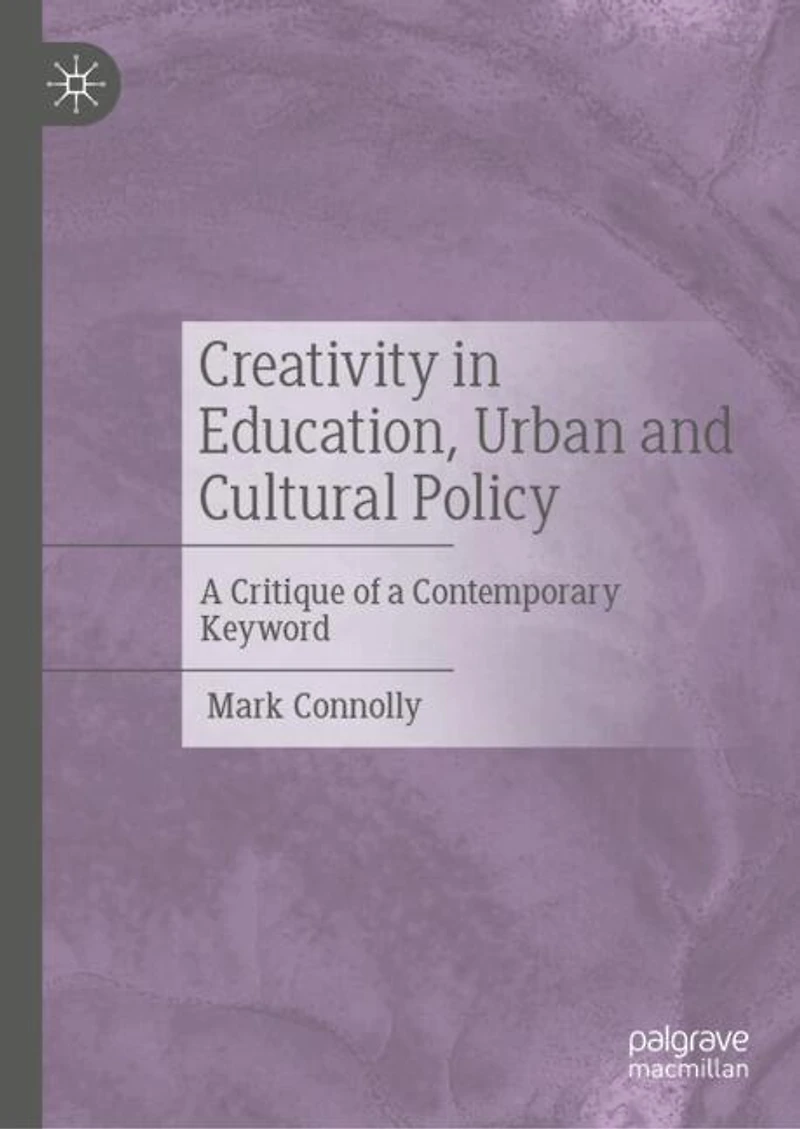
Creativity Education, Urban and Cultural Policy: a critique of contemporary keyword
Current price: $262.95

Creativity Education, Urban and Cultural Policy: a critique of contemporary keyword
Current price: $262.95
Loading Inventory...
Size: Hardcover
*Product information may vary - to confirm product availability, pricing, shipping and return information please contact Indigo
This book critiques creativity as a 'keyword' in contemporary society. This is illustrated through an analysis of the uses of creativity within cultural, urban and educational policy. While there have been critiques and debates of the uses of creativity within these fields, the author innovatively bridges these disciplines by providing both an overview of the philosophical and ideological underpinnings of these debates and illustration of how they manifest in these distinct, yet interrelated policy spheres. Drawing on Raymond Williams' theory of culture as social communication and keyword approach, the book illustrates how the creative turn in contemporary policy can divert attention from structural analysis and provide a rhetorical gloss for inequitable social policies. It will appeal to academics, students and practitioners involved in education, cultural and urban studies.
This book critiques creativity as a 'keyword' in contemporary society. This is illustrated through an analysis of the uses of creativity within cultural, urban and educational policy. While there have been critiques and debates of the uses of creativity within these fields, the author innovatively bridges these disciplines by providing both an overview of the philosophical and ideological underpinnings of these debates and illustration of how they manifest in these distinct, yet interrelated policy spheres. Drawing on Raymond Williams' theory of culture as social communication and keyword approach, the book illustrates how the creative turn in contemporary policy can divert attention from structural analysis and provide a rhetorical gloss for inequitable social policies. It will appeal to academics, students and practitioners involved in education, cultural and urban studies.
You May Also Like








More About Indigo at Erin Mills Town Centre
The largest book retailer in Canada also offers toys, music, home décor, gifts and lifestyle products. What's Inside...Books, Magazines, CD’s and DVD’s, Toys and Gifts, Home Accents, Electronics, Baby’s and Children’s Section, Bath and Body, Kitchen and Bedroom, Stationary Located outside in the exterior plaza.
5015 Glen Erin Dr, Mississauga, ON L5M 0R7, Canada
Find Indigo at Erin Mills Town Centre in Mississauga ON
Visit Indigo at Erin Mills Town Centre in Mississauga ON