

GIVE THE PERFECT GIFT
Erin Mills Town Centre Gift Cards are the perfect choice for your gift giving needs.Purchase gift cards at kiosks near the food court or centre court, at Guest Services, or click below to purchase online.PURCHASE HEREHome
Creolized Aurality: Guadeloupean Gwoka and Postcolonial Politics
Indigo
Loading Inventory...
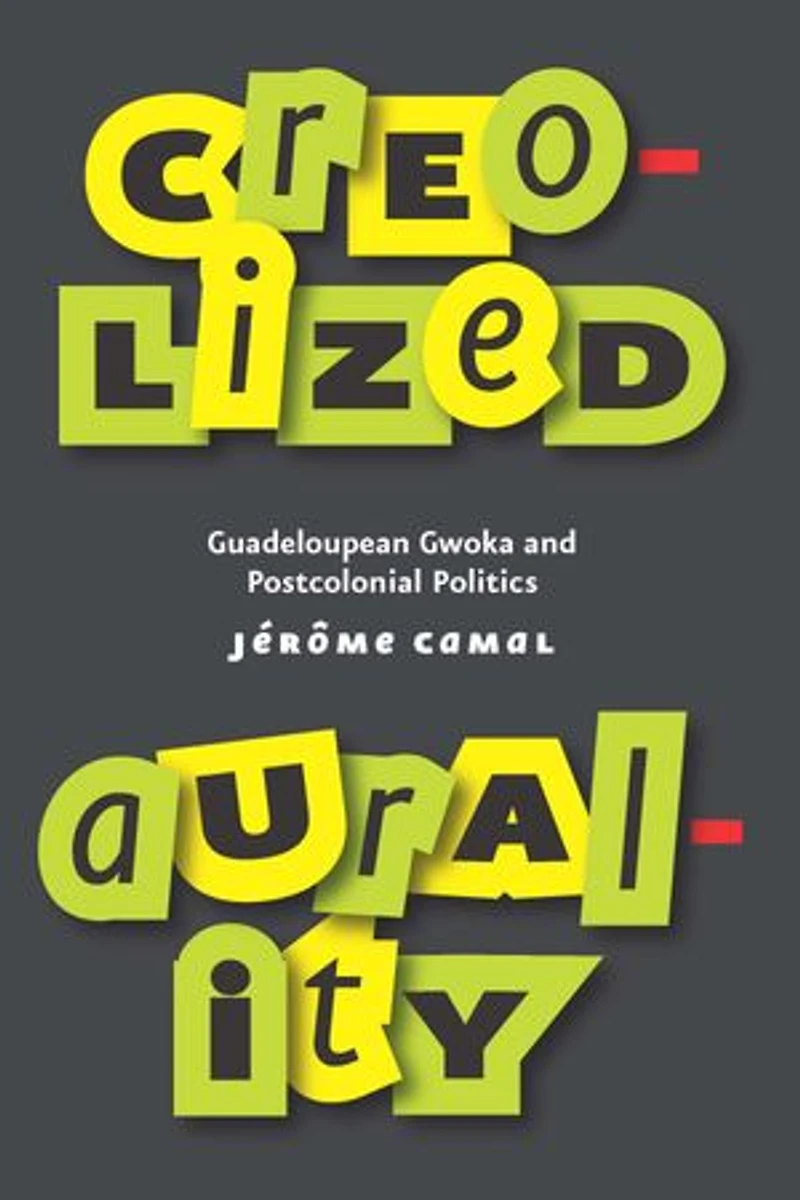
Creolized Aurality: Guadeloupean Gwoka and Postcolonial Politics
Current price: $17.59
Original price: $21.99

Creolized Aurality: Guadeloupean Gwoka and Postcolonial Politics
Current price: $17.59
Original price: $21.99
Loading Inventory...
Size: Kobo eBook
*Product information may vary - to confirm product availability, pricing, shipping and return information please contact Indigo
In the Caribbean island of Guadeloupe, the complex interplay between anticolonial resistance and accommodation resounds in its music. Guadeloupean gwoka music—a secular, drum-based tradition—captures the entangled histories of French colonization, movements against it, and the uneasy process of the island's decolonization as an overseas territory of France. In Creolized Aurality, Jérôme Camal demonstrates that musical sounds and practices express the multiple—and often seemingly contradictory—cultural belongings and political longings that characterize postcoloniality. While gwoka has been associated with anti-colonial activism since the 1960s, in more recent years it has provided a platform for a cohort of younger musicians to express pan-Caribbean and diasporic solidarities. This generation of musicians even worked through the French state to gain UNESCO heritage status for their art. These gwoka practices, Camal argues, are "creolized auralities"—expressions of a culture both of and against French coloniality and postcoloniality.
In the Caribbean island of Guadeloupe, the complex interplay between anticolonial resistance and accommodation resounds in its music. Guadeloupean gwoka music—a secular, drum-based tradition—captures the entangled histories of French colonization, movements against it, and the uneasy process of the island's decolonization as an overseas territory of France. In Creolized Aurality, Jérôme Camal demonstrates that musical sounds and practices express the multiple—and often seemingly contradictory—cultural belongings and political longings that characterize postcoloniality. While gwoka has been associated with anti-colonial activism since the 1960s, in more recent years it has provided a platform for a cohort of younger musicians to express pan-Caribbean and diasporic solidarities. This generation of musicians even worked through the French state to gain UNESCO heritage status for their art. These gwoka practices, Camal argues, are "creolized auralities"—expressions of a culture both of and against French coloniality and postcoloniality.
You May Also Like








More About Indigo at Erin Mills Town Centre
The largest book retailer in Canada also offers toys, music, home décor, gifts and lifestyle products. What's Inside...Books, Magazines, CD’s and DVD’s, Toys and Gifts, Home Accents, Electronics, Baby’s and Children’s Section, Bath and Body, Kitchen and Bedroom, Stationary Located outside in the exterior plaza.
5015 Glen Erin Dr, Mississauga, ON L5M 0R7, Canada
Find Indigo at Erin Mills Town Centre in Mississauga ON
Visit Indigo at Erin Mills Town Centre in Mississauga ON