

GIVE THE PERFECT GIFT
Erin Mills Town Centre Gift Cards are the perfect choice for your gift giving needs.Purchase gift cards at kiosks near the food court or centre court, at Guest Services, or click below to purchase online.PURCHASE HEREHome
Creolizing Rosa Luxemburg
Indigo
Loading Inventory...
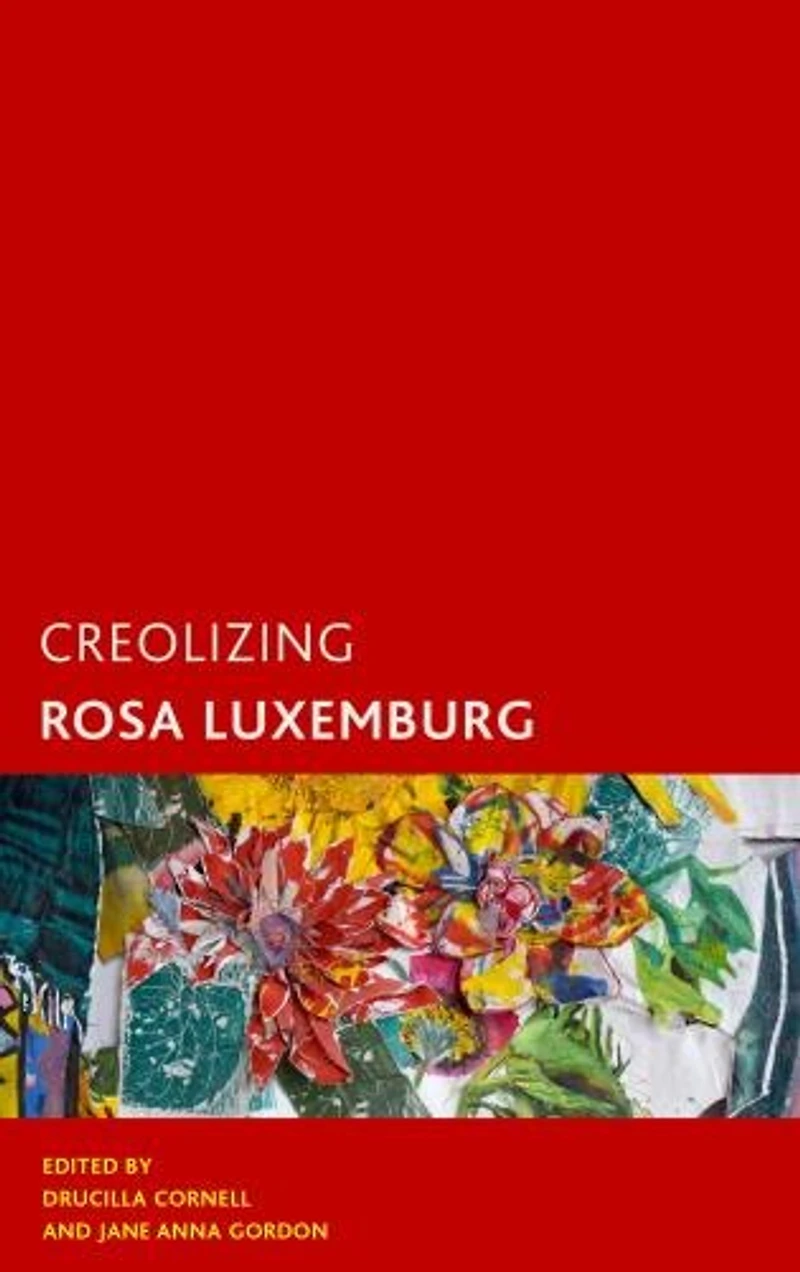
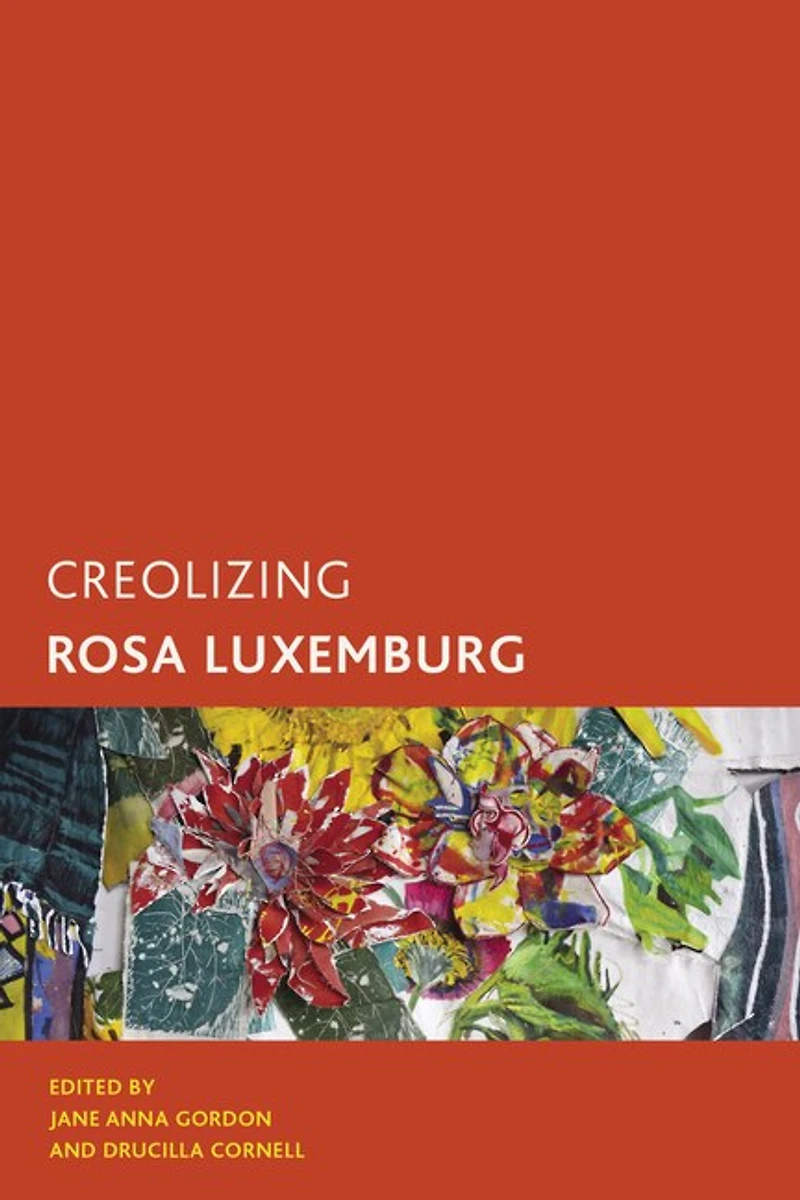
Creolizing Rosa Luxemburg
Current price: $197.50

Creolizing Rosa Luxemburg
Current price: $197.50
Loading Inventory...
Size: Hardcover
*Product information may vary - to confirm product availability, pricing, shipping and return information please contact Indigo
Rosa Luxemburg is unquestionably the most important historical European woman Marxist theorist. Significantly, for the purpose of creolizing the canon, she considered her continent and the globe from an Eastern Europe that was in constant flux and turmoil. From this relatively peripheral location, she was far less parochial than many of her more centrally located interlocutors and peers. Indeed, Luxemburg's work touched on all the burning issues of her time and ours, from analysis of concrete revolutionary struggles, such as those in Poland and Russia, to showing through her analysis of primitive accumulation that anti-capitalist and anti-colonial struggles had to be intertwined, to considerations of state sovereignty, democracy, feminism, and racism. She thereby offered reflections that can usefully be taken up and reworked by writers facing continuous and new challenges to undo relations of exploitation through radical economic and social transformation Luxemburg touches on all aspects of what constitutes revolution in her work; the authors of this volume show us that, by creolizing Luxemburg, we can open up new paths of understanding the complexities of revolution.
Rosa Luxemburg is unquestionably the most important historical European woman Marxist theorist. Significantly, for the purpose of creolizing the canon, she considered her continent and the globe from an Eastern Europe that was in constant flux and turmoil. From this relatively peripheral location, she was far less parochial than many of her more centrally located interlocutors and peers. Indeed, Luxemburg's work touched on all the burning issues of her time and ours, from analysis of concrete revolutionary struggles, such as those in Poland and Russia, to showing through her analysis of primitive accumulation that anti-capitalist and anti-colonial struggles had to be intertwined, to considerations of state sovereignty, democracy, feminism, and racism. She thereby offered reflections that can usefully be taken up and reworked by writers facing continuous and new challenges to undo relations of exploitation through radical economic and social transformation Luxemburg touches on all aspects of what constitutes revolution in her work; the authors of this volume show us that, by creolizing Luxemburg, we can open up new paths of understanding the complexities of revolution.
You May Also Like








More About Indigo at Erin Mills Town Centre
The largest book retailer in Canada also offers toys, music, home décor, gifts and lifestyle products. What's Inside...Books, Magazines, CD’s and DVD’s, Toys and Gifts, Home Accents, Electronics, Baby’s and Children’s Section, Bath and Body, Kitchen and Bedroom, Stationary Located outside in the exterior plaza.
5015 Glen Erin Dr, Mississauga, ON L5M 0R7, Canada
Find Indigo at Erin Mills Town Centre in Mississauga ON
Visit Indigo at Erin Mills Town Centre in Mississauga ON