

GIVE THE PERFECT GIFT
Erin Mills Town Centre Gift Cards are the perfect choice for your gift giving needs.Purchase gift cards at kiosks near the food court or centre court, at Guest Services, or click below to purchase online.PURCHASE HEREHome
Crimes of Reason: On Mind, Nature, and the Paranormal
Indigo
Loading Inventory...
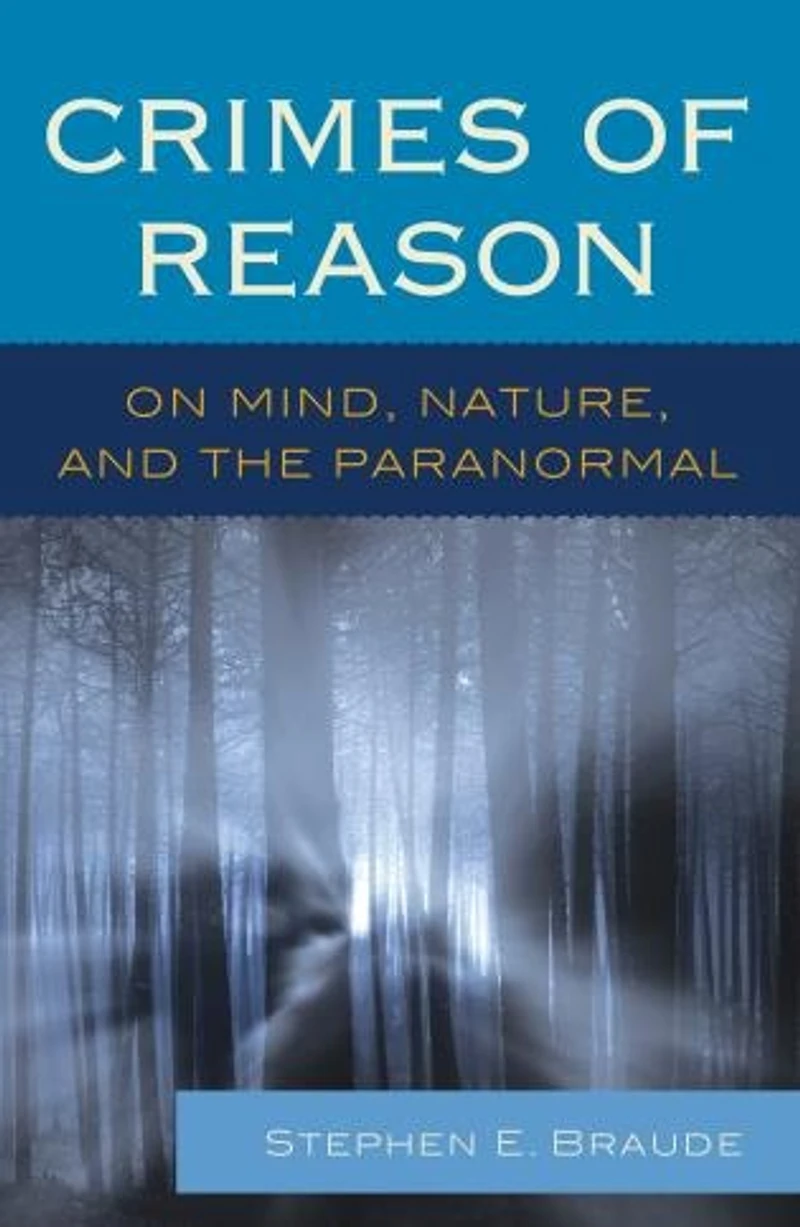
Crimes of Reason: On Mind, Nature, and the Paranormal
Current price: $160.95

Crimes of Reason: On Mind, Nature, and the Paranormal
Current price: $160.95
Loading Inventory...
Size: Hardcover
*Product information may vary - to confirm product availability, pricing, shipping and return information please contact Indigo
Crimes of Reason brings together expanded and updated versions of some of Braude's best previously published essays, along with new essays written specifically for this book. Although the essays deal with a variety of topics, they all hover around a set of interrelated general themes. These are: the poverty of mechanistic theories in the behavioral and life sciences, the nature of psychological explanation and (at least within the halls of the Academy) the unappreciated strategies required to understand behavior, the nature of dissociation, and the nature and limits of human abilities. Braude's targets include memory trace theory, inner-cause theories of human behavior generally, Sheldrake's theory of morphogenetic fields, widespread but simplistic views on the nature of human abilities, multiple personality and moral responsibility, the efficacy of prayer, and the shoddy tactics often used to discredit research on dissociation and parapsychology. Although the topics are often abstract and the issues deep, their treatment in this book is accessible, and the tone of the book is both light and occasionally combative.
Crimes of Reason brings together expanded and updated versions of some of Braude's best previously published essays, along with new essays written specifically for this book. Although the essays deal with a variety of topics, they all hover around a set of interrelated general themes. These are: the poverty of mechanistic theories in the behavioral and life sciences, the nature of psychological explanation and (at least within the halls of the Academy) the unappreciated strategies required to understand behavior, the nature of dissociation, and the nature and limits of human abilities. Braude's targets include memory trace theory, inner-cause theories of human behavior generally, Sheldrake's theory of morphogenetic fields, widespread but simplistic views on the nature of human abilities, multiple personality and moral responsibility, the efficacy of prayer, and the shoddy tactics often used to discredit research on dissociation and parapsychology. Although the topics are often abstract and the issues deep, their treatment in this book is accessible, and the tone of the book is both light and occasionally combative.
You May Also Like











More About Indigo at Erin Mills Town Centre
The largest book retailer in Canada also offers toys, music, home décor, gifts and lifestyle products. What's Inside...Books, Magazines, CD’s and DVD’s, Toys and Gifts, Home Accents, Electronics, Baby’s and Children’s Section, Bath and Body, Kitchen and Bedroom, Stationary Located outside in the exterior plaza.
5015 Glen Erin Dr, Mississauga, ON L5M 0R7, Canada
Find Indigo at Erin Mills Town Centre in Mississauga ON
Visit Indigo at Erin Mills Town Centre in Mississauga ON