

GIVE THE PERFECT GIFT
Erin Mills Town Centre Gift Cards are the perfect choice for your gift giving needs.Purchase gift cards at kiosks near the food court or centre court, at Guest Services, or click below to purchase online.PURCHASE HEREHome
Criminology of Corruption: Theoretical Approaches
Indigo
Loading Inventory...
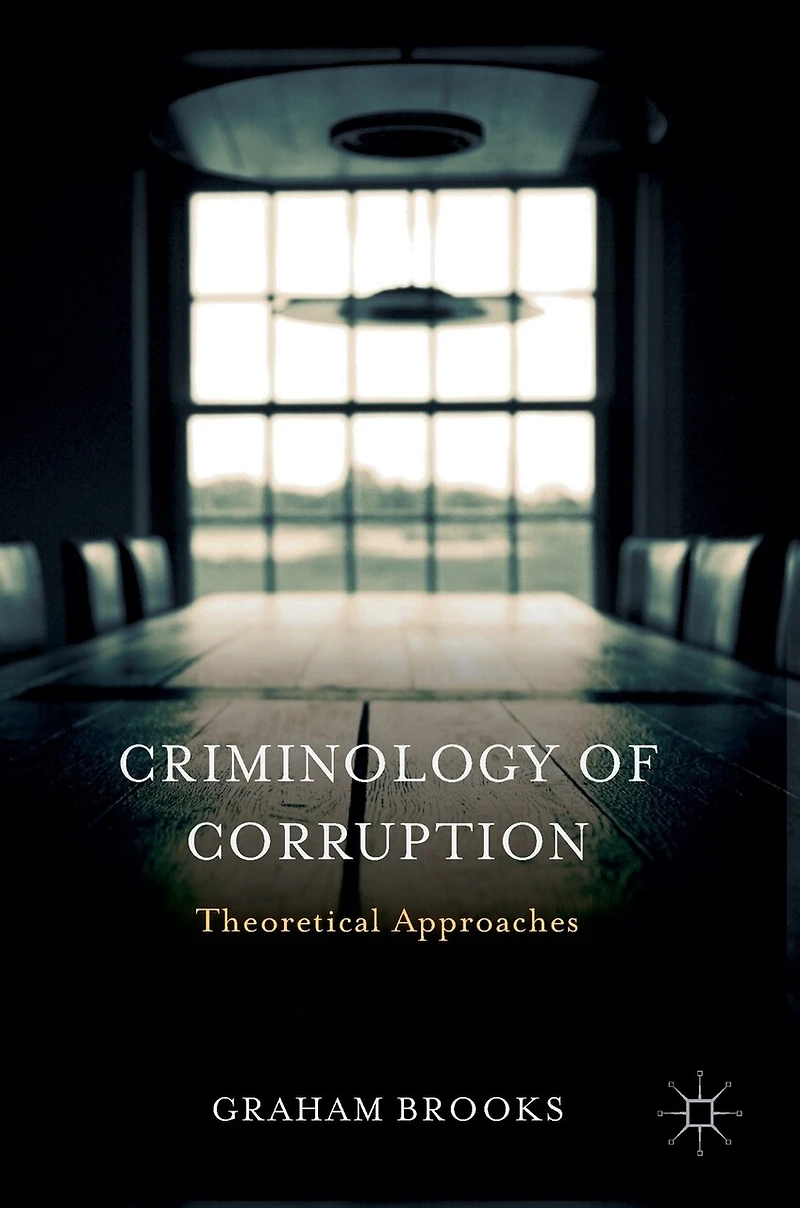
Criminology of Corruption: Theoretical Approaches
Current price: $175.50

Criminology of Corruption: Theoretical Approaches
Current price: $175.50
Loading Inventory...
Size: Hardcover
*Product information may vary - to confirm product availability, pricing, shipping and return information please contact Indigo
This book uniquely applies theoretical approaches from criminology and sociology to the problem of corruption. Theoretical thoughts have future consequences on how we treat, punish and deter and corruption policy illustrates that theoretical approaches affect what laws and techniques are implemented. Theoretical approaches, however, are not developed in a social and political vacuum; they are a part of the changing social world and understanding why corruption occurs is a preface to developing strategies to control and prevent it.
Criminology of Corruption analyses corruption on an international scale and uses numerous case studies to help explain why individuals, organisations and states are corrupt. The book charts the development of the most relevant theoretical approaches and uses them to help explain acts of corruption and prevention. It will be of great interest to scholars researching these issues across criminology, sociology and other disciplines.
This book uniquely applies theoretical approaches from criminology and sociology to the problem of corruption. Theoretical thoughts have future consequences on how we treat, punish and deter and corruption policy illustrates that theoretical approaches affect what laws and techniques are implemented. Theoretical approaches, however, are not developed in a social and political vacuum; they are a part of the changing social world and understanding why corruption occurs is a preface to developing strategies to control and prevent it.
Criminology of Corruption analyses corruption on an international scale and uses numerous case studies to help explain why individuals, organisations and states are corrupt. The book charts the development of the most relevant theoretical approaches and uses them to help explain acts of corruption and prevention. It will be of great interest to scholars researching these issues across criminology, sociology and other disciplines.
You May Also Like










More About Indigo at Erin Mills Town Centre
The largest book retailer in Canada also offers toys, music, home décor, gifts and lifestyle products. What's Inside...Books, Magazines, CD’s and DVD’s, Toys and Gifts, Home Accents, Electronics, Baby’s and Children’s Section, Bath and Body, Kitchen and Bedroom, Stationary Located outside in the exterior plaza.
5015 Glen Erin Dr, Mississauga, ON L5M 0R7, Canada
Find Indigo at Erin Mills Town Centre in Mississauga ON
Visit Indigo at Erin Mills Town Centre in Mississauga ON