

GIVE THE PERFECT GIFT
Erin Mills Town Centre Gift Cards are the perfect choice for your gift giving needs.Purchase gift cards at kiosks near the food court or centre court, at Guest Services, or click below to purchase online.PURCHASE HEREHome
Crisis and Continuity at the Abbasid Court: Formal and Informal Politics in the Caliphate of al-Muqtadir (295-320/908-32)
Indigo
Loading Inventory...
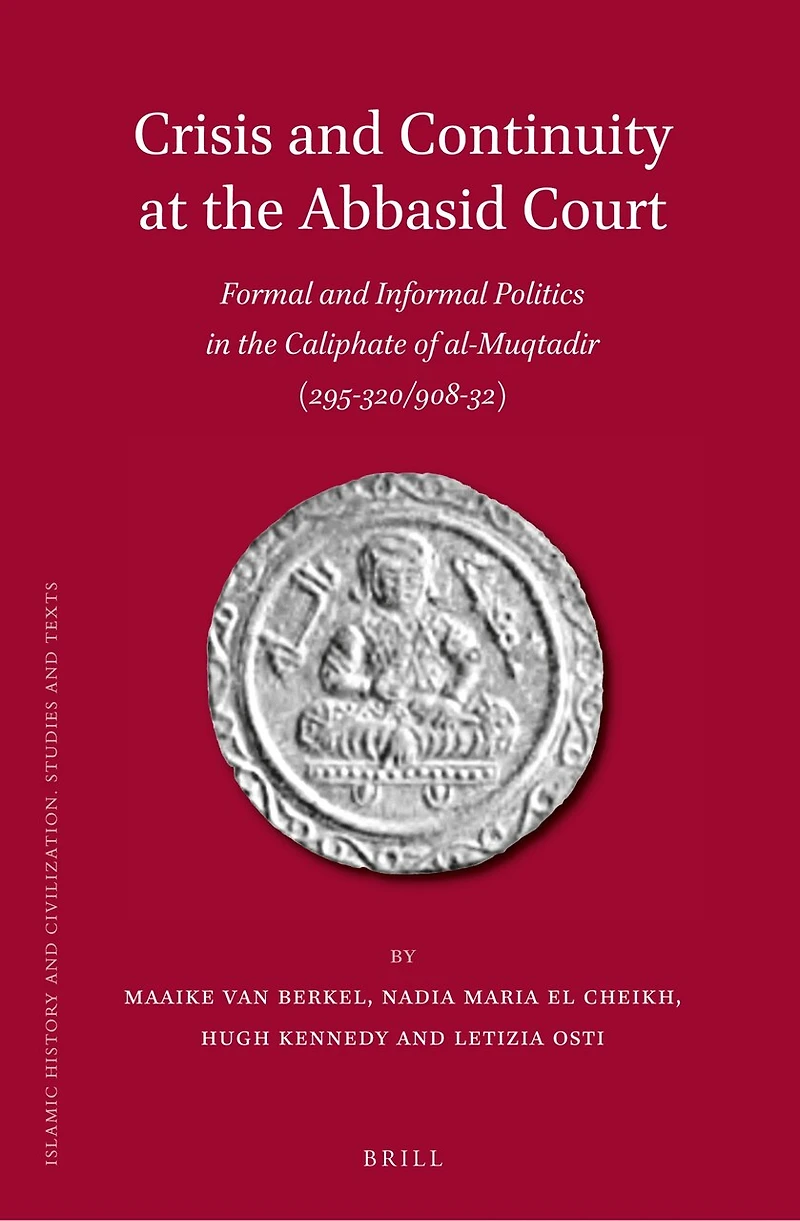
Crisis and Continuity at the Abbasid Court: Formal and Informal Politics in the Caliphate of al-Muqtadir (295-320/908-32)
Current price: $224.99

Crisis and Continuity at the Abbasid Court: Formal and Informal Politics in the Caliphate of al-Muqtadir (295-320/908-32)
Current price: $224.99
Loading Inventory...
Size: Hardcover
*Product information may vary - to confirm product availability, pricing, shipping and return information please contact Indigo
The reign of al-Muqtadir (295-320/908-32) is a crucial and controversial epoch in the history of the Abbasid empire. Al-Muqtadir’s regime has traditionally been depicted as one of decline, when the political power of the caliphate and the lustre of its capital began to crumble. This book not only offers a substantial investigation of the idea and reality of decline, but also provides new interpretations of the inner workings of the court and the empire. The authors, four specialists of Abbasid history, explore the formal and informal power relationships that shaped politics at the court, involving bureaucrats, military, harem, courtiers and of course al-Muqtadir himself. A study of the topography of Baghdad completes this vivid picture of the court and its capital.
The reign of al-Muqtadir (295-320/908-32) is a crucial and controversial epoch in the history of the Abbasid empire. Al-Muqtadir’s regime has traditionally been depicted as one of decline, when the political power of the caliphate and the lustre of its capital began to crumble. This book not only offers a substantial investigation of the idea and reality of decline, but also provides new interpretations of the inner workings of the court and the empire. The authors, four specialists of Abbasid history, explore the formal and informal power relationships that shaped politics at the court, involving bureaucrats, military, harem, courtiers and of course al-Muqtadir himself. A study of the topography of Baghdad completes this vivid picture of the court and its capital.
You May Also Like











More About Indigo at Erin Mills Town Centre
The largest book retailer in Canada also offers toys, music, home décor, gifts and lifestyle products. What's Inside...Books, Magazines, CD’s and DVD’s, Toys and Gifts, Home Accents, Electronics, Baby’s and Children’s Section, Bath and Body, Kitchen and Bedroom, Stationary Located outside in the exterior plaza.
5015 Glen Erin Dr, Mississauga, ON L5M 0R7, Canada
Find Indigo at Erin Mills Town Centre in Mississauga ON
Visit Indigo at Erin Mills Town Centre in Mississauga ON