

GIVE THE PERFECT GIFT
Erin Mills Town Centre Gift Cards are the perfect choice for your gift giving needs.Purchase gift cards at kiosks near the food court or centre court, at Guest Services, or click below to purchase online.PURCHASE HEREHome
Critical Issues Selecting Conventional and Mechanized Tunnelling Methods
Indigo
Loading Inventory...
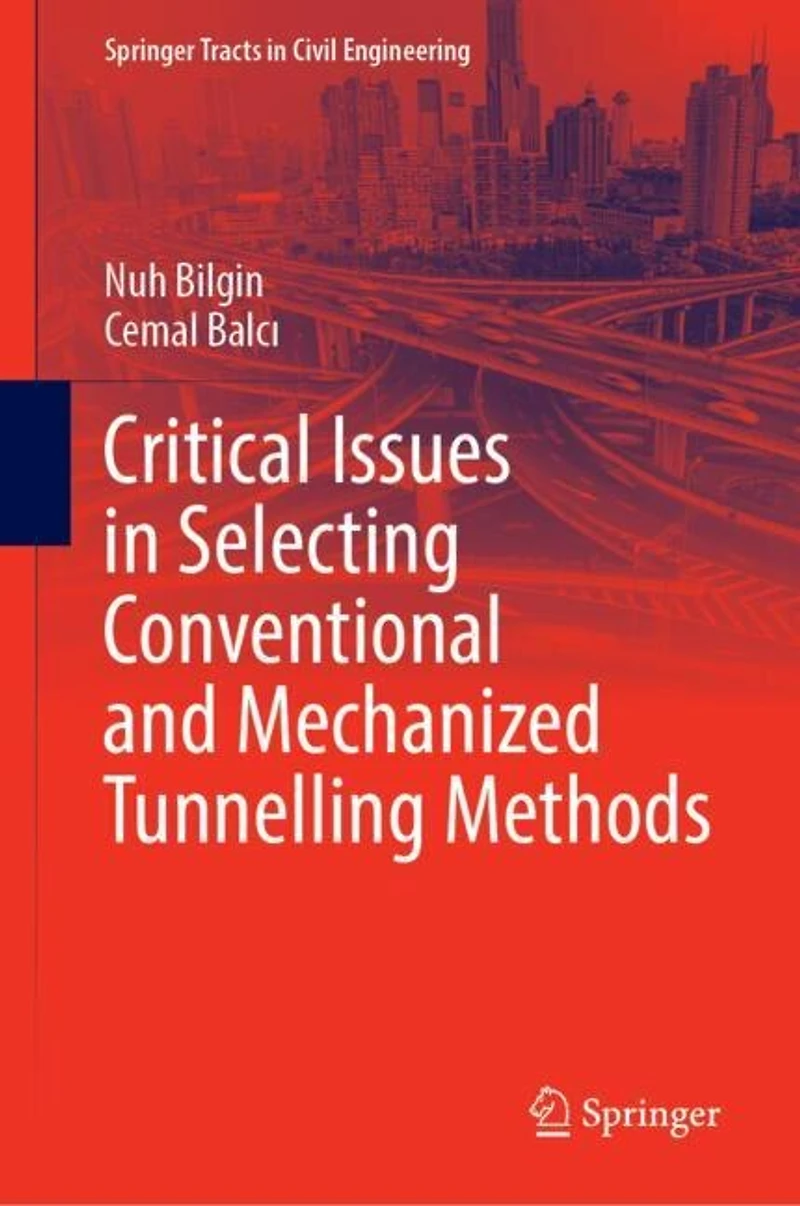
Critical Issues Selecting Conventional and Mechanized Tunnelling Methods
Current price: $145.95

Critical Issues Selecting Conventional and Mechanized Tunnelling Methods
Current price: $145.95
Loading Inventory...
Size: Hardcover
*Product information may vary - to confirm product availability, pricing, shipping and return information please contact Indigo
This book discusses the critical issues in selecting conventional and mechanized tunneling methods and lessons learned from the past. It covers the following main topics: geological and geotechnical parameters affecting tunneling methods, summarizing conventional tunneling and mechanized tunneling methods, the factors affecting the choice of tunneling methods such as the cost of the initial investment, the length of the tunnel, project scheduling, time for mobilization, emerging new technologies. Some examples of changing the tunneling method from conventional to mechanized tunneling or vice versa during the same ongoing project and hybrid tunneling methods in the same project are also given. The last chapter resumes the innovations made for the tunneling industry, summarizing advancements in safety, non-circular TBMs, robotics, new instrumentation, new materials and methodologies to decrease carbon footprint. This book is aimed at graduate students, professionals and researchers in tunneling, civil and mining engineering and geology.
This book discusses the critical issues in selecting conventional and mechanized tunneling methods and lessons learned from the past. It covers the following main topics: geological and geotechnical parameters affecting tunneling methods, summarizing conventional tunneling and mechanized tunneling methods, the factors affecting the choice of tunneling methods such as the cost of the initial investment, the length of the tunnel, project scheduling, time for mobilization, emerging new technologies. Some examples of changing the tunneling method from conventional to mechanized tunneling or vice versa during the same ongoing project and hybrid tunneling methods in the same project are also given. The last chapter resumes the innovations made for the tunneling industry, summarizing advancements in safety, non-circular TBMs, robotics, new instrumentation, new materials and methodologies to decrease carbon footprint. This book is aimed at graduate students, professionals and researchers in tunneling, civil and mining engineering and geology.
You May Also Like










More About Indigo at Erin Mills Town Centre
The largest book retailer in Canada also offers toys, music, home décor, gifts and lifestyle products. What's Inside...Books, Magazines, CD’s and DVD’s, Toys and Gifts, Home Accents, Electronics, Baby’s and Children’s Section, Bath and Body, Kitchen and Bedroom, Stationary Located outside in the exterior plaza.
5015 Glen Erin Dr, Mississauga, ON L5M 0R7, Canada
Find Indigo at Erin Mills Town Centre in Mississauga ON
Visit Indigo at Erin Mills Town Centre in Mississauga ON