

GIVE THE PERFECT GIFT
Erin Mills Town Centre Gift Cards are the perfect choice for your gift giving needs.Purchase gift cards at kiosks near the food court or centre court, at Guest Services, or click below to purchase online.PURCHASE HEREHome
Critical Perspectives on PISA as a Means of Global Governance: Risks, Limitations, and Humanistic Alternatives
Indigo
Loading Inventory...
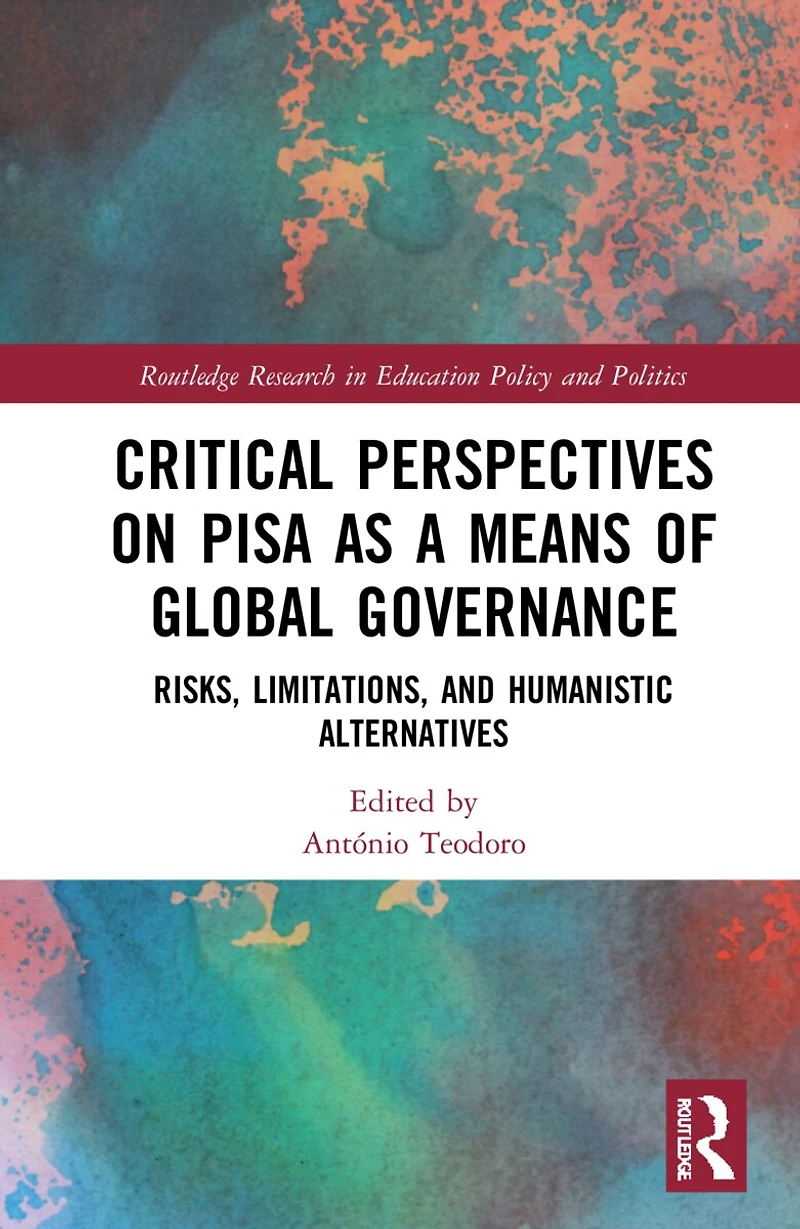
Critical Perspectives on PISA as a Means of Global Governance: Risks, Limitations, and Humanistic Alternatives
Current price: $266.50

Critical Perspectives on PISA as a Means of Global Governance: Risks, Limitations, and Humanistic Alternatives
Current price: $266.50
Loading Inventory...
Size: Hardcover
*Product information may vary - to confirm product availability, pricing, shipping and return information please contact Indigo
This volume offers a critical examination of the Programme for International Students Assessment (PISA), focusing on its origins and implementation, relationship to other international large-scale assessments, and its impacts on educational policy and reform at national and cross-national levels. Using empirical data gathered from a research project carried out by the CeiED at Lusofona University, Lisbon, the text highlights connections between PISA and emergent issues including the international circulation of big science, expertise and policy, and identifies its conceptual and methodological limits as a global governance project. The volume ultimately provides a novel framework for understanding how OECD priorities are manifested through a regulatory instrument based on Human and Knowledge Capital Theory, and so makes a powerful case to search for new humanistic approaches. This text will benefit researchers, academics and educators with an interest in education policy and politics, international and comparative education, and the sociology of education more broadly. Those interested in the history of education will also benefit from this volume.
This volume offers a critical examination of the Programme for International Students Assessment (PISA), focusing on its origins and implementation, relationship to other international large-scale assessments, and its impacts on educational policy and reform at national and cross-national levels. Using empirical data gathered from a research project carried out by the CeiED at Lusofona University, Lisbon, the text highlights connections between PISA and emergent issues including the international circulation of big science, expertise and policy, and identifies its conceptual and methodological limits as a global governance project. The volume ultimately provides a novel framework for understanding how OECD priorities are manifested through a regulatory instrument based on Human and Knowledge Capital Theory, and so makes a powerful case to search for new humanistic approaches. This text will benefit researchers, academics and educators with an interest in education policy and politics, international and comparative education, and the sociology of education more broadly. Those interested in the history of education will also benefit from this volume.
You May Also Like







More About Indigo at Erin Mills Town Centre
The largest book retailer in Canada also offers toys, music, home décor, gifts and lifestyle products. What's Inside...Books, Magazines, CD’s and DVD’s, Toys and Gifts, Home Accents, Electronics, Baby’s and Children’s Section, Bath and Body, Kitchen and Bedroom, Stationary Located outside in the exterior plaza.
5015 Glen Erin Dr, Mississauga, ON L5M 0R7, Canada
Find Indigo at Erin Mills Town Centre in Mississauga ON
Visit Indigo at Erin Mills Town Centre in Mississauga ON