

GIVE THE PERFECT GIFT
Erin Mills Town Centre Gift Cards are the perfect choice for your gift giving needs.Purchase gift cards at kiosks near the food court or centre court, at Guest Services, or click below to purchase online.PURCHASE HEREHome
Critical Theory Between Klein and Lacan: A Dialogue
Indigo
Loading Inventory...
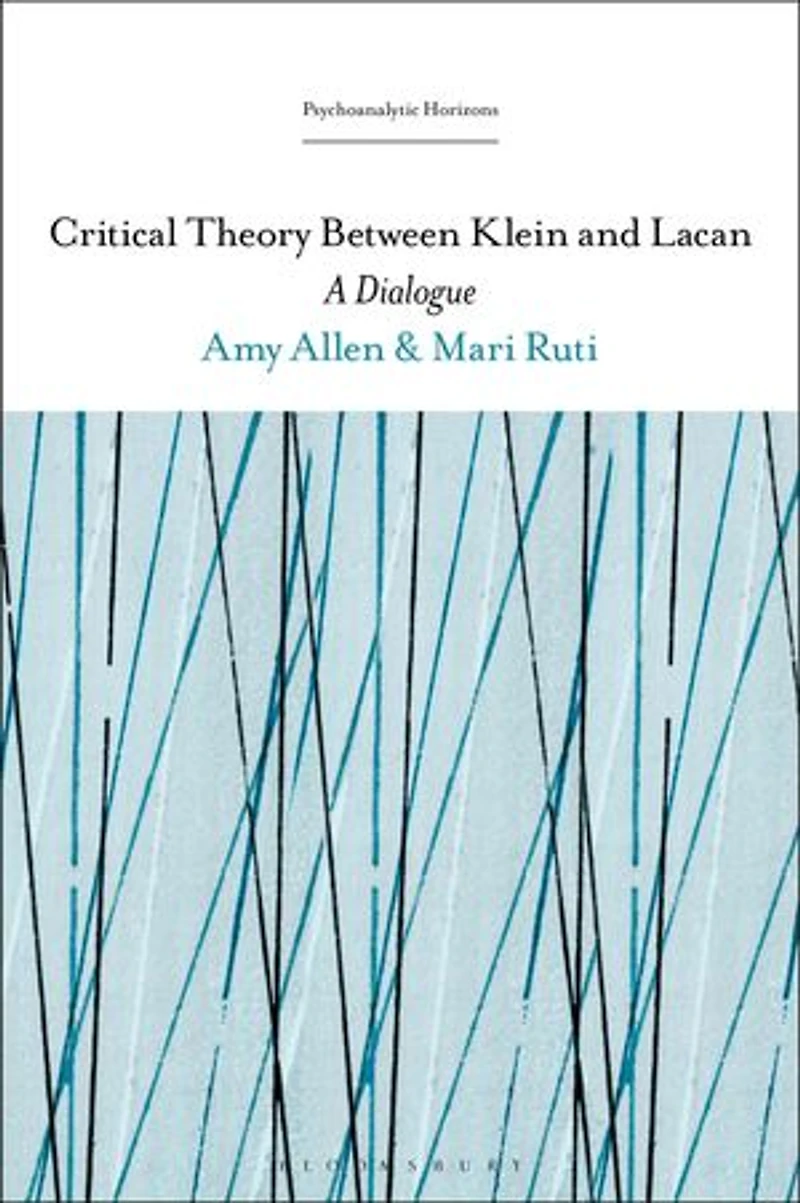
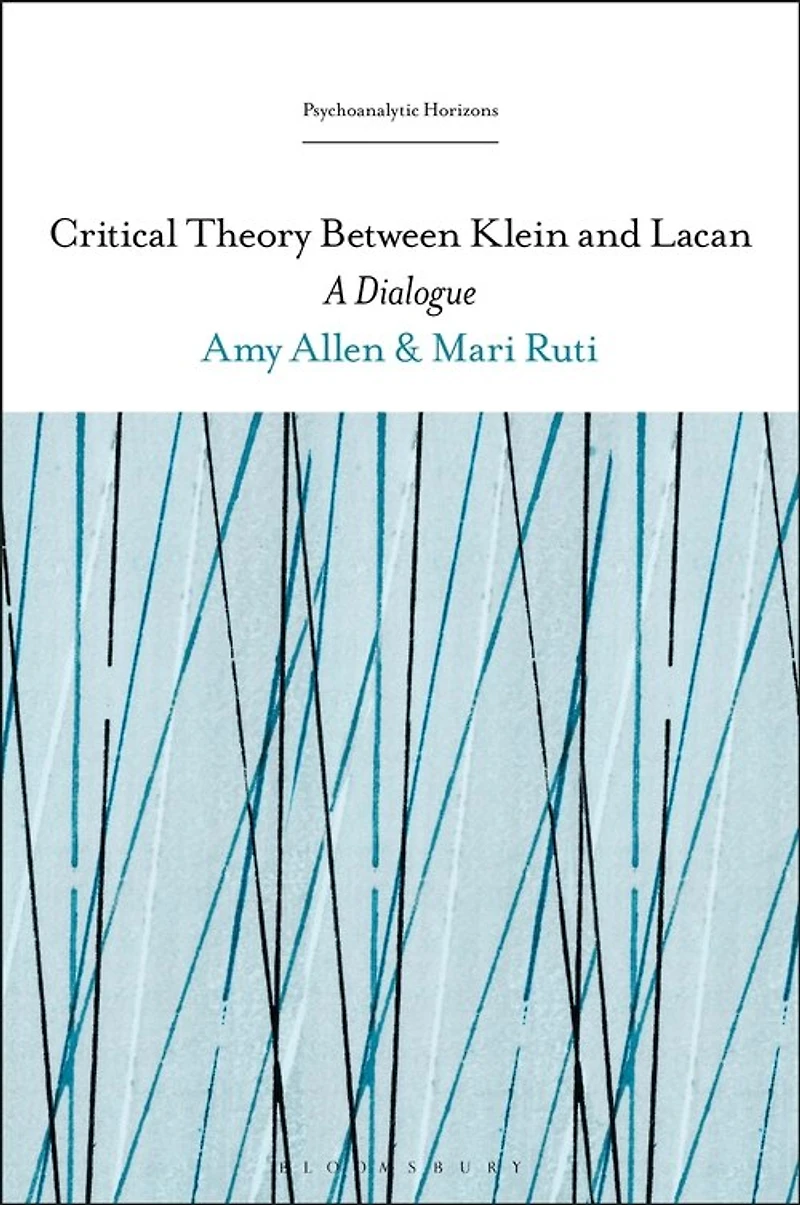
Critical Theory Between Klein and Lacan: A Dialogue
Current price: $47.49
Original price: $59.35

Critical Theory Between Klein and Lacan: A Dialogue
Current price: $47.49
Original price: $59.35
Loading Inventory...
Size: Kobo eBook
*Product information may vary - to confirm product availability, pricing, shipping and return information please contact Indigo
Critical Theory Between Klein and Lacan explores convergences and divergences in the psychoanalytic theories of Melanie Klein and Jacques Lacan, with a special focus on the implications of their work for critical theory, broadly construed. The book is co-authored in the form of a dialogue between Amy Allen, a prominent representative of Frankfurt School critical theory with expertise on Klein, and Mari Ruti, a leading Lacanian critical theorist. Klein and Lacan are among the two most important and influential psychoanalytic theorists after Freud. Their work has profound implications for how we understand subjectivity, intersubjectivity, autonomy, agency, desire, affect, trauma, history, and the potential for individual and social change. Allen and Ruti offer distinctive interpretations of Klein and Lacan that not only bring out their complexities but also highlight productive points of convergence where most psychoanalytic and critical theorists see irreconcilable differences. The book is organized around key themes that cut across and through the work of Klein and Lacan, culminating in an assessment of the implications of their theories for thinking about politics.
Critical Theory Between Klein and Lacan explores convergences and divergences in the psychoanalytic theories of Melanie Klein and Jacques Lacan, with a special focus on the implications of their work for critical theory, broadly construed. The book is co-authored in the form of a dialogue between Amy Allen, a prominent representative of Frankfurt School critical theory with expertise on Klein, and Mari Ruti, a leading Lacanian critical theorist. Klein and Lacan are among the two most important and influential psychoanalytic theorists after Freud. Their work has profound implications for how we understand subjectivity, intersubjectivity, autonomy, agency, desire, affect, trauma, history, and the potential for individual and social change. Allen and Ruti offer distinctive interpretations of Klein and Lacan that not only bring out their complexities but also highlight productive points of convergence where most psychoanalytic and critical theorists see irreconcilable differences. The book is organized around key themes that cut across and through the work of Klein and Lacan, culminating in an assessment of the implications of their theories for thinking about politics.
You May Also Like








More About Indigo at Erin Mills Town Centre
The largest book retailer in Canada also offers toys, music, home décor, gifts and lifestyle products. What's Inside...Books, Magazines, CD’s and DVD’s, Toys and Gifts, Home Accents, Electronics, Baby’s and Children’s Section, Bath and Body, Kitchen and Bedroom, Stationary Located outside in the exterior plaza.
5015 Glen Erin Dr, Mississauga, ON L5M 0R7, Canada
Find Indigo at Erin Mills Town Centre in Mississauga ON
Visit Indigo at Erin Mills Town Centre in Mississauga ON