

GIVE THE PERFECT GIFT
Erin Mills Town Centre Gift Cards are the perfect choice for your gift giving needs.Purchase gift cards at kiosks near the food court or centre court, at Guest Services, or click below to purchase online.PURCHASE HEREHome
Crucible Of Faith: The Ancient Revolution That Made Our Modern Religious World
Indigo
Loading Inventory...
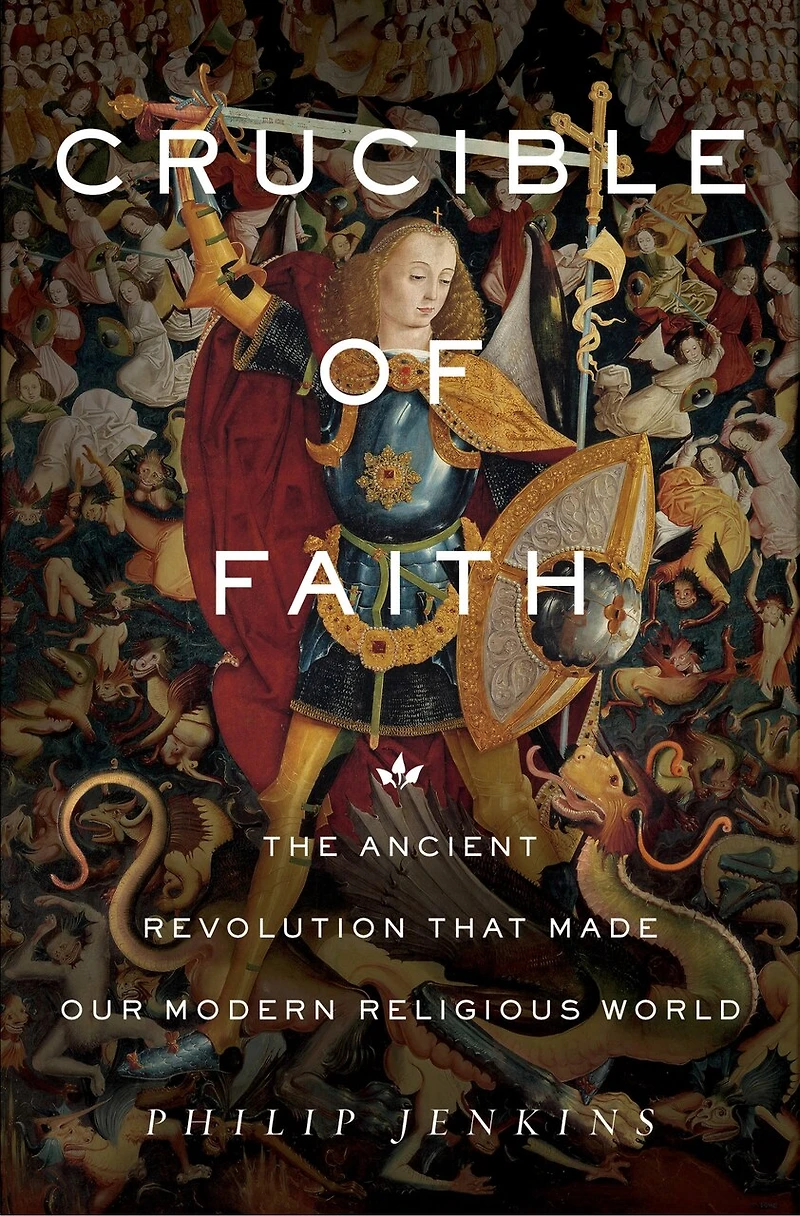
Crucible Of Faith: The Ancient Revolution That Made Our Modern Religious World
Current price: $39.00

Crucible Of Faith: The Ancient Revolution That Made Our Modern Religious World
Current price: $39.00
Loading Inventory...
Size: Hardcover
*Product information may vary - to confirm product availability, pricing, shipping and return information please contact Indigo
One of America's foremost scholars of religion examines the tumultuous era that gave birth to the modern Judeo-Christian tradition
In The Crucible of Faith , Philip Jenkins argues that much of the Judeo-Christian tradition we know today was born between 250-50 BCE, during a turbulent "Crucible Era." It was during these years that Judaism grappled with Hellenizing forces and produced new religious ideas that reflected and responded to their changing world. By the time of the fall of the Temple in 70 CE, concepts that might once have seemed bizarre became normalized-and thus passed on to Christianity and later Islam. Drawing widely on contemporary sources from outside the canonical Old and New Testaments, Jenkins reveals an era of political violence and social upheaval that ultimately gave birth to entirely new ideas about religion, the afterlife, Creation and the Fall, and the nature of God and Satan.
One of America's foremost scholars of religion examines the tumultuous era that gave birth to the modern Judeo-Christian tradition
In The Crucible of Faith , Philip Jenkins argues that much of the Judeo-Christian tradition we know today was born between 250-50 BCE, during a turbulent "Crucible Era." It was during these years that Judaism grappled with Hellenizing forces and produced new religious ideas that reflected and responded to their changing world. By the time of the fall of the Temple in 70 CE, concepts that might once have seemed bizarre became normalized-and thus passed on to Christianity and later Islam. Drawing widely on contemporary sources from outside the canonical Old and New Testaments, Jenkins reveals an era of political violence and social upheaval that ultimately gave birth to entirely new ideas about religion, the afterlife, Creation and the Fall, and the nature of God and Satan.
You May Also Like







More About Indigo at Erin Mills Town Centre
The largest book retailer in Canada also offers toys, music, home décor, gifts and lifestyle products. What's Inside...Books, Magazines, CD’s and DVD’s, Toys and Gifts, Home Accents, Electronics, Baby’s and Children’s Section, Bath and Body, Kitchen and Bedroom, Stationary Located outside in the exterior plaza.
5015 Glen Erin Dr, Mississauga, ON L5M 0R7, Canada
Find Indigo at Erin Mills Town Centre in Mississauga ON
Visit Indigo at Erin Mills Town Centre in Mississauga ON