

GIVE THE PERFECT GIFT
Erin Mills Town Centre Gift Cards are the perfect choice for your gift giving needs.Purchase gift cards at kiosks near the food court or centre court, at Guest Services, or click below to purchase online.PURCHASE HEREHome
Cuba's Cosmopolitan Enclaves: Imperialism and Internationalism Eastern Sugar Towns
Indigo
Loading Inventory...
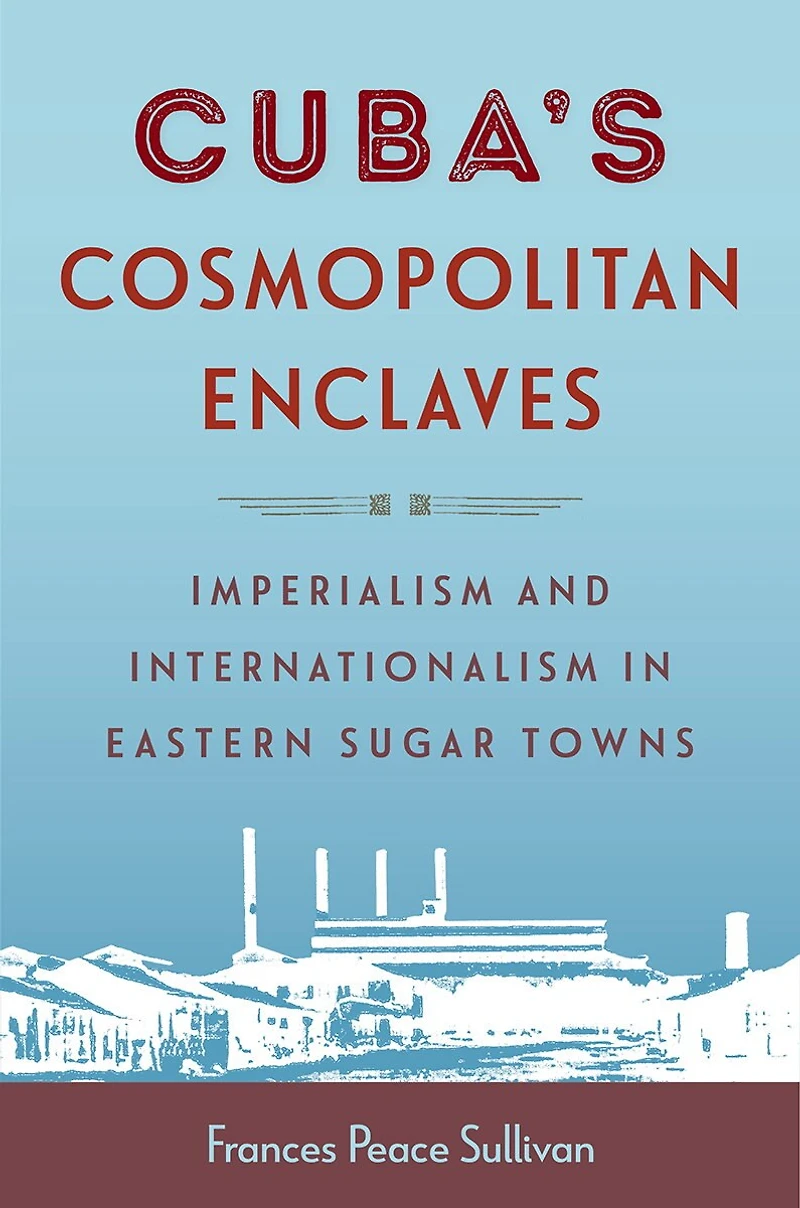
Cuba's Cosmopolitan Enclaves: Imperialism and Internationalism Eastern Sugar Towns
Current price: $156.00

Cuba's Cosmopolitan Enclaves: Imperialism and Internationalism Eastern Sugar Towns
Current price: $156.00
Loading Inventory...
Size: Hardcover
*Product information may vary - to confirm product availability, pricing, shipping and return information please contact Indigo
How northeastern Cuba became a hub of international solidarity and transnational movements in the 1920s and 1930s This book explores how a region in Cuba that was widely known as a site of labor subjugation became a hub of international solidarity in the 1920s and 1930s. In the early twentieth century, United States agricultural companies like the United Fruit Company established sugar export operations in Cuba’s Oriente Province, creating a zone of economic imperialism. These early multinational corporations recruited Afro-Caribbean laborers from surrounding islands, aiming to create closed, self-sufficient plantation complexes. However, as Frances Peace Sullivan shows in Cuba’s Cosmopolitan Enclaves , the influx of foreign capital led to the development of diverse, vibrant communities in these company towns. Drawing on archival sources in Cuba, the US, Russia, and the UK, Sullivan demonstrates how immigrant workers joined local Cubans in movements for radical transnational solidarity. In the interwar years, northeastern Cuba became a center of Garveyite Pan-Africanism, global communism, and antifascist support for Republican Spain. In 1933, the region attracted the world’s attention when workers seized sugar mills in a revolutionary strike. Placing northeastern Cuba at the heart of the history of interwar internationalism, Sullivan shows how Oriente emerged as a focal point for visions of resistance. Cuba’s Cosmopolitan Enclaves reveals how workers seized pathways created by imperialist companies and used them to advance their own goals. In this focused study, Sullivan offers a detailed portrait of how ordinary people became leaders in transnational radicalism.
How northeastern Cuba became a hub of international solidarity and transnational movements in the 1920s and 1930s This book explores how a region in Cuba that was widely known as a site of labor subjugation became a hub of international solidarity in the 1920s and 1930s. In the early twentieth century, United States agricultural companies like the United Fruit Company established sugar export operations in Cuba’s Oriente Province, creating a zone of economic imperialism. These early multinational corporations recruited Afro-Caribbean laborers from surrounding islands, aiming to create closed, self-sufficient plantation complexes. However, as Frances Peace Sullivan shows in Cuba’s Cosmopolitan Enclaves , the influx of foreign capital led to the development of diverse, vibrant communities in these company towns. Drawing on archival sources in Cuba, the US, Russia, and the UK, Sullivan demonstrates how immigrant workers joined local Cubans in movements for radical transnational solidarity. In the interwar years, northeastern Cuba became a center of Garveyite Pan-Africanism, global communism, and antifascist support for Republican Spain. In 1933, the region attracted the world’s attention when workers seized sugar mills in a revolutionary strike. Placing northeastern Cuba at the heart of the history of interwar internationalism, Sullivan shows how Oriente emerged as a focal point for visions of resistance. Cuba’s Cosmopolitan Enclaves reveals how workers seized pathways created by imperialist companies and used them to advance their own goals. In this focused study, Sullivan offers a detailed portrait of how ordinary people became leaders in transnational radicalism.
You May Also Like










More About Indigo at Erin Mills Town Centre
The largest book retailer in Canada also offers toys, music, home décor, gifts and lifestyle products. What's Inside...Books, Magazines, CD’s and DVD’s, Toys and Gifts, Home Accents, Electronics, Baby’s and Children’s Section, Bath and Body, Kitchen and Bedroom, Stationary Located outside in the exterior plaza.
5015 Glen Erin Dr, Mississauga, ON L5M 0R7, Canada
Find Indigo at Erin Mills Town Centre in Mississauga ON
Visit Indigo at Erin Mills Town Centre in Mississauga ON