

GIVE THE PERFECT GIFT
Erin Mills Town Centre Gift Cards are the perfect choice for your gift giving needs.Purchase gift cards at kiosks near the food court or centre court, at Guest Services, or click below to purchase online.PURCHASE HEREHome
Cubism and Abstract Art
Indigo
Loading Inventory...
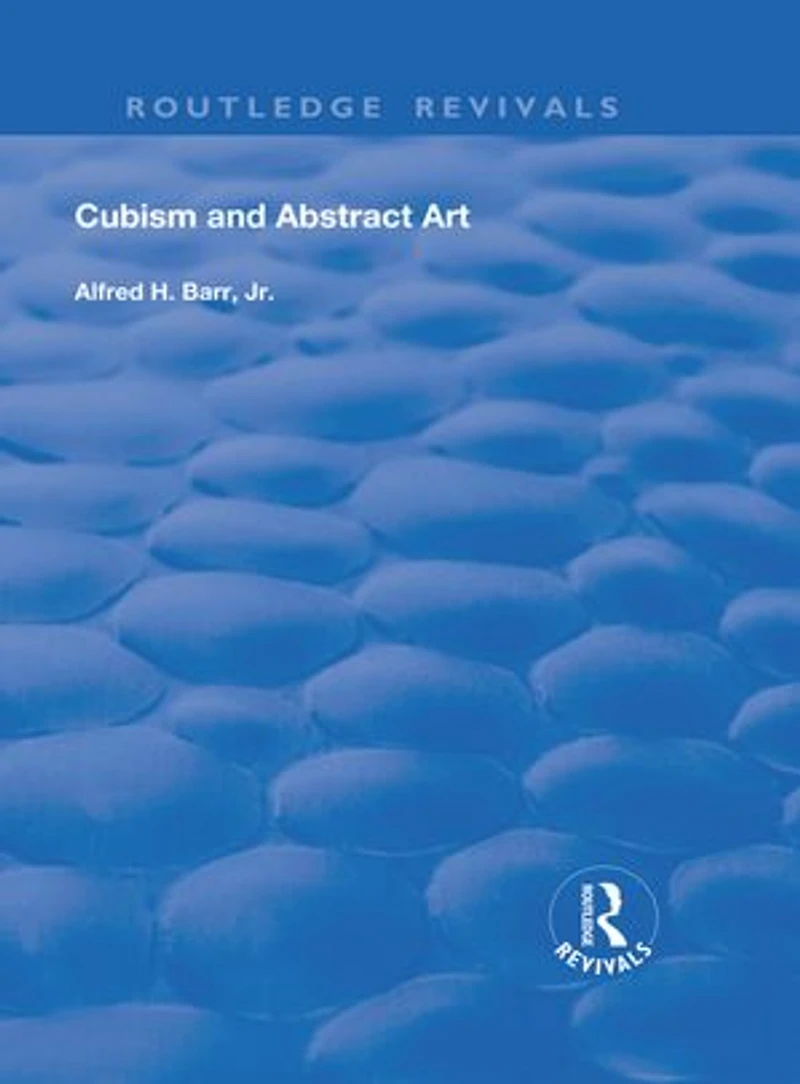
Cubism and Abstract Art
Current price: $65.13

Cubism and Abstract Art
Current price: $65.13
Loading Inventory...
Size: Kobo eBook
*Product information may vary - to confirm product availability, pricing, shipping and return information please contact Indigo
Originally published in 1936, in this classic account of the development of abstract art Alfred Barr analyses the many diverse abstract movements which emerged with bewildering rapidity in the early years of the twentieth century, and which had an impact on every major form of art.
Barr traces the history of nonrepresentational art from its antecedents in late nineteenth-century painting in France – Seurat and Neo-Impressionism, Gauguin and Synthetism, and Cézanne – through abstract tendencies in Dada and Surrealism. He distinguishes two main trends in abstract art: the geometrical, structural current as it developed in Cubism and later in Constructivism and Mondrian, and the intuitional, decorative current running from Matisse and Fauvism through Kandinskt and, later, Surrealism. He shows how individual movements influenced one another, and how many artists experimented with more than one style. Barr also discusses the involvement of a number of abstract movements in architecture and the practical arts – the Bauhaus in Germany, de Stijl in Holland, Purism in France, and Suprematism and Constructivism in Russia.
Originally published in 1936, in this classic account of the development of abstract art Alfred Barr analyses the many diverse abstract movements which emerged with bewildering rapidity in the early years of the twentieth century, and which had an impact on every major form of art.
Barr traces the history of nonrepresentational art from its antecedents in late nineteenth-century painting in France – Seurat and Neo-Impressionism, Gauguin and Synthetism, and Cézanne – through abstract tendencies in Dada and Surrealism. He distinguishes two main trends in abstract art: the geometrical, structural current as it developed in Cubism and later in Constructivism and Mondrian, and the intuitional, decorative current running from Matisse and Fauvism through Kandinskt and, later, Surrealism. He shows how individual movements influenced one another, and how many artists experimented with more than one style. Barr also discusses the involvement of a number of abstract movements in architecture and the practical arts – the Bauhaus in Germany, de Stijl in Holland, Purism in France, and Suprematism and Constructivism in Russia.
You May Also Like








More About Indigo at Erin Mills Town Centre
The largest book retailer in Canada also offers toys, music, home décor, gifts and lifestyle products. What's Inside...Books, Magazines, CD’s and DVD’s, Toys and Gifts, Home Accents, Electronics, Baby’s and Children’s Section, Bath and Body, Kitchen and Bedroom, Stationary Located outside in the exterior plaza.
5015 Glen Erin Dr, Mississauga, ON L5M 0R7, Canada
Find Indigo at Erin Mills Town Centre in Mississauga ON
Visit Indigo at Erin Mills Town Centre in Mississauga ON