

GIVE THE PERFECT GIFT
Erin Mills Town Centre Gift Cards are the perfect choice for your gift giving needs.Purchase gift cards at kiosks near the food court or centre court, at Guest Services, or click below to purchase online.PURCHASE HEREHome
Cultivating the City in Early Medieval Italy
Indigo
Loading Inventory...
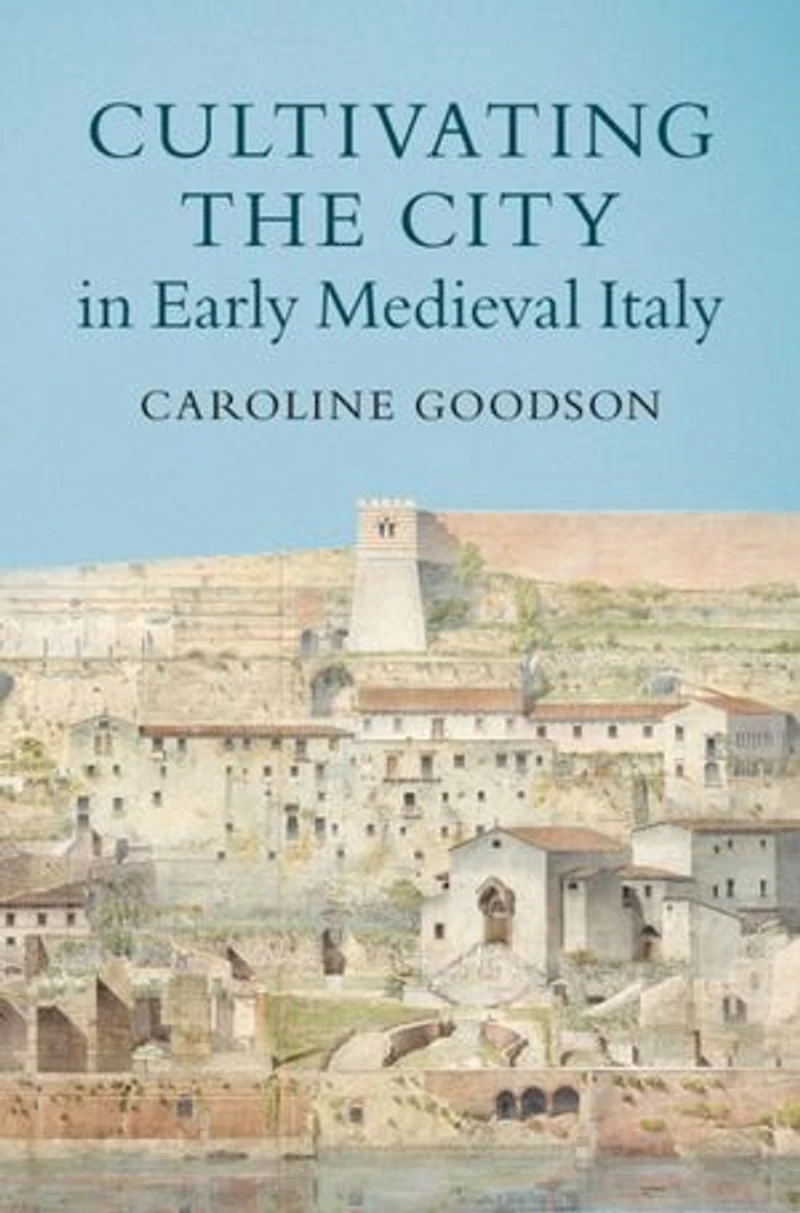
Cultivating the City in Early Medieval Italy
Current price: $31.99
Original price: $39.95

Cultivating the City in Early Medieval Italy
Current price: $31.99
Original price: $39.95
Loading Inventory...
Size: Kobo eBook
*Product information may vary - to confirm product availability, pricing, shipping and return information please contact Indigo
Food-growing gardens first appeared in early medieval cities during a period of major social, economic, and political change in the Italian peninsula, and they quickly took on a critical role in city life. The popularity of urban gardens in the medieval city during this period has conventionally been understood as a sign of decline in the post-Roman world, signalling a move towards a subsistence economy. Caroline Goodson challenges this interpretation, demonstrating how urban gardens came to perform essential roles not only in the economy, but also in cultural, religious, and political developments in the emerging early medieval world. Observing changes in how people interacted with each other and their environments from the level of individual households to their neighbourhoods, and the wider countryside, Goodson draws on documentary, archival, and archaeological evidence to reveal how urban gardening reconfigured Roman ideas and economic structures into new, medieval values.
Food-growing gardens first appeared in early medieval cities during a period of major social, economic, and political change in the Italian peninsula, and they quickly took on a critical role in city life. The popularity of urban gardens in the medieval city during this period has conventionally been understood as a sign of decline in the post-Roman world, signalling a move towards a subsistence economy. Caroline Goodson challenges this interpretation, demonstrating how urban gardens came to perform essential roles not only in the economy, but also in cultural, religious, and political developments in the emerging early medieval world. Observing changes in how people interacted with each other and their environments from the level of individual households to their neighbourhoods, and the wider countryside, Goodson draws on documentary, archival, and archaeological evidence to reveal how urban gardening reconfigured Roman ideas and economic structures into new, medieval values.
You May Also Like










More About Indigo at Erin Mills Town Centre
The largest book retailer in Canada also offers toys, music, home décor, gifts and lifestyle products. What's Inside...Books, Magazines, CD’s and DVD’s, Toys and Gifts, Home Accents, Electronics, Baby’s and Children’s Section, Bath and Body, Kitchen and Bedroom, Stationary Located outside in the exterior plaza.
5015 Glen Erin Dr, Mississauga, ON L5M 0R7, Canada
Find Indigo at Erin Mills Town Centre in Mississauga ON
Visit Indigo at Erin Mills Town Centre in Mississauga ON