

GIVE THE PERFECT GIFT
Erin Mills Town Centre Gift Cards are the perfect choice for your gift giving needs.Purchase gift cards at kiosks near the food court or centre court, at Guest Services, or click below to purchase online.PURCHASE HEREHome
Cultural Criticism in the Netherlands, 1933-1940: The Newspaper Columns of Menno ter Braak
Indigo
Loading Inventory...
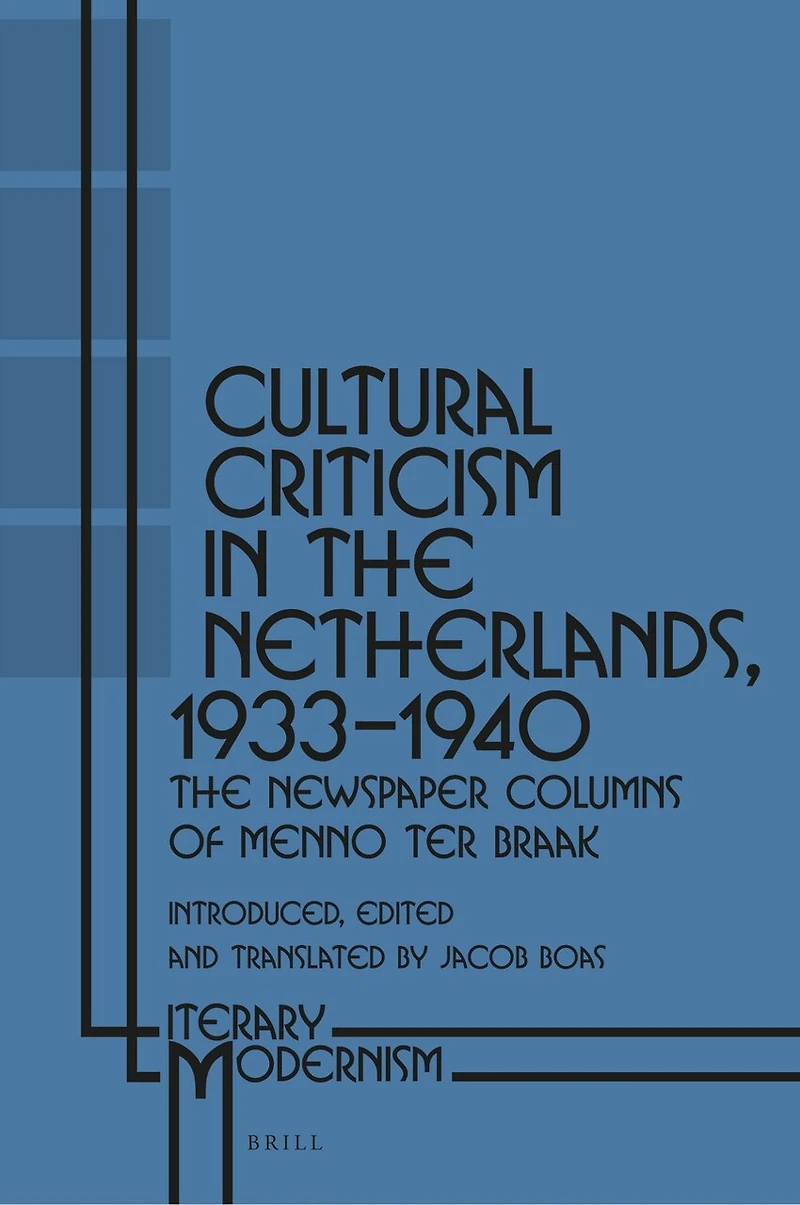
Cultural Criticism in the Netherlands, 1933-1940: The Newspaper Columns of Menno ter Braak
Current price: $188.99

Cultural Criticism in the Netherlands, 1933-1940: The Newspaper Columns of Menno ter Braak
Current price: $188.99
Loading Inventory...
Size: Hardcover
*Product information may vary - to confirm product availability, pricing, shipping and return information please contact Indigo
In Cultural Criticism in the Netherlands, 1933-40 , Jacob Boas offers a broad selection of the newspaper columns of legendary Dutch cultural critic Menno ter Braak. Ter Braak’s columns are noteworthy not only for their distinctive treatment of disparate cultural components ranging from literature to the social sciences, but also for the light they throw on the extent to which politics intruded on the cultural sphere in the years prior to the outbreak of war.
Ter Braak set a standard for literary criticism of surpassing quality. Moreover, a staunch advocate of democracy, the critic joined the battle against fascism, urging fellow intellectuals to rise to the occasion. The ‘conscience of Dutch letters’ killed himself on the eve of the German occupation, May 1940.
In Cultural Criticism in the Netherlands, 1933-40 , Jacob Boas offers a broad selection of the newspaper columns of legendary Dutch cultural critic Menno ter Braak. Ter Braak’s columns are noteworthy not only for their distinctive treatment of disparate cultural components ranging from literature to the social sciences, but also for the light they throw on the extent to which politics intruded on the cultural sphere in the years prior to the outbreak of war.
Ter Braak set a standard for literary criticism of surpassing quality. Moreover, a staunch advocate of democracy, the critic joined the battle against fascism, urging fellow intellectuals to rise to the occasion. The ‘conscience of Dutch letters’ killed himself on the eve of the German occupation, May 1940.
You May Also Like












More About Indigo at Erin Mills Town Centre
The largest book retailer in Canada also offers toys, music, home décor, gifts and lifestyle products. What's Inside...Books, Magazines, CD’s and DVD’s, Toys and Gifts, Home Accents, Electronics, Baby’s and Children’s Section, Bath and Body, Kitchen and Bedroom, Stationary Located outside in the exterior plaza.
5015 Glen Erin Dr, Mississauga, ON L5M 0R7, Canada
Find Indigo at Erin Mills Town Centre in Mississauga ON
Visit Indigo at Erin Mills Town Centre in Mississauga ON