

GIVE THE PERFECT GIFT
Erin Mills Town Centre Gift Cards are the perfect choice for your gift giving needs.Purchase gift cards at kiosks near the food court or centre court, at Guest Services, or click below to purchase online.PURCHASE HEREHome
Culture & History of Postrevolutionary China: The Perspective Global Modernity
Indigo
Loading Inventory...
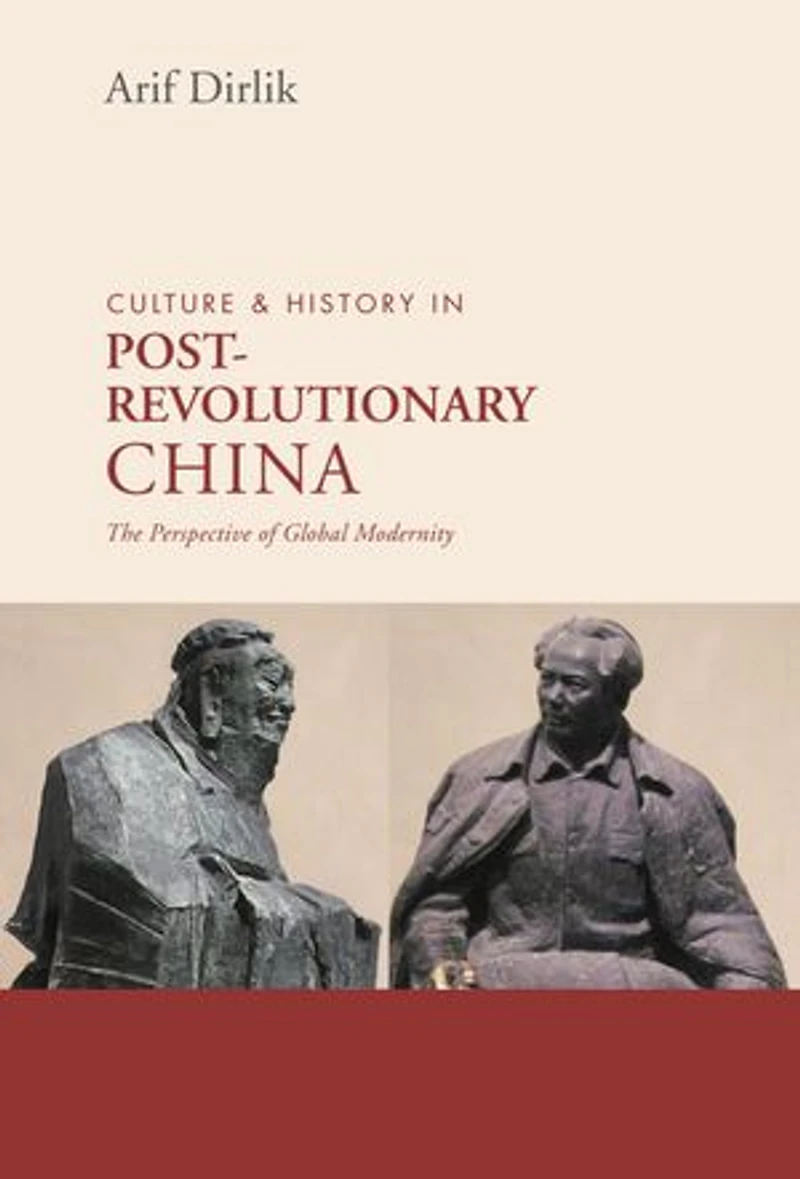
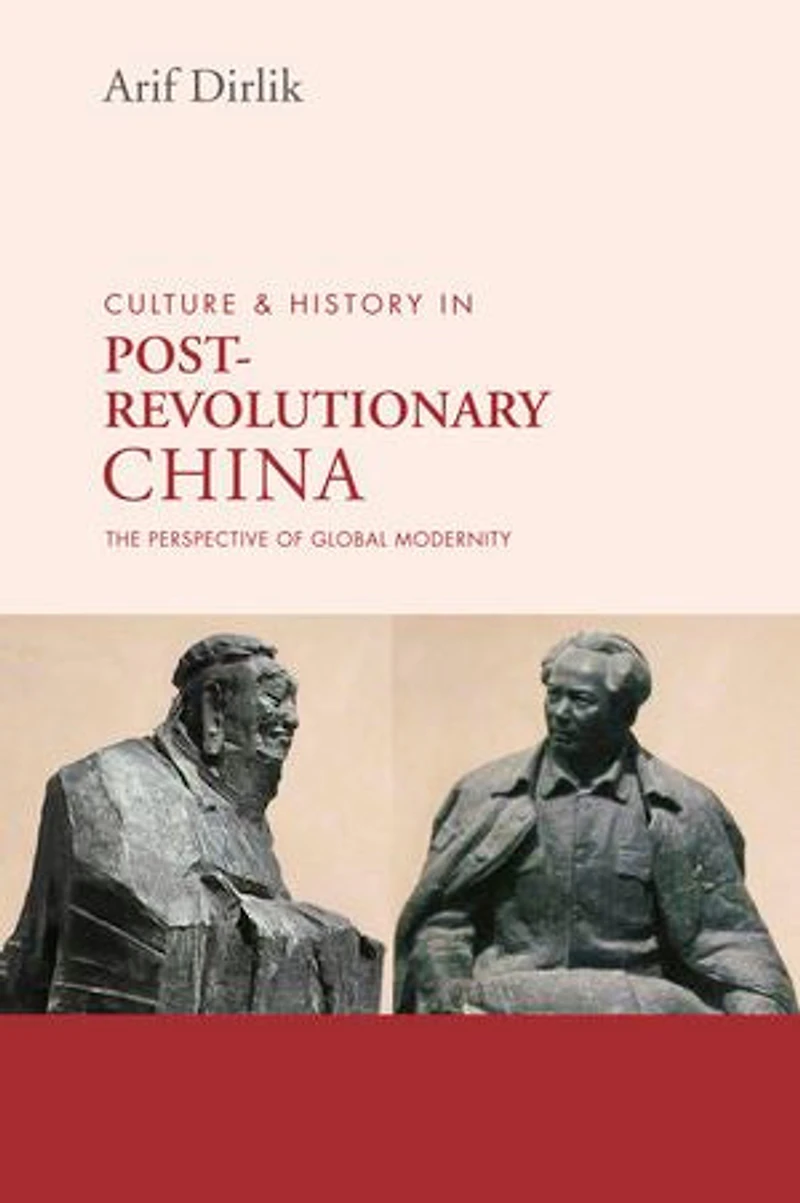
Culture & History of Postrevolutionary China: The Perspective Global Modernity
Current price: $69.39
Original price: $86.70

Culture & History of Postrevolutionary China: The Perspective Global Modernity
Current price: $69.39
Original price: $86.70
Loading Inventory...
Size: Kobo eBook (2022)
*Product information may vary - to confirm product availability, pricing, shipping and return information please contact Indigo
The essays in this volume grew from a series of talks delivered in late 2010 as the Liang Qichao Memorial Lectures at the Academy of National Learning (Guoxue yuan) of Tsinghua University, Beijing.Offering critical perspectives on a number of ideological issues that have figured prominently in Chinese intellectual discourse since the beginning of the so-called “reform and opening” (gaige kaifang) in the late 1970s, these essays range widely in subject matter, from Marxist historiography to sociology and anthropology in China to guoxue/national studies.Together they are conceived as different windows into a basic problem: the deployment of culture and history in postrevolutionary Chinese thought. Dirlik touches on a number of themes, including the repudiation of the revolutionary past after 1978, which has led to a rise of cultural nationalism. He further places these developments within a global context, ultimately making a case methodologically for “worlding” China: bringing China into the world, and the world into China.
The essays in this volume grew from a series of talks delivered in late 2010 as the Liang Qichao Memorial Lectures at the Academy of National Learning (Guoxue yuan) of Tsinghua University, Beijing.Offering critical perspectives on a number of ideological issues that have figured prominently in Chinese intellectual discourse since the beginning of the so-called “reform and opening” (gaige kaifang) in the late 1970s, these essays range widely in subject matter, from Marxist historiography to sociology and anthropology in China to guoxue/national studies.Together they are conceived as different windows into a basic problem: the deployment of culture and history in postrevolutionary Chinese thought. Dirlik touches on a number of themes, including the repudiation of the revolutionary past after 1978, which has led to a rise of cultural nationalism. He further places these developments within a global context, ultimately making a case methodologically for “worlding” China: bringing China into the world, and the world into China.
You May Also Like







More About Indigo at Erin Mills Town Centre
The largest book retailer in Canada also offers toys, music, home décor, gifts and lifestyle products. What's Inside...Books, Magazines, CD’s and DVD’s, Toys and Gifts, Home Accents, Electronics, Baby’s and Children’s Section, Bath and Body, Kitchen and Bedroom, Stationary Located outside in the exterior plaza.
5015 Glen Erin Dr, Mississauga, ON L5M 0R7, Canada
Find Indigo at Erin Mills Town Centre in Mississauga ON
Visit Indigo at Erin Mills Town Centre in Mississauga ON