

GIVE THE PERFECT GIFT
Erin Mills Town Centre Gift Cards are the perfect choice for your gift giving needs.Purchase gift cards at kiosks near the food court or centre court, at Guest Services, or click below to purchase online.PURCHASE HEREHome
Cultures of Calvinism Early Modern Europe
Indigo
Loading Inventory...
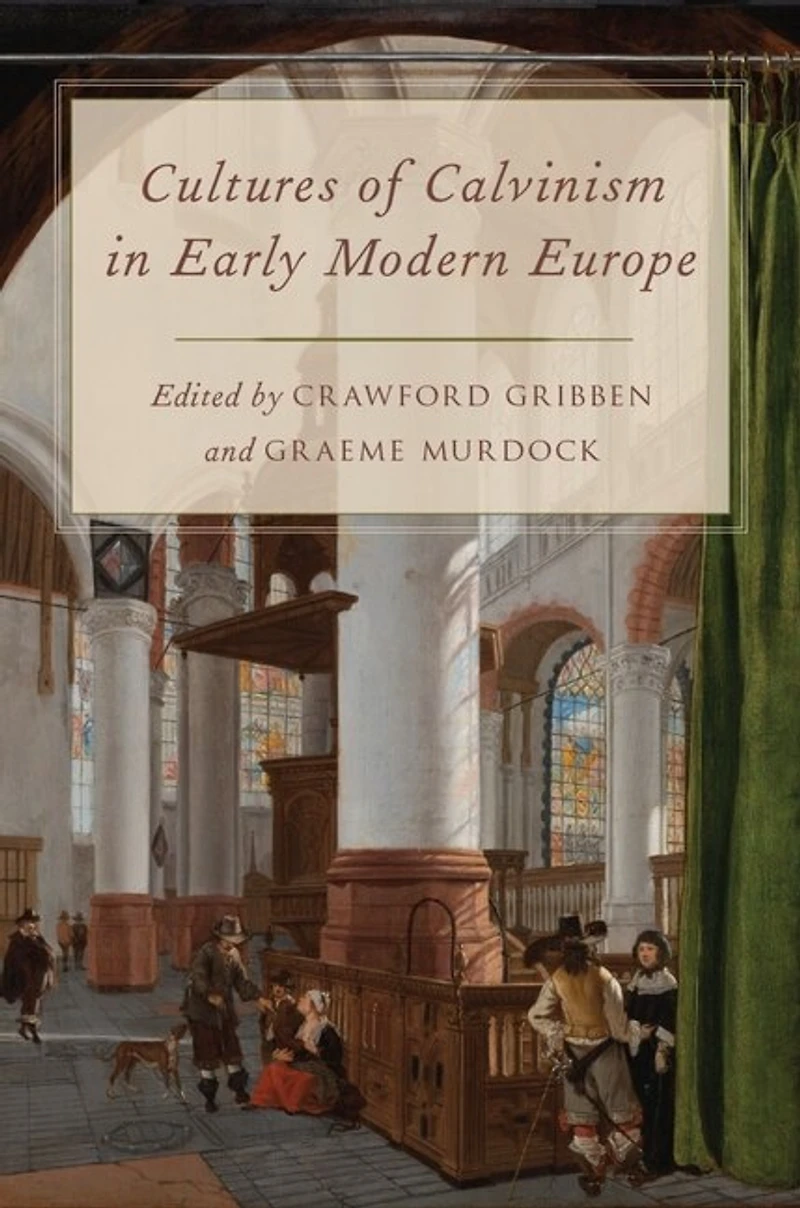
Cultures of Calvinism Early Modern Europe
Current price: $108.95

Cultures of Calvinism Early Modern Europe
Current price: $108.95
Loading Inventory...
Size: Hardcover
*Product information may vary - to confirm product availability, pricing, shipping and return information please contact Indigo
Scholars have associated Calvinism with print and literary cultures, with republican, liberal, and participatory political cultures, with cultures of violence and vandalism, enlightened cultures, cultures of social discipline, secular cultures, and with the emergence of capitalism. Reflecting on these arguments, the essays in this volume recognize that Reformed Protestantism did not develop as a uniform tradition but varied across space and time. The authors demonstrate that multiple iterations of Calvinism developed and impacted upon differing European communities that were experiencing social and cultural transition. They show how these different forms of Calvinism were shaped by their adherents and opponents, and by the divergent political and social contexts in which they were articulated and performed. Recognizing that Reformed Protestantism developed in a variety of cultural settings, this volume analyzes the ways in which it related to the multi-confessional cultural environment that prevailed in Europe after the Reformation.
Scholars have associated Calvinism with print and literary cultures, with republican, liberal, and participatory political cultures, with cultures of violence and vandalism, enlightened cultures, cultures of social discipline, secular cultures, and with the emergence of capitalism. Reflecting on these arguments, the essays in this volume recognize that Reformed Protestantism did not develop as a uniform tradition but varied across space and time. The authors demonstrate that multiple iterations of Calvinism developed and impacted upon differing European communities that were experiencing social and cultural transition. They show how these different forms of Calvinism were shaped by their adherents and opponents, and by the divergent political and social contexts in which they were articulated and performed. Recognizing that Reformed Protestantism developed in a variety of cultural settings, this volume analyzes the ways in which it related to the multi-confessional cultural environment that prevailed in Europe after the Reformation.
You May Also Like












More About Indigo at Erin Mills Town Centre
The largest book retailer in Canada also offers toys, music, home décor, gifts and lifestyle products. What's Inside...Books, Magazines, CD’s and DVD’s, Toys and Gifts, Home Accents, Electronics, Baby’s and Children’s Section, Bath and Body, Kitchen and Bedroom, Stationary Located outside in the exterior plaza.
5015 Glen Erin Dr, Mississauga, ON L5M 0R7, Canada
Find Indigo at Erin Mills Town Centre in Mississauga ON
Visit Indigo at Erin Mills Town Centre in Mississauga ON