

GIVE THE PERFECT GIFT
Erin Mills Town Centre Gift Cards are the perfect choice for your gift giving needs.Purchase gift cards at kiosks near the food court or centre court, at Guest Services, or click below to purchase online.PURCHASE HEREHome
Cultures of Servitude: Modernity, Domesticity, and Class India
Indigo
Loading Inventory...
Cultures of Servitude: Modernity, Domesticity, and Class India
Current price: $151.99

Cultures of Servitude: Modernity, Domesticity, and Class India
Current price: $151.99
Loading Inventory...
Size: Hardcover
*Product information may vary - to confirm product availability, pricing, shipping and return information please contact Indigo
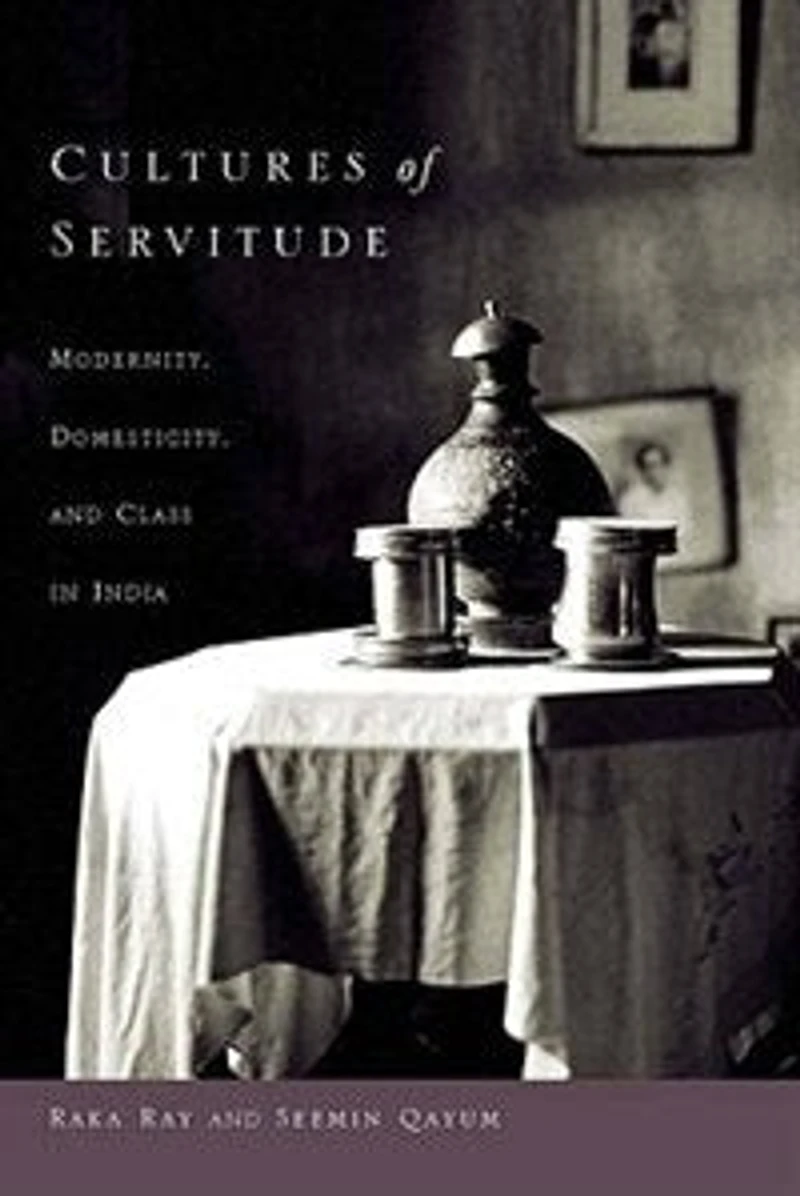
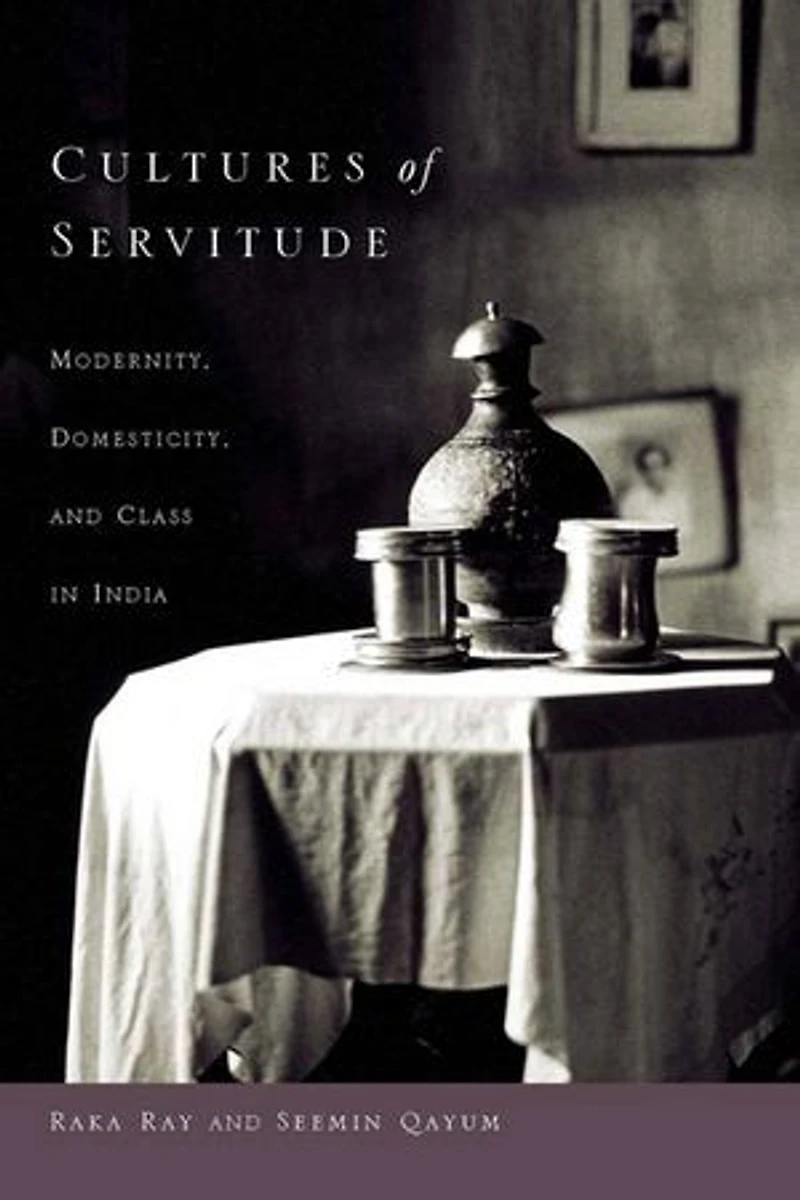
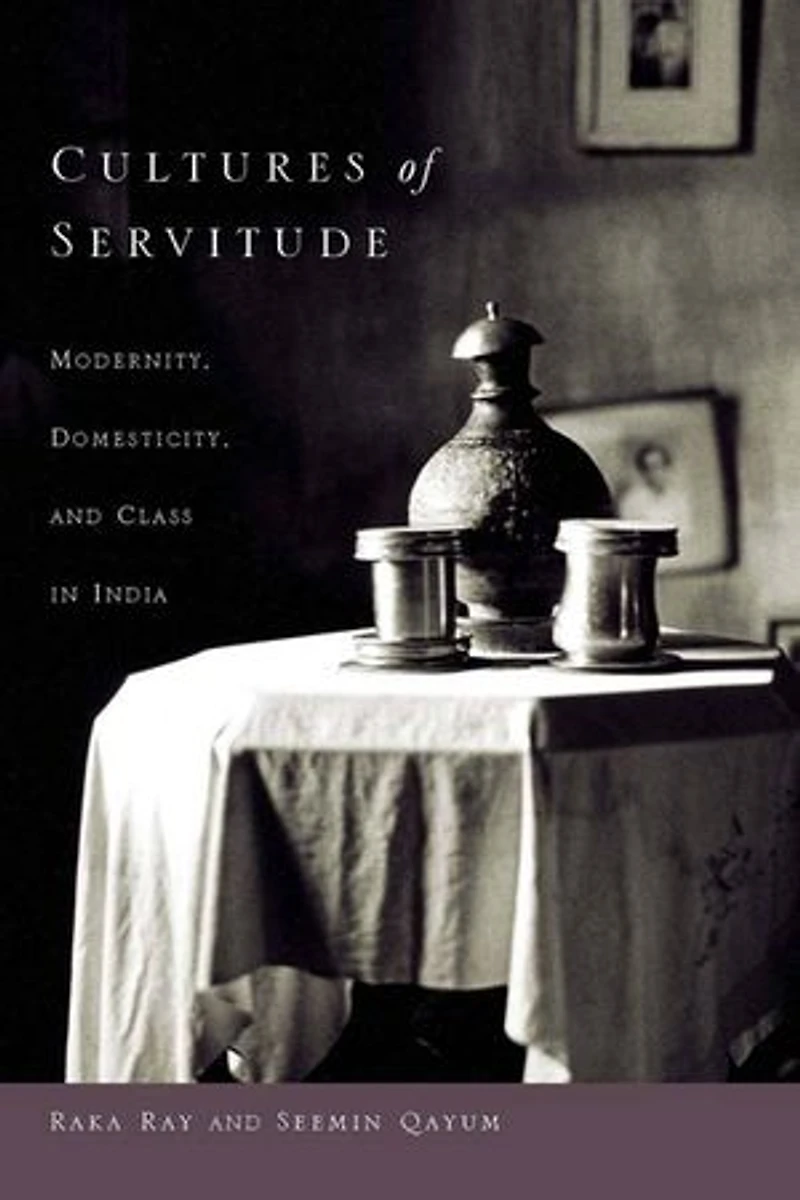
Domestic servitude blurs the divide between family and work, affection and duty, the home and the world. In Cultures of Servitude , Raka Ray and Seemin Qayum offer an ethnographic account of domestic life and servitude in contemporary Kolkata, India, with a concluding comparison with New York City. Focused on employers as well as servants, men as well as women, across multiple generations, they examine the practices and meaning of servitude around the home and in the public sphere.
This book shifts the conversations surrounding domestic service away from an emphasis on the crisis of transnational care work to one about the constitution of class. It reveals how employers position themselves as middle and upper classes through evolving methods of servant and home management, even as servants grapple with the challenges of class and cultural distinction embedded in relations of domination and inequality.
Domestic servitude blurs the divide between family and work, affection and duty, the home and the world. In Cultures of Servitude , Raka Ray and Seemin Qayum offer an ethnographic account of domestic life and servitude in contemporary Kolkata, India, with a concluding comparison with New York City. Focused on employers as well as servants, men as well as women, across multiple generations, they examine the practices and meaning of servitude around the home and in the public sphere.
This book shifts the conversations surrounding domestic service away from an emphasis on the crisis of transnational care work to one about the constitution of class. It reveals how employers position themselves as middle and upper classes through evolving methods of servant and home management, even as servants grapple with the challenges of class and cultural distinction embedded in relations of domination and inequality.
You May Also Like











More About Indigo at Erin Mills Town Centre
The largest book retailer in Canada also offers toys, music, home décor, gifts and lifestyle products. What's Inside...Books, Magazines, CD’s and DVD’s, Toys and Gifts, Home Accents, Electronics, Baby’s and Children’s Section, Bath and Body, Kitchen and Bedroom, Stationary Located outside in the exterior plaza.
5015 Glen Erin Dr, Mississauga, ON L5M 0R7, Canada
Find Indigo at Erin Mills Town Centre in Mississauga ON
Visit Indigo at Erin Mills Town Centre in Mississauga ON