

GIVE THE PERFECT GIFT
Erin Mills Town Centre Gift Cards are the perfect choice for your gift giving needs.Purchase gift cards at kiosks near the food court or centre court, at Guest Services, or click below to purchase online.PURCHASE HEREHome
Current Proteomic Approaches Applied to Brain Function
Indigo
Loading Inventory...
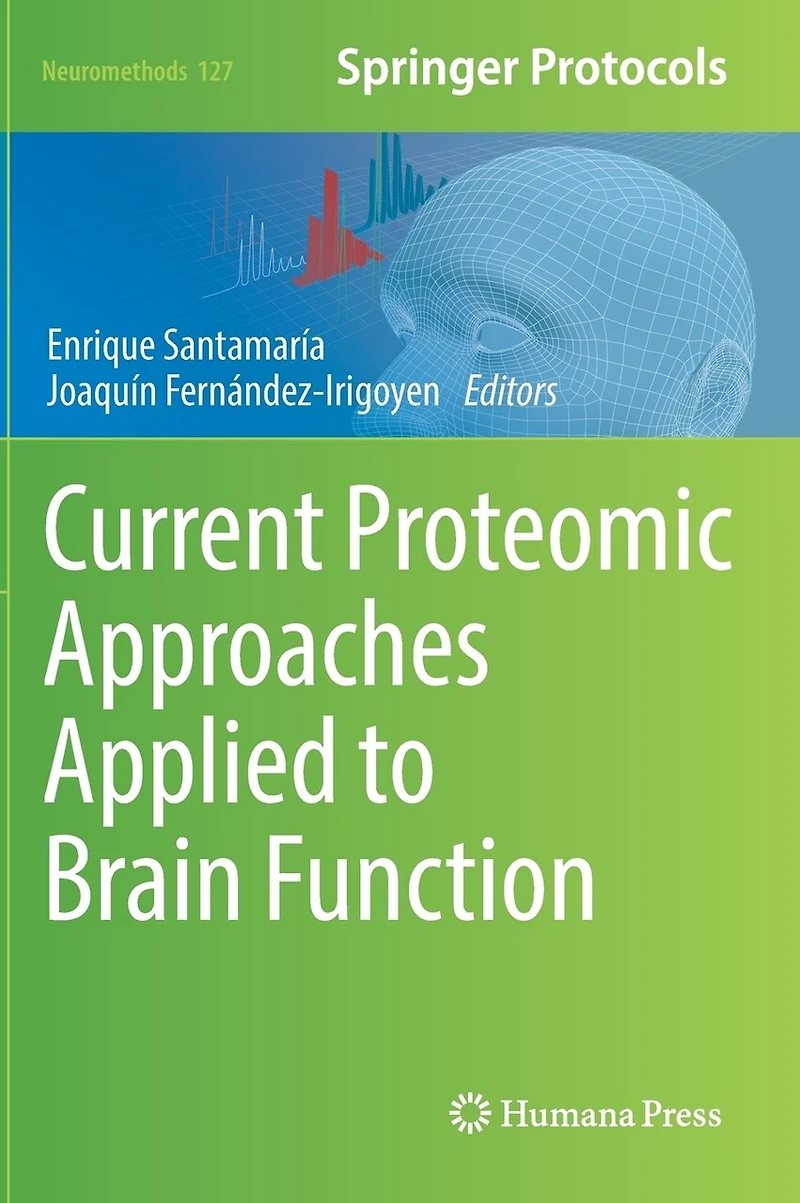
Current Proteomic Approaches Applied to Brain Function
Current price: $160.95

Current Proteomic Approaches Applied to Brain Function
Current price: $160.95
Loading Inventory...
Size: Hardcover
*Product information may vary - to confirm product availability, pricing, shipping and return information please contact Indigo
This volume focuses on protein analysis covering a wide spectrum of the utility of mass spectrometry within neurobiological disciplines. The chapters in this book discuss label (iTRAQ, TMT, protein arrays) and label-free workflows (SWATH, MALDI Imaging, and label-free quantitation). Other chapters look at experimental strategies targeted to the identification and quantitation of specific lipids and post-translational modifications, as well as proteomic workflows that focus on characterization of subcellular proteomes. The last few chapters in the book describe various bioinformatics pipelines used to analyze the molecular data derived from high-throughput transcriptomic and proteomic experiments on brain tissue. The Neuromethods series offers chapters with key advice and procedure specifics to empower the readers to successfully achieve their own scientific and experimental goals.
Thorough and comprehensive, Current Proteomic Approaches Applied to Brain Function is a valuable resource for graduate students and postdoctoral fellows interested in neuroproteomics, as well as researchers looking for further insight into the growing field of mass spectrometry in neuroscience.
This volume focuses on protein analysis covering a wide spectrum of the utility of mass spectrometry within neurobiological disciplines. The chapters in this book discuss label (iTRAQ, TMT, protein arrays) and label-free workflows (SWATH, MALDI Imaging, and label-free quantitation). Other chapters look at experimental strategies targeted to the identification and quantitation of specific lipids and post-translational modifications, as well as proteomic workflows that focus on characterization of subcellular proteomes. The last few chapters in the book describe various bioinformatics pipelines used to analyze the molecular data derived from high-throughput transcriptomic and proteomic experiments on brain tissue. The Neuromethods series offers chapters with key advice and procedure specifics to empower the readers to successfully achieve their own scientific and experimental goals.
Thorough and comprehensive, Current Proteomic Approaches Applied to Brain Function is a valuable resource for graduate students and postdoctoral fellows interested in neuroproteomics, as well as researchers looking for further insight into the growing field of mass spectrometry in neuroscience.
You May Also Like









More About Indigo at Erin Mills Town Centre
The largest book retailer in Canada also offers toys, music, home décor, gifts and lifestyle products. What's Inside...Books, Magazines, CD’s and DVD’s, Toys and Gifts, Home Accents, Electronics, Baby’s and Children’s Section, Bath and Body, Kitchen and Bedroom, Stationary Located outside in the exterior plaza.
5015 Glen Erin Dr, Mississauga, ON L5M 0R7, Canada
Find Indigo at Erin Mills Town Centre in Mississauga ON
Visit Indigo at Erin Mills Town Centre in Mississauga ON