

GIVE THE PERFECT GIFT
Erin Mills Town Centre Gift Cards are the perfect choice for your gift giving needs.Purchase gift cards at kiosks near the food court or centre court, at Guest Services, or click below to purchase online.PURCHASE HEREHome
Current Research In Abiotic And Biotic Stress In Plants
Indigo
Loading Inventory...
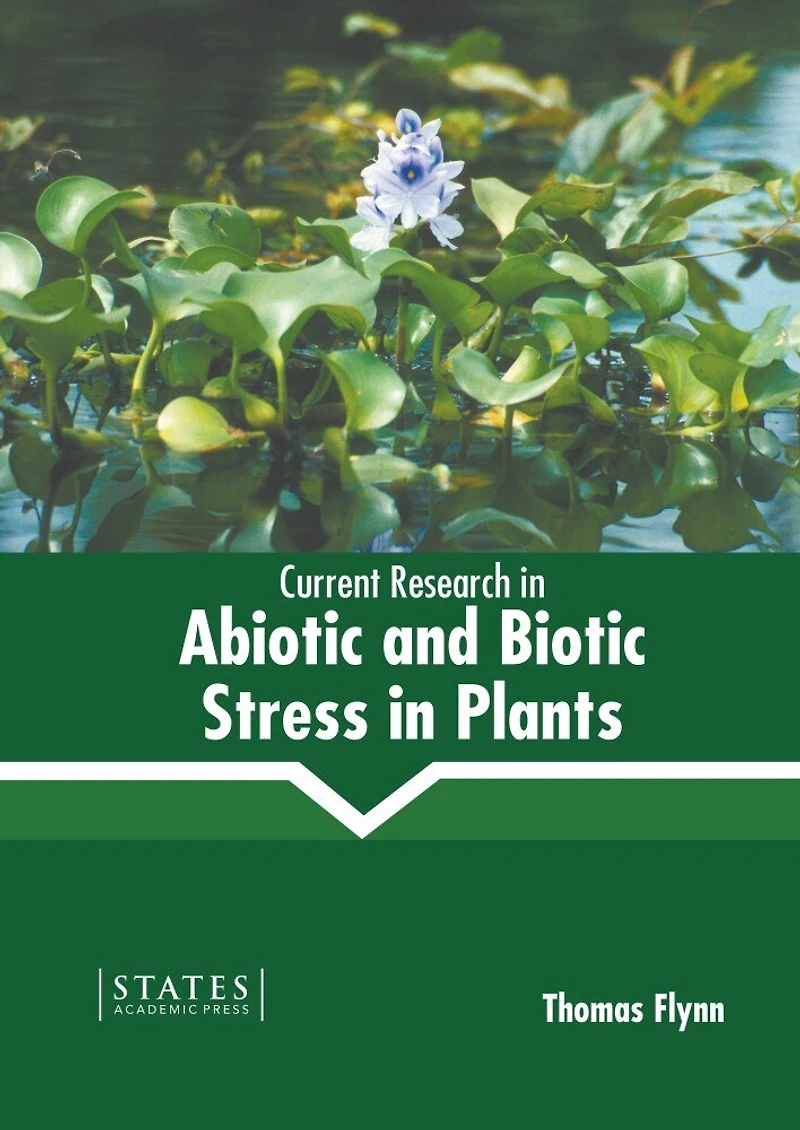
Current Research In Abiotic And Biotic Stress In Plants
Current price: $214.13

Current Research In Abiotic And Biotic Stress In Plants
Current price: $214.13
Loading Inventory...
Size: Hardcover
*Product information may vary - to confirm product availability, pricing, shipping and return information please contact Indigo
Stresses faced by plants due to changing external environment are classified into abiotic and biotic stress. Biotic stresses occur due to the infestation of plants by various organisms such as fungi, bacteria, viruses, herbivores and nematodes. These agents acts as parasites and deprive plants of their nutrients. Abiotic stresses include salination of water, drought, floods, desertification and extreme weather conditions. To combat these situations, plants undergo various biological changes such as altered generation, pathogen-associated molecular patterns, etc. Across the world, these stresses are responsible for loss of harvest and decreased crop yield. Increasing scarcity of water and changing weather patterns are predicted to increase stresses in plants. This book brings forth some of the most innovative concepts and elucidates the unexplored aspects of abiotic and biotic stress in plants. From theories to research to practical applications, case studies related to all contemporary topics of relevance to this field have been included in it. This book is a vital tool for all researching or studying abiotic and biotic stresses in plants as it gives incredible insights into emerging trends and concepts.
Stresses faced by plants due to changing external environment are classified into abiotic and biotic stress. Biotic stresses occur due to the infestation of plants by various organisms such as fungi, bacteria, viruses, herbivores and nematodes. These agents acts as parasites and deprive plants of their nutrients. Abiotic stresses include salination of water, drought, floods, desertification and extreme weather conditions. To combat these situations, plants undergo various biological changes such as altered generation, pathogen-associated molecular patterns, etc. Across the world, these stresses are responsible for loss of harvest and decreased crop yield. Increasing scarcity of water and changing weather patterns are predicted to increase stresses in plants. This book brings forth some of the most innovative concepts and elucidates the unexplored aspects of abiotic and biotic stress in plants. From theories to research to practical applications, case studies related to all contemporary topics of relevance to this field have been included in it. This book is a vital tool for all researching or studying abiotic and biotic stresses in plants as it gives incredible insights into emerging trends and concepts.
You May Also Like








More About Indigo at Erin Mills Town Centre
The largest book retailer in Canada also offers toys, music, home décor, gifts and lifestyle products. What's Inside...Books, Magazines, CD’s and DVD’s, Toys and Gifts, Home Accents, Electronics, Baby’s and Children’s Section, Bath and Body, Kitchen and Bedroom, Stationary Located outside in the exterior plaza.
5015 Glen Erin Dr, Mississauga, ON L5M 0R7, Canada
Find Indigo at Erin Mills Town Centre in Mississauga ON
Visit Indigo at Erin Mills Town Centre in Mississauga ON