

GIVE THE PERFECT GIFT
Erin Mills Town Centre Gift Cards are the perfect choice for your gift giving needs.Purchase gift cards at kiosks near the food court or centre court, at Guest Services, or click below to purchase online.PURCHASE HEREHome
Curricula, Examinations, And Assessment In Secondary Education In Sub-Saharan Africa
Indigo
Loading Inventory...
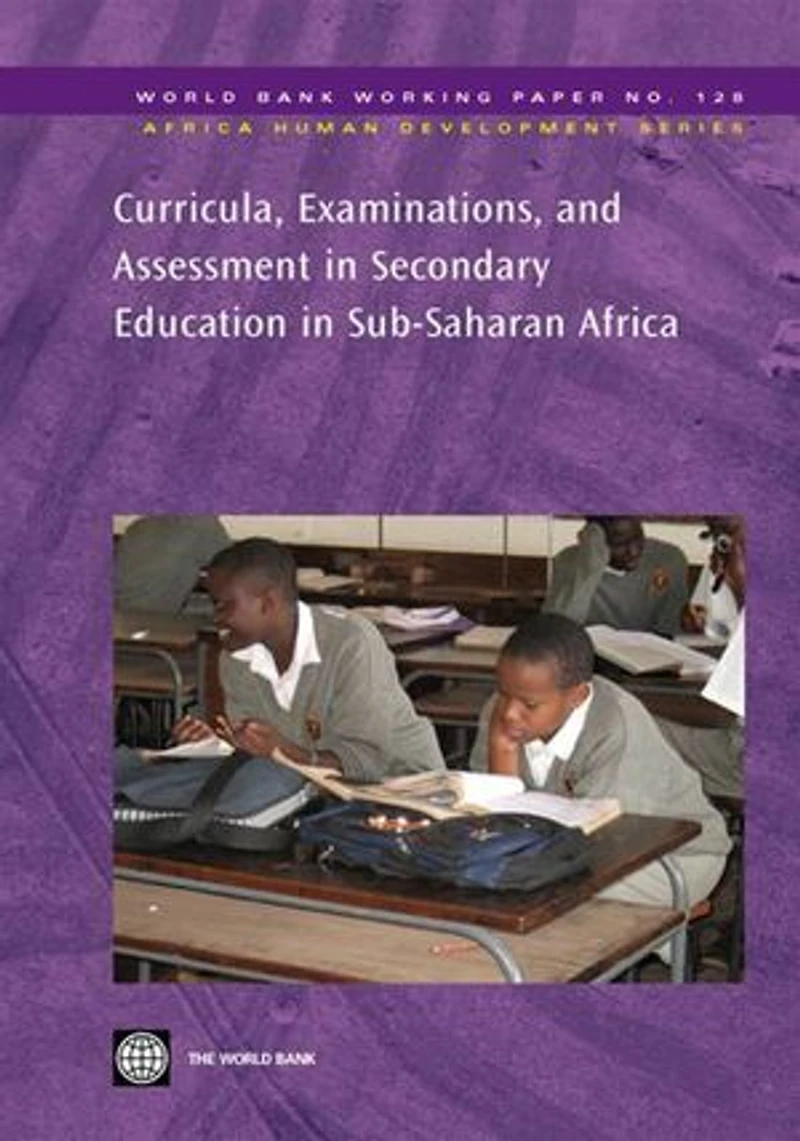
Curricula, Examinations, And Assessment In Secondary Education In Sub-Saharan Africa
Current price: $10.89
Original price: $13.56

Curricula, Examinations, And Assessment In Secondary Education In Sub-Saharan Africa
Current price: $10.89
Original price: $13.56
Loading Inventory...
Size: Kobo eBook
*Product information may vary - to confirm product availability, pricing, shipping and return information please contact Indigo
Economic and social changes, fast evolution of technology, and the growing importance of internet services and international communications all these require secondary education providers to adapt what is taught and learned in schools. However, in Africa the content of secondary curricula is in most cases ill-adapted to 21st century challenges, where young people are mobile, have access to "more and instant information," and face health threats such as HIV/AIDS. In addition, implementation problems exist, andthe time for instruction is often much less than what is required by the prescribed secondary curriculum. In Africa there is a need to develop a secondary education curriculum adapted to the local economic and social environment, but with internationally-comparable performance indicators. This study analyzes that challenge: the quality of curricula and assessment, and their development processes in secondary education in Africa against the background of existing contexts, conditions, and ambitions on the one hand and current pedagogical thinking on the other.
Economic and social changes, fast evolution of technology, and the growing importance of internet services and international communications all these require secondary education providers to adapt what is taught and learned in schools. However, in Africa the content of secondary curricula is in most cases ill-adapted to 21st century challenges, where young people are mobile, have access to "more and instant information," and face health threats such as HIV/AIDS. In addition, implementation problems exist, andthe time for instruction is often much less than what is required by the prescribed secondary curriculum. In Africa there is a need to develop a secondary education curriculum adapted to the local economic and social environment, but with internationally-comparable performance indicators. This study analyzes that challenge: the quality of curricula and assessment, and their development processes in secondary education in Africa against the background of existing contexts, conditions, and ambitions on the one hand and current pedagogical thinking on the other.
You May Also Like







More About Indigo at Erin Mills Town Centre
The largest book retailer in Canada also offers toys, music, home décor, gifts and lifestyle products. What's Inside...Books, Magazines, CD’s and DVD’s, Toys and Gifts, Home Accents, Electronics, Baby’s and Children’s Section, Bath and Body, Kitchen and Bedroom, Stationary Located outside in the exterior plaza.
5015 Glen Erin Dr, Mississauga, ON L5M 0R7, Canada
Find Indigo at Erin Mills Town Centre in Mississauga ON
Visit Indigo at Erin Mills Town Centre in Mississauga ON