

GIVE THE PERFECT GIFT
Erin Mills Town Centre Gift Cards are the perfect choice for your gift giving needs.Purchase gift cards at kiosks near the food court or centre court, at Guest Services, or click below to purchase online.PURCHASE HEREHome
D. T. Suzuki on the Unconscious Zen Art, Meditation, and Enlightenment
Indigo
Loading Inventory...
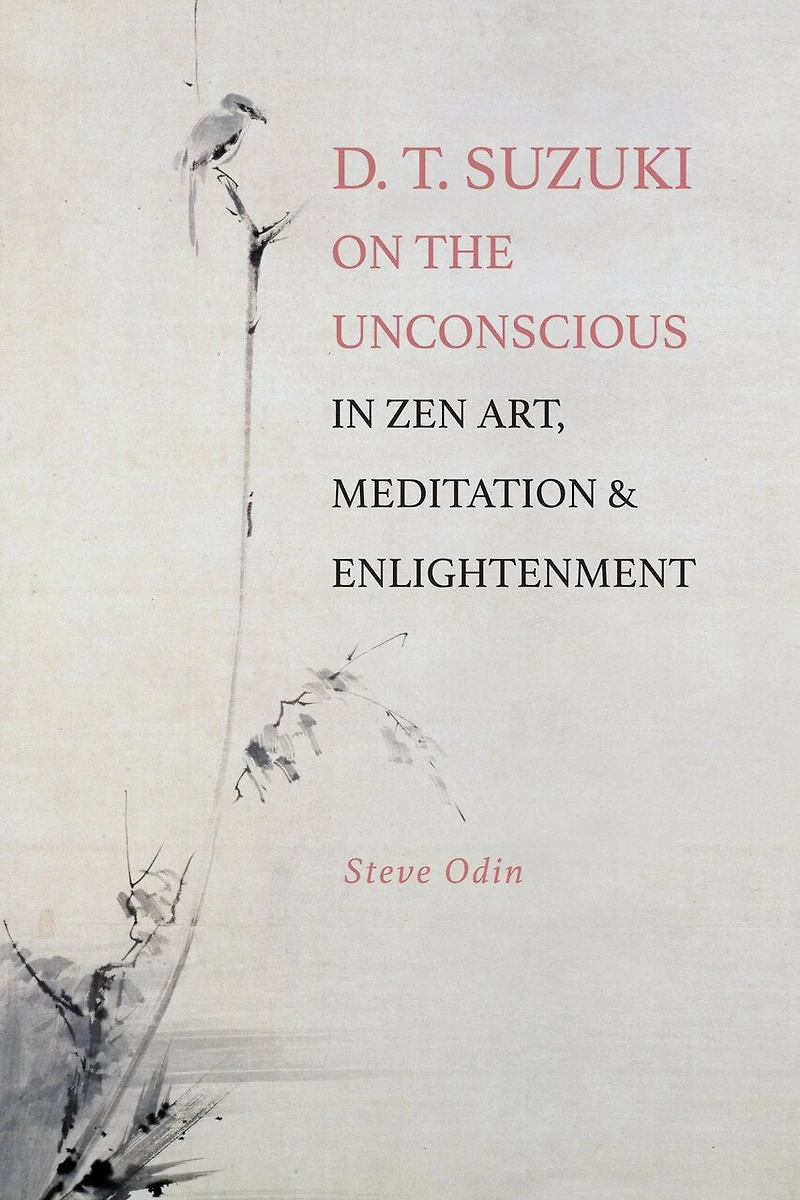
D. T. Suzuki on the Unconscious Zen Art, Meditation, and Enlightenment
Current price: $175.95

D. T. Suzuki on the Unconscious Zen Art, Meditation, and Enlightenment
Current price: $175.95
Loading Inventory...
Size: Hardcover
*Product information may vary - to confirm product availability, pricing, shipping and return information please contact Indigo
This book explores how the Japanese philosopher D. T. Suzuki (1870–1966) developed an integral synthesis of Eastern and Western sources to establish a modern philosophical psychology of the "cosmic Unconscious," which he in turn used as the basis to interpret every aspect of Zen art, meditation, and enlightenment. Beyond Freud's personal unconscious and Jung's collective unconscious, according to Suzuki, is the cosmic Unconscious of Zen, which as absolute nothingness is the fountain of inexhaustible creative potentialities and the source of all Zen-inspired arts. The book demonstrates that, like the Kyoto School of modern Japanese philosophy, Suzuki's Zen endeavors to overcome the existential problem of nihilism or relative nothingness by shifting to the openness of absolute nothingness wherein emptiness is fullness and all things are disclosed in the evanescent beauty of their suchness. Suzuki, however, formulates his scheme in terms of a depth psychology where the cosmic Unconscious is the encompassing locus of absolute nothingness. Ultimately, the book argues that, by integrating both Eastern and Western views of the unconscious psyche, including the different schools of Zen and Mahayana Buddhism, as well as American, French, and German theories of the unconscious, Suzuki's Zen concept of the cosmic Unconscious constitutes a significant original contribution to philosophical psychology.
This book explores how the Japanese philosopher D. T. Suzuki (1870–1966) developed an integral synthesis of Eastern and Western sources to establish a modern philosophical psychology of the "cosmic Unconscious," which he in turn used as the basis to interpret every aspect of Zen art, meditation, and enlightenment. Beyond Freud's personal unconscious and Jung's collective unconscious, according to Suzuki, is the cosmic Unconscious of Zen, which as absolute nothingness is the fountain of inexhaustible creative potentialities and the source of all Zen-inspired arts. The book demonstrates that, like the Kyoto School of modern Japanese philosophy, Suzuki's Zen endeavors to overcome the existential problem of nihilism or relative nothingness by shifting to the openness of absolute nothingness wherein emptiness is fullness and all things are disclosed in the evanescent beauty of their suchness. Suzuki, however, formulates his scheme in terms of a depth psychology where the cosmic Unconscious is the encompassing locus of absolute nothingness. Ultimately, the book argues that, by integrating both Eastern and Western views of the unconscious psyche, including the different schools of Zen and Mahayana Buddhism, as well as American, French, and German theories of the unconscious, Suzuki's Zen concept of the cosmic Unconscious constitutes a significant original contribution to philosophical psychology.
You May Also Like












More About Indigo at Erin Mills Town Centre
The largest book retailer in Canada also offers toys, music, home décor, gifts and lifestyle products. What's Inside...Books, Magazines, CD’s and DVD’s, Toys and Gifts, Home Accents, Electronics, Baby’s and Children’s Section, Bath and Body, Kitchen and Bedroom, Stationary Located outside in the exterior plaza.
5015 Glen Erin Dr, Mississauga, ON L5M 0R7, Canada
Find Indigo at Erin Mills Town Centre in Mississauga ON
Visit Indigo at Erin Mills Town Centre in Mississauga ON