

GIVE THE PERFECT GIFT
Erin Mills Town Centre Gift Cards are the perfect choice for your gift giving needs.Purchase gift cards at kiosks near the food court or centre court, at Guest Services, or click below to purchase online.PURCHASE HEREHome
Dactylography Or The Study Of Finger-Prints
Indigo
Loading Inventory...
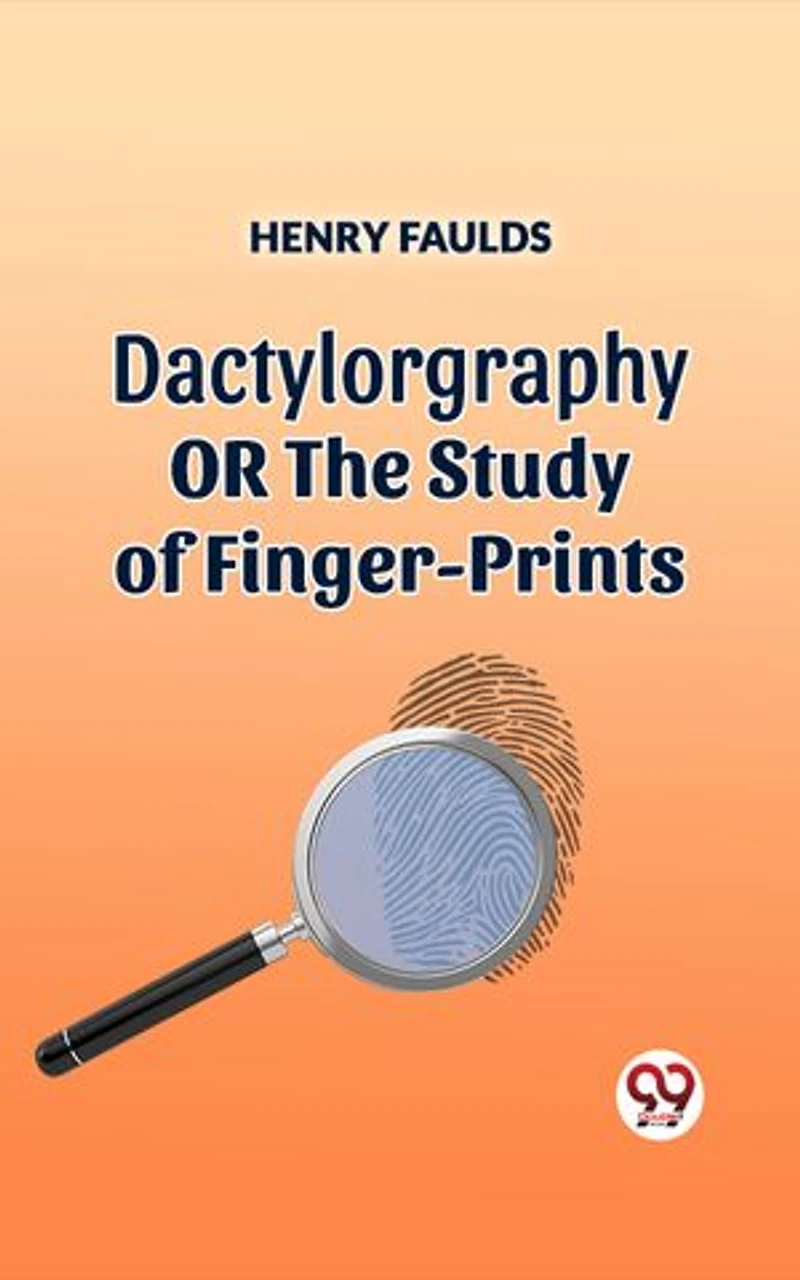
Dactylography Or The Study Of Finger-Prints
Current price: $1.99

Dactylography Or The Study Of Finger-Prints
Current price: $1.99
Loading Inventory...
Size: Kobo eBook
*Product information may vary - to confirm product availability, pricing, shipping and return information please contact Indigo
"Dactylography or the Study of Finger-Prints" is a seminal work authored by Henry Faulds, a Scottish physician, and missionary, within the past due nineteenth century. Published in the medical journal "Nature" in 1880, Faulds's groundbreaking paper laid the inspiration for the systematic study and application of fingerprint identification in forensic technological know-how. Faulds's paintings brought the concept of the use of fingerprints as a completely unique and permanent means of identification. He argued that the one-of-a-kind ridge styles on human fingertips may want to function a reliable technique for crook identification and forensic research. Faulds also proposed a class gadget for fingerprints, recognizing their individuality and capability for solving crimes. While Faulds's contributions had been to begin with overlooked, the ideas offered in his paper received recognition and have an impact on over the years. Sir Francis Galton and Sir Edward Henry in addition developed and popularized fingerprint identity, with Henry's type device turning into widely followed. Henry Faulds's paintings on dactylography laid the groundwork for modern forensic fingerprint analysis, revolutionizing crook investigations and contributing appreciably to the status quo of fingerprinting as a wellknown forensic device global. His pioneering efforts have left a long-lasting impact on the sector of forensic science, shaping the way regulation enforcement agencies technique criminal identity to at the moment.
"Dactylography or the Study of Finger-Prints" is a seminal work authored by Henry Faulds, a Scottish physician, and missionary, within the past due nineteenth century. Published in the medical journal "Nature" in 1880, Faulds's groundbreaking paper laid the inspiration for the systematic study and application of fingerprint identification in forensic technological know-how. Faulds's paintings brought the concept of the use of fingerprints as a completely unique and permanent means of identification. He argued that the one-of-a-kind ridge styles on human fingertips may want to function a reliable technique for crook identification and forensic research. Faulds also proposed a class gadget for fingerprints, recognizing their individuality and capability for solving crimes. While Faulds's contributions had been to begin with overlooked, the ideas offered in his paper received recognition and have an impact on over the years. Sir Francis Galton and Sir Edward Henry in addition developed and popularized fingerprint identity, with Henry's type device turning into widely followed. Henry Faulds's paintings on dactylography laid the groundwork for modern forensic fingerprint analysis, revolutionizing crook investigations and contributing appreciably to the status quo of fingerprinting as a wellknown forensic device global. His pioneering efforts have left a long-lasting impact on the sector of forensic science, shaping the way regulation enforcement agencies technique criminal identity to at the moment.
You May Also Like














More About Indigo at Erin Mills Town Centre
The largest book retailer in Canada also offers toys, music, home décor, gifts and lifestyle products. What's Inside...Books, Magazines, CD’s and DVD’s, Toys and Gifts, Home Accents, Electronics, Baby’s and Children’s Section, Bath and Body, Kitchen and Bedroom, Stationary Located outside in the exterior plaza.
5015 Glen Erin Dr, Mississauga, ON L5M 0R7, Canada
Find Indigo at Erin Mills Town Centre in Mississauga ON
Visit Indigo at Erin Mills Town Centre in Mississauga ON