

GIVE THE PERFECT GIFT
Erin Mills Town Centre Gift Cards are the perfect choice for your gift giving needs.Purchase gift cards at kiosks near the food court or centre court, at Guest Services, or click below to purchase online.PURCHASE HEREHome
Dadaism
Indigo
Loading Inventory...
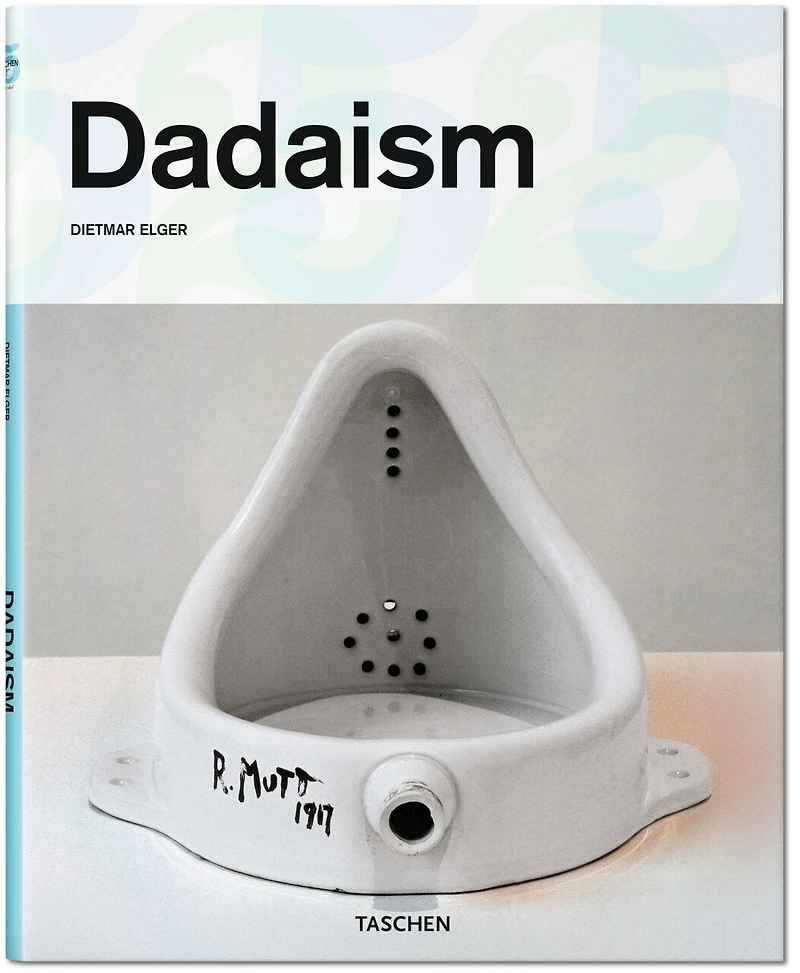

Dadaism
Current price: $19.00

Dadaism
Current price: $19.00
Loading Inventory...
Size: Hardcover (2009)
*Product information may vary - to confirm product availability, pricing, shipping and return information please contact Indigo
Emerging amid the brutality of World War I, the revolutionary Dada movement took disgust with the establishment as its starting point. From 1916 until the mid-1920s, artists in Zurich, Cologne, Hanover, Paris, and New York launched a radical assault on the politics, social values, and cultural conformity which they regarded as complicit in the devastating conflict.
Dada artists shared no distinct style but rather a common wish to upturn societal structures as much as artistic standards and to replace logic and reason with the absurd, chaotic, and unpredictable . Their practice encompassed experimental theater, games, guttural sound-making, collage, photomontage, chance-based procedures, and the “readymade,” most notoriously Marcel Duchamp’s urinal, Fountain (1917). Throughout, the Dadaists considered the visual appearance of their work secondary to the ideas and critiques it expressed. In this sense, Dada may be seen as a fundamental precursor to conceptual art .
With a selection of key works from some of the most famous proponents of Dada such as Tristan Tzara, Marcel Duchamp, Hannah Höch, Kurt Schwitters, Francis Picabia, and Man Ray, this book introduces this urgent, subversive, and determined 20th-century movement and its lasting influence on modern art.
Emerging amid the brutality of World War I, the revolutionary Dada movement took disgust with the establishment as its starting point. From 1916 until the mid-1920s, artists in Zurich, Cologne, Hanover, Paris, and New York launched a radical assault on the politics, social values, and cultural conformity which they regarded as complicit in the devastating conflict.
Dada artists shared no distinct style but rather a common wish to upturn societal structures as much as artistic standards and to replace logic and reason with the absurd, chaotic, and unpredictable . Their practice encompassed experimental theater, games, guttural sound-making, collage, photomontage, chance-based procedures, and the “readymade,” most notoriously Marcel Duchamp’s urinal, Fountain (1917). Throughout, the Dadaists considered the visual appearance of their work secondary to the ideas and critiques it expressed. In this sense, Dada may be seen as a fundamental precursor to conceptual art .
With a selection of key works from some of the most famous proponents of Dada such as Tristan Tzara, Marcel Duchamp, Hannah Höch, Kurt Schwitters, Francis Picabia, and Man Ray, this book introduces this urgent, subversive, and determined 20th-century movement and its lasting influence on modern art.
You May Also Like
















More About Indigo at Erin Mills Town Centre
The largest book retailer in Canada also offers toys, music, home décor, gifts and lifestyle products. What's Inside...Books, Magazines, CD’s and DVD’s, Toys and Gifts, Home Accents, Electronics, Baby’s and Children’s Section, Bath and Body, Kitchen and Bedroom, Stationary Located outside in the exterior plaza.
5015 Glen Erin Dr, Mississauga, ON L5M 0R7, Canada
Find Indigo at Erin Mills Town Centre in Mississauga ON
Visit Indigo at Erin Mills Town Centre in Mississauga ON