

GIVE THE PERFECT GIFT
Erin Mills Town Centre Gift Cards are the perfect choice for your gift giving needs.Purchase gift cards at kiosks near the food court or centre court, at Guest Services, or click below to purchase online.PURCHASE HEREHome
Dagur Kari's Noi the Albino
Indigo
Loading Inventory...
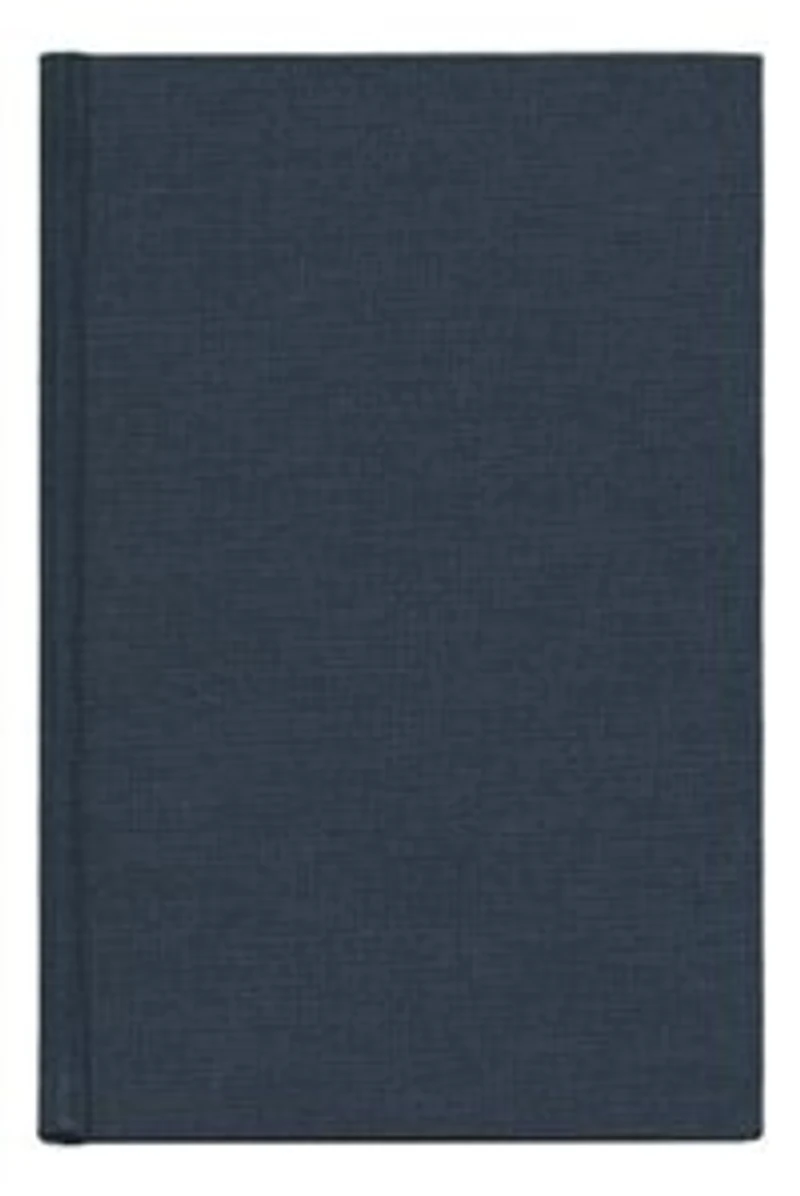
Dagur Kari's Noi the Albino
Current price: $135.00

Dagur Kari's Noi the Albino
Current price: $135.00
Loading Inventory...
Size: Hardcover
*Product information may vary - to confirm product availability, pricing, shipping and return information please contact Indigo
Dagur Kari?s Noi the Albino (Noi albinoi, 2003) succeeded on the international festival circuit as a film that was both distinctively Icelandic and appealingly universal. Noi the Albino taps into perennial themes of escapism and existential angst, while its setting in the Westfjords of Iceland provided an almost surreal backdrop whose particularities of place are uniquely Icelandic. Bjorn Nordfjord?s examination of the film integrates the broad context and history of Icelandic cinema into a close reading of Noi the Albino?s themes, visual style, and key scenes. The book also includes an interview with director Dagur Kari.
Noi the Albino ?s successful negotiation of the tensions between the local and the global contribute to the film?s status as a contemporary classic. Its place within the history of Icelandic cinema highlights the specific problems this small nation faces as it pursues its filmmaking ambitions, allowing us to appreciate the remarkable success of Kari?s film in relation to the challenges of transnational filmmaking.
Dagur Kari?s Noi the Albino (Noi albinoi, 2003) succeeded on the international festival circuit as a film that was both distinctively Icelandic and appealingly universal. Noi the Albino taps into perennial themes of escapism and existential angst, while its setting in the Westfjords of Iceland provided an almost surreal backdrop whose particularities of place are uniquely Icelandic. Bjorn Nordfjord?s examination of the film integrates the broad context and history of Icelandic cinema into a close reading of Noi the Albino?s themes, visual style, and key scenes. The book also includes an interview with director Dagur Kari.
Noi the Albino ?s successful negotiation of the tensions between the local and the global contribute to the film?s status as a contemporary classic. Its place within the history of Icelandic cinema highlights the specific problems this small nation faces as it pursues its filmmaking ambitions, allowing us to appreciate the remarkable success of Kari?s film in relation to the challenges of transnational filmmaking.
You May Also Like










More About Indigo at Erin Mills Town Centre
The largest book retailer in Canada also offers toys, music, home décor, gifts and lifestyle products. What's Inside...Books, Magazines, CD’s and DVD’s, Toys and Gifts, Home Accents, Electronics, Baby’s and Children’s Section, Bath and Body, Kitchen and Bedroom, Stationary Located outside in the exterior plaza.
5015 Glen Erin Dr, Mississauga, ON L5M 0R7, Canada
Find Indigo at Erin Mills Town Centre in Mississauga ON
Visit Indigo at Erin Mills Town Centre in Mississauga ON