

GIVE THE PERFECT GIFT
Erin Mills Town Centre Gift Cards are the perfect choice for your gift giving needs.Purchase gift cards at kiosks near the food court or centre court, at Guest Services, or click below to purchase online.PURCHASE HEREHome
Dance Lexicon Shakespeare and His Contemporaries: A Corpus Based Approach
Indigo
Loading Inventory...
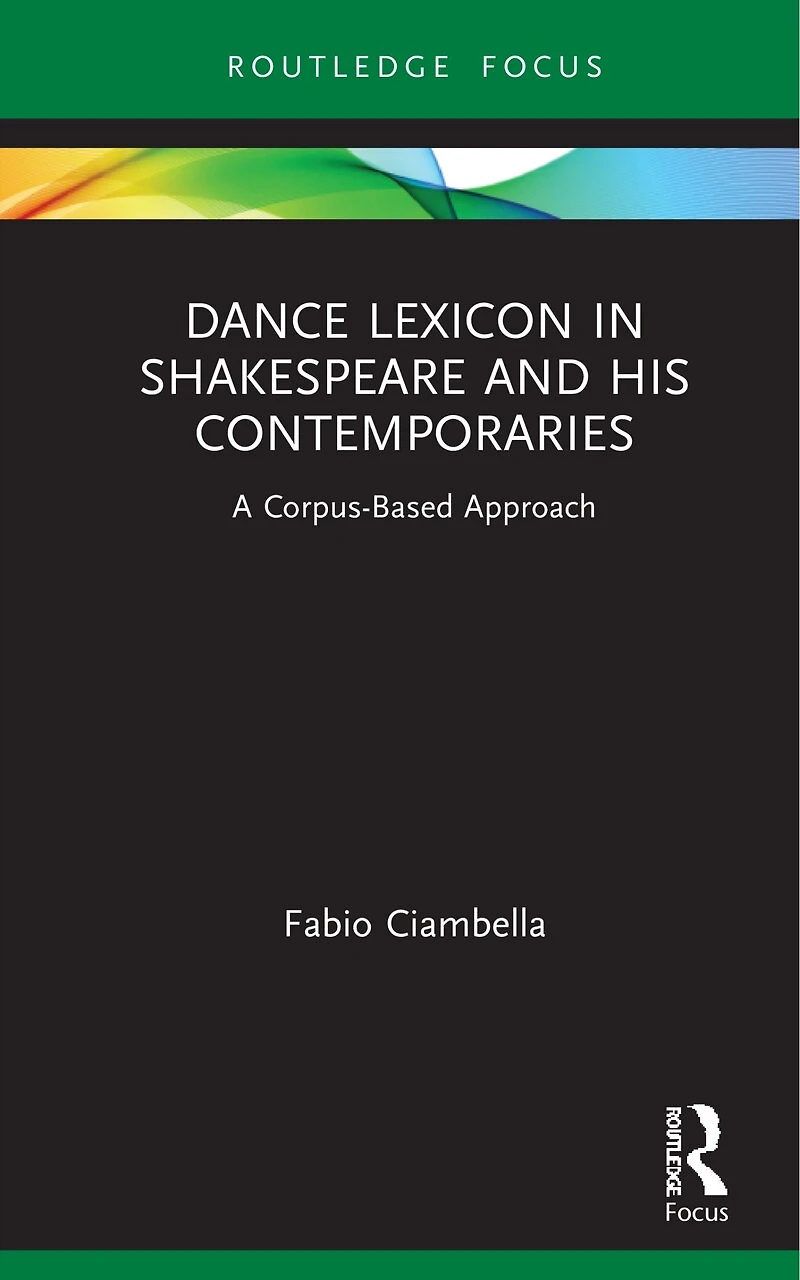
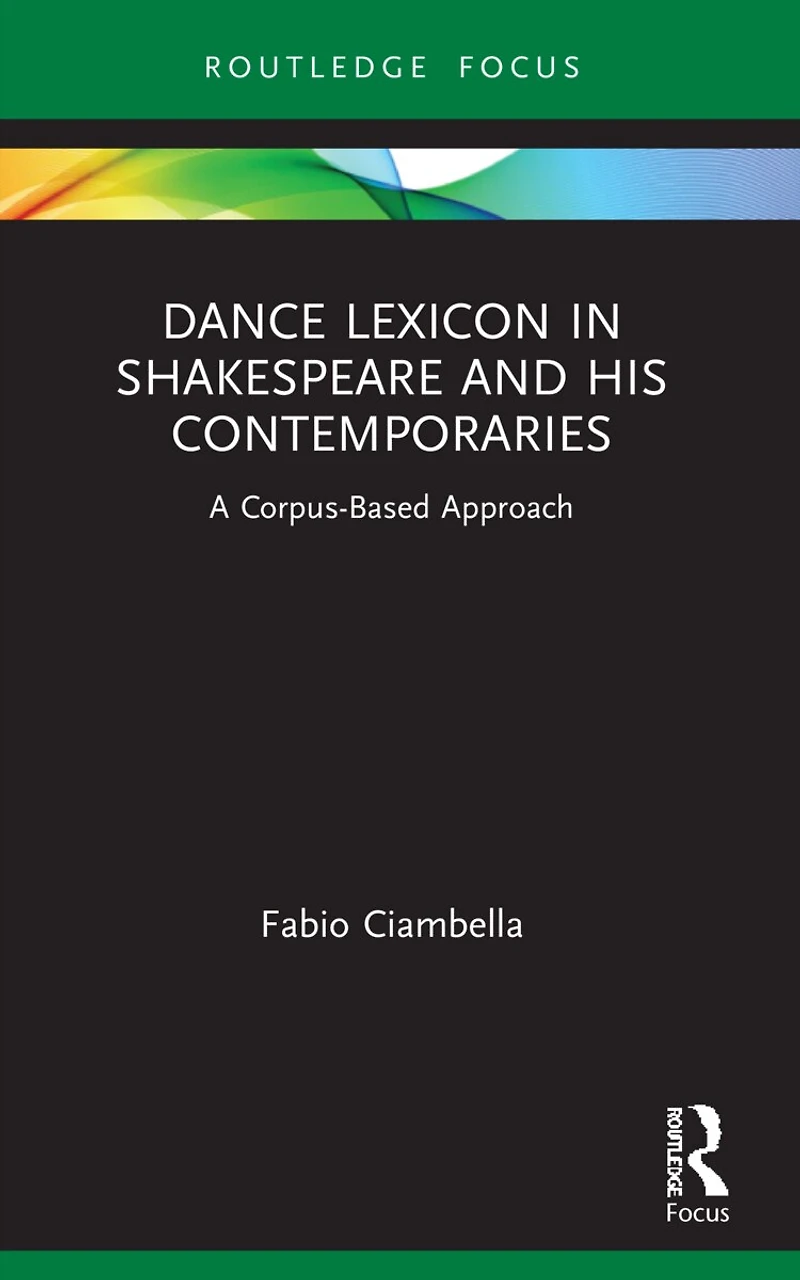
Dance Lexicon Shakespeare and His Contemporaries: A Corpus Based Approach
Current price: $108.50

Dance Lexicon Shakespeare and His Contemporaries: A Corpus Based Approach
Current price: $108.50
Loading Inventory...
Size: Hardcover
*Product information may vary - to confirm product availability, pricing, shipping and return information please contact Indigo
This book provides a thorough analysis of terpsichorean lexis in Renaissance drama. Besides considering not only the Shakespearean canon but also the Bard's contemporaries (e.g., dramatists as John Marston and Ben Jonson among the most reï¬ned Renaissance dance aï¬cionados), the originality of this volume is highlighted in both its methodology and structure. As far as methods of analysis are concerned, corpora such as the VEP Early Modern Drama collection and EEBO, and corpus analysis tools such as #LancsBox are used in order to offer the widest range of examples possible from early modern plays and provide co-textual references for each dance. Examples from Renaissance playwrights are fundamental for the analysis of connotative meanings of the dances listed and their performative, poetic and metaphoric role in sixteenth- and seventeenth-century drama. This study will be of great interest to Renaissance researchers, lexicographers and dance historians.
This book provides a thorough analysis of terpsichorean lexis in Renaissance drama. Besides considering not only the Shakespearean canon but also the Bard's contemporaries (e.g., dramatists as John Marston and Ben Jonson among the most reï¬ned Renaissance dance aï¬cionados), the originality of this volume is highlighted in both its methodology and structure. As far as methods of analysis are concerned, corpora such as the VEP Early Modern Drama collection and EEBO, and corpus analysis tools such as #LancsBox are used in order to offer the widest range of examples possible from early modern plays and provide co-textual references for each dance. Examples from Renaissance playwrights are fundamental for the analysis of connotative meanings of the dances listed and their performative, poetic and metaphoric role in sixteenth- and seventeenth-century drama. This study will be of great interest to Renaissance researchers, lexicographers and dance historians.
You May Also Like







More About Indigo at Erin Mills Town Centre
The largest book retailer in Canada also offers toys, music, home décor, gifts and lifestyle products. What's Inside...Books, Magazines, CD’s and DVD’s, Toys and Gifts, Home Accents, Electronics, Baby’s and Children’s Section, Bath and Body, Kitchen and Bedroom, Stationary Located outside in the exterior plaza.
5015 Glen Erin Dr, Mississauga, ON L5M 0R7, Canada
Find Indigo at Erin Mills Town Centre in Mississauga ON
Visit Indigo at Erin Mills Town Centre in Mississauga ON