

GIVE THE PERFECT GIFT
Erin Mills Town Centre Gift Cards are the perfect choice for your gift giving needs.Purchase gift cards at kiosks near the food court or centre court, at Guest Services, or click below to purchase online.PURCHASE HEREHome
Dealing, Music and Youth Violence: Neighbourhood Relational Change, Isolation Criminality
Indigo
Loading Inventory...
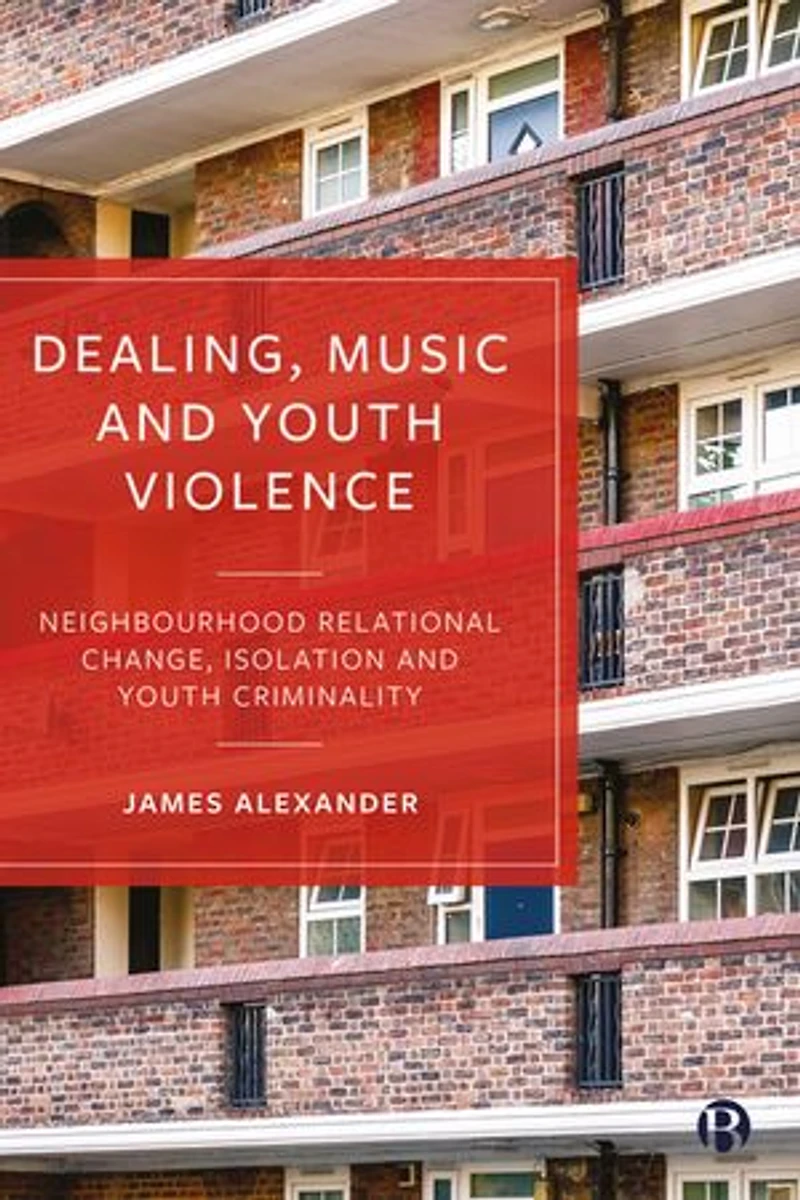
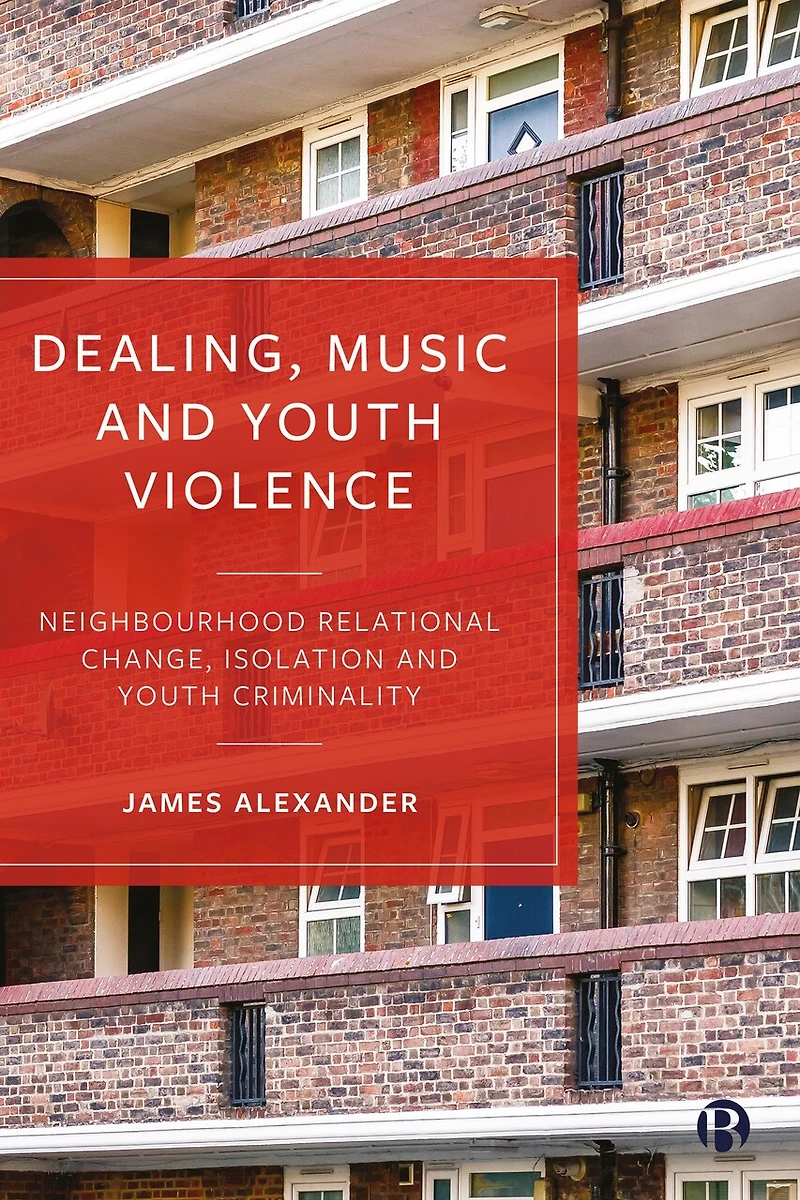
Dealing, Music and Youth Violence: Neighbourhood Relational Change, Isolation Criminality
Current price: $43.99
Original price: $54.99

Dealing, Music and Youth Violence: Neighbourhood Relational Change, Isolation Criminality
Current price: $43.99
Original price: $54.99
Loading Inventory...
Size: Kobo eBook
*Product information may vary - to confirm product availability, pricing, shipping and return information please contact Indigo
Depending on their dynamics, neighbourhoods may serve to contain or exacerbate youth violence. This book uses fascinating ethnographic and interview data to explore the disappearance of localized relationships in a South London housing estate. Through a comparative analysis of the experiences of different generations, James Alexander considers the impact of both wider socio-economic developments and the gradual move from neighbourly to professional support for young people.
As well as evaluating the effectiveness of youth work programmes, he considers how the actions of neighbours and the decisions of policymakers influence how supported young people feel and, consequently, their vulnerability to criminal influences.
Depending on their dynamics, neighbourhoods may serve to contain or exacerbate youth violence. This book uses fascinating ethnographic and interview data to explore the disappearance of localized relationships in a South London housing estate. Through a comparative analysis of the experiences of different generations, James Alexander considers the impact of both wider socio-economic developments and the gradual move from neighbourly to professional support for young people.
As well as evaluating the effectiveness of youth work programmes, he considers how the actions of neighbours and the decisions of policymakers influence how supported young people feel and, consequently, their vulnerability to criminal influences.
You May Also Like












More About Indigo at Erin Mills Town Centre
The largest book retailer in Canada also offers toys, music, home décor, gifts and lifestyle products. What's Inside...Books, Magazines, CD’s and DVD’s, Toys and Gifts, Home Accents, Electronics, Baby’s and Children’s Section, Bath and Body, Kitchen and Bedroom, Stationary Located outside in the exterior plaza.
5015 Glen Erin Dr, Mississauga, ON L5M 0R7, Canada
Find Indigo at Erin Mills Town Centre in Mississauga ON
Visit Indigo at Erin Mills Town Centre in Mississauga ON