

GIVE THE PERFECT GIFT
Erin Mills Town Centre Gift Cards are the perfect choice for your gift giving needs.Purchase gift cards at kiosks near the food court or centre court, at Guest Services, or click below to purchase online.PURCHASE HEREHome
Death by Prison: The Emergence of Life without Parole and Perpetual Confinement
Indigo
Loading Inventory...
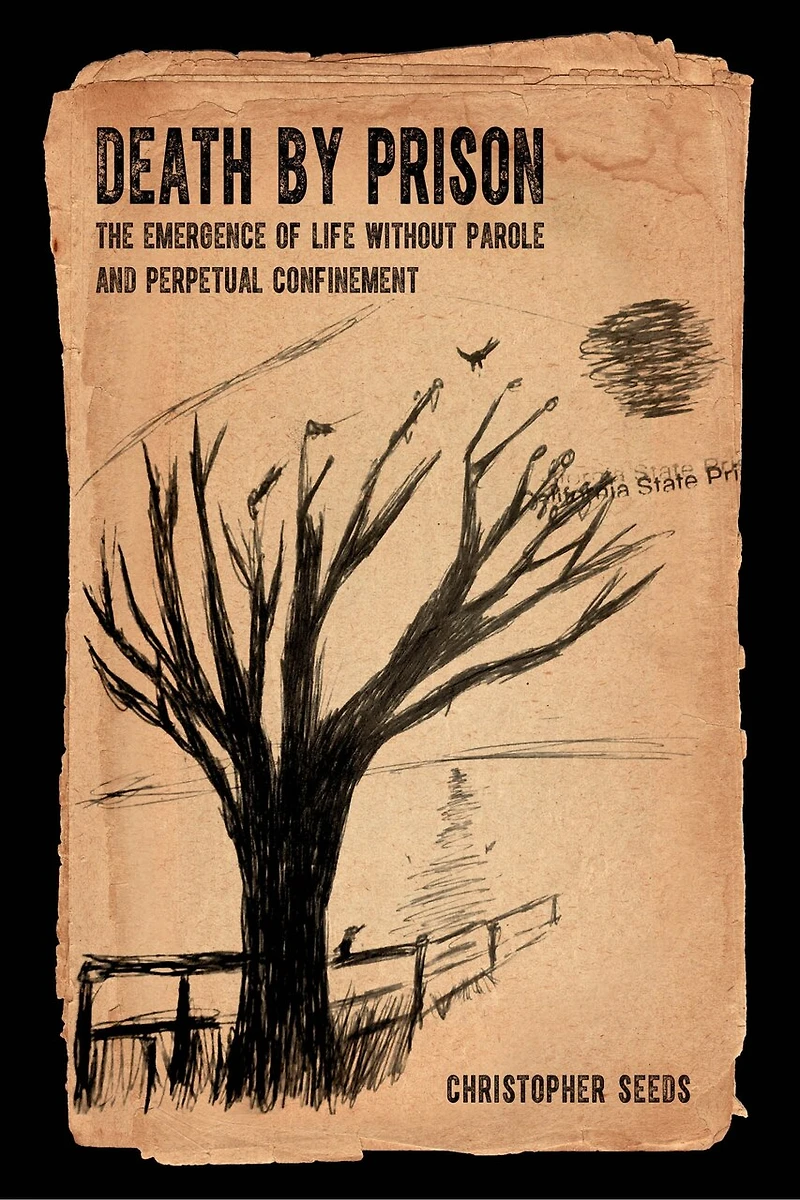
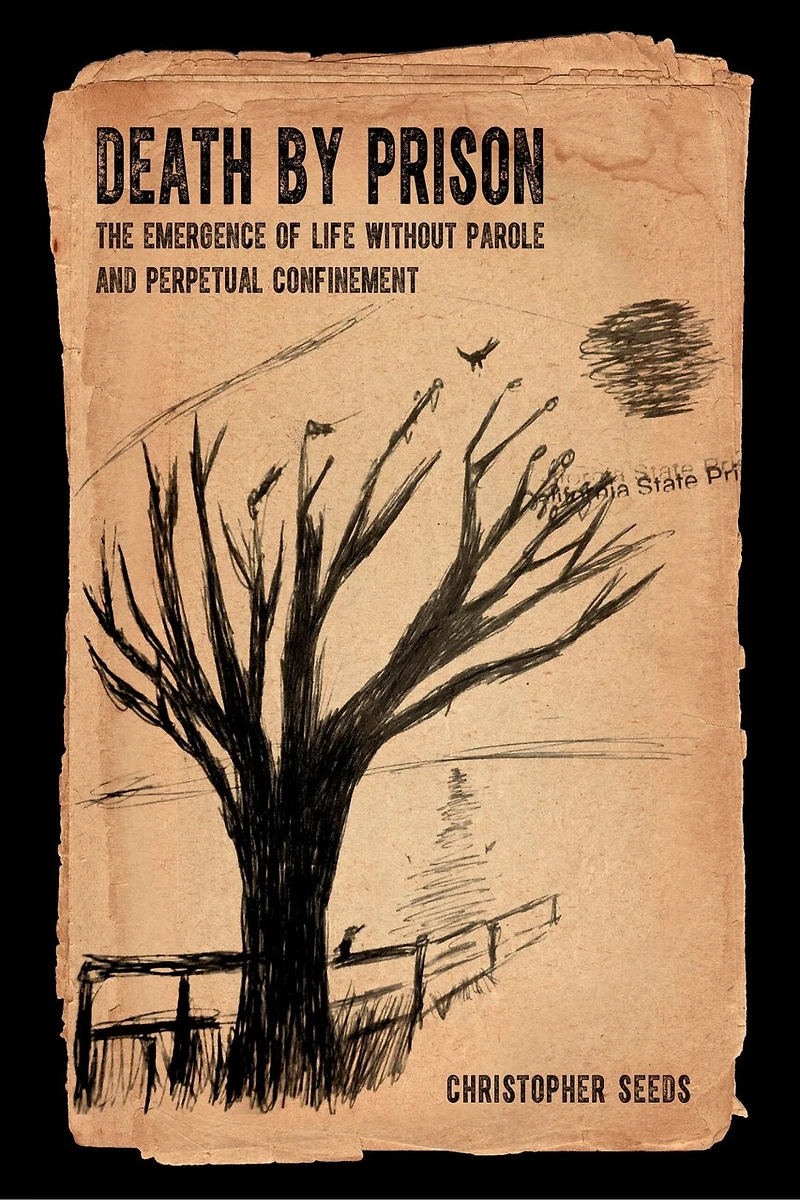
Death by Prison: The Emergence of Life without Parole and Perpetual Confinement
Current price: $122.46

Death by Prison: The Emergence of Life without Parole and Perpetual Confinement
Current price: $122.46
Loading Inventory...
Size: Hardcover
*Product information may vary - to confirm product availability, pricing, shipping and return information please contact Indigo
In recent decades, life imprisonment without the possibility of parole (LWOP) has developed into a distinctive penal form in the United States, one firmly entrenched in US policy-making, judicial and prosecutorial decision-making, correctional practice, and public discourse. LWOP is now a routine practice, but how it came to be so remains in question. Fifty years ago, imprisonment of a person until death was an extraordinary punishment; today, it accounts for the sentences of an increasing number of prisoners in the United States. What explains the shifts in penal practice and social imagination by which we have become accustomed to imprisoning people until death without any reevaluation or expectation of release? Combining a wide historical lens with detailed state- and institutional-level research, Death by Prison offers a provocative new foundation for questioning this deeply problematic practice that has escaped close scrutiny for too long.
In recent decades, life imprisonment without the possibility of parole (LWOP) has developed into a distinctive penal form in the United States, one firmly entrenched in US policy-making, judicial and prosecutorial decision-making, correctional practice, and public discourse. LWOP is now a routine practice, but how it came to be so remains in question. Fifty years ago, imprisonment of a person until death was an extraordinary punishment; today, it accounts for the sentences of an increasing number of prisoners in the United States. What explains the shifts in penal practice and social imagination by which we have become accustomed to imprisoning people until death without any reevaluation or expectation of release? Combining a wide historical lens with detailed state- and institutional-level research, Death by Prison offers a provocative new foundation for questioning this deeply problematic practice that has escaped close scrutiny for too long.
You May Also Like















More About Indigo at Erin Mills Town Centre
The largest book retailer in Canada also offers toys, music, home décor, gifts and lifestyle products. What's Inside...Books, Magazines, CD’s and DVD’s, Toys and Gifts, Home Accents, Electronics, Baby’s and Children’s Section, Bath and Body, Kitchen and Bedroom, Stationary Located outside in the exterior plaza.
5015 Glen Erin Dr, Mississauga, ON L5M 0R7, Canada
Find Indigo at Erin Mills Town Centre in Mississauga ON
Visit Indigo at Erin Mills Town Centre in Mississauga ON