

GIVE THE PERFECT GIFT
Erin Mills Town Centre Gift Cards are the perfect choice for your gift giving needs.Purchase gift cards at kiosks near the food court or centre court, at Guest Services, or click below to purchase online.PURCHASE HEREHome
Debating Authenticity: Authorship, Aesthetics and Embodiment in Trans Media
Indigo
Loading Inventory...
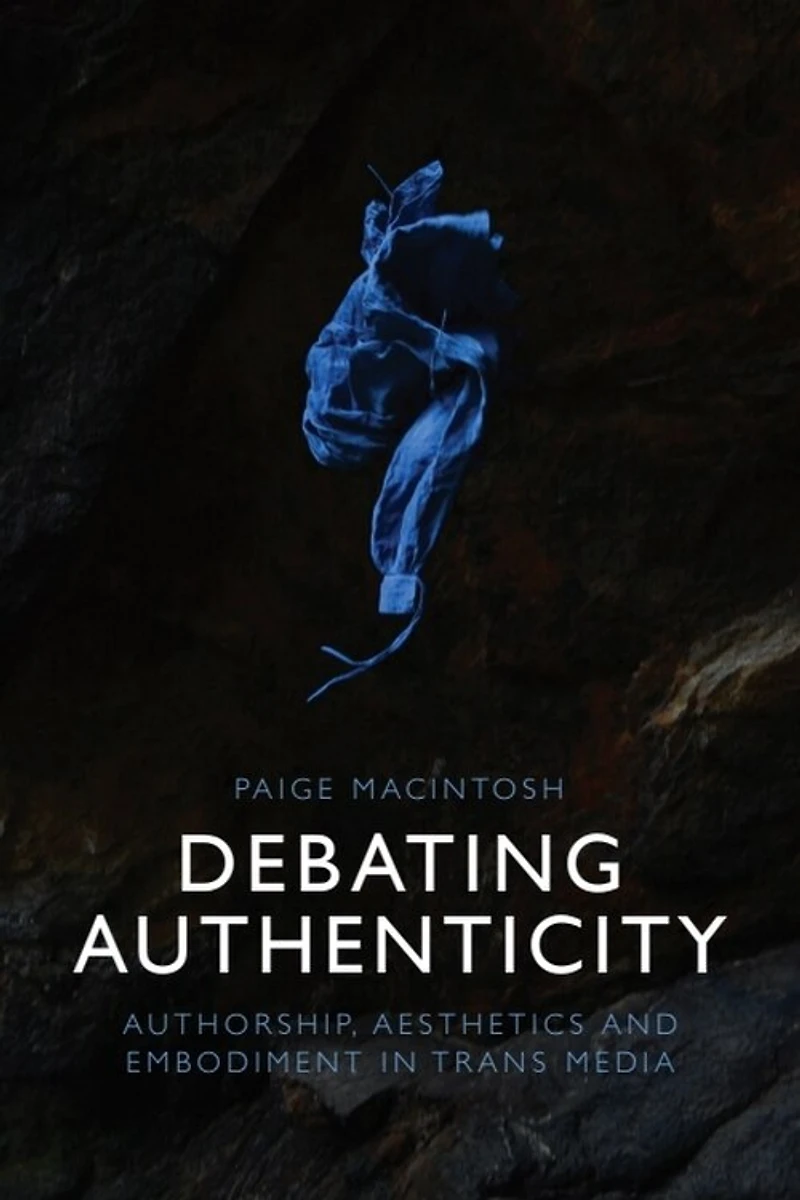
Debating Authenticity: Authorship, Aesthetics and Embodiment in Trans Media
Current price: $162.99

Debating Authenticity: Authorship, Aesthetics and Embodiment in Trans Media
Current price: $162.99
Loading Inventory...
Size: Hardcover
*Product information may vary - to confirm product availability, pricing, shipping and return information please contact Indigo
Debating Authenticity merges phenomenology, paratextual analysis, genre studies, cultural theory, and trans scholarship to investigate emerging debates regarding trans media’s authorship, authenticity, and aesthetics across the first two decades of the twenty-first century. By questioning how trans people, both on-and offscreen, are deployed within mainstream cultural industries as representatives of political and cultural progressiveness Paige Macintosh interrogates consultancy roles and their authorship status. Building on trans scholars’ new attention to trans aesthetics, they also consider how scholars might productively counter the charged debates currently informing trans media scholarship by reconsidering the categorisation of trans media and beginning to reroute the power of canonisation from cis industry elites to trans viewers. Looking to genre studies – particularly the intersections of gothic horror, science fiction, and spectacle-driven genres like the musical or melodrama – Macintosh outlines their own variation of trans aesthetics, one that is capable of countering trans cinemas melancholic tendencies.
Debating Authenticity merges phenomenology, paratextual analysis, genre studies, cultural theory, and trans scholarship to investigate emerging debates regarding trans media’s authorship, authenticity, and aesthetics across the first two decades of the twenty-first century. By questioning how trans people, both on-and offscreen, are deployed within mainstream cultural industries as representatives of political and cultural progressiveness Paige Macintosh interrogates consultancy roles and their authorship status. Building on trans scholars’ new attention to trans aesthetics, they also consider how scholars might productively counter the charged debates currently informing trans media scholarship by reconsidering the categorisation of trans media and beginning to reroute the power of canonisation from cis industry elites to trans viewers. Looking to genre studies – particularly the intersections of gothic horror, science fiction, and spectacle-driven genres like the musical or melodrama – Macintosh outlines their own variation of trans aesthetics, one that is capable of countering trans cinemas melancholic tendencies.
You May Also Like










More About Indigo at Erin Mills Town Centre
The largest book retailer in Canada also offers toys, music, home décor, gifts and lifestyle products. What's Inside...Books, Magazines, CD’s and DVD’s, Toys and Gifts, Home Accents, Electronics, Baby’s and Children’s Section, Bath and Body, Kitchen and Bedroom, Stationary Located outside in the exterior plaza.
5015 Glen Erin Dr, Mississauga, ON L5M 0R7, Canada
Find Indigo at Erin Mills Town Centre in Mississauga ON
Visit Indigo at Erin Mills Town Centre in Mississauga ON