

GIVE THE PERFECT GIFT
Erin Mills Town Centre Gift Cards are the perfect choice for your gift giving needs.Purchase gift cards at kiosks near the food court or centre court, at Guest Services, or click below to purchase online.PURCHASE HEREHome
Debt Sustainability: A Global Perspective
Indigo
Loading Inventory...
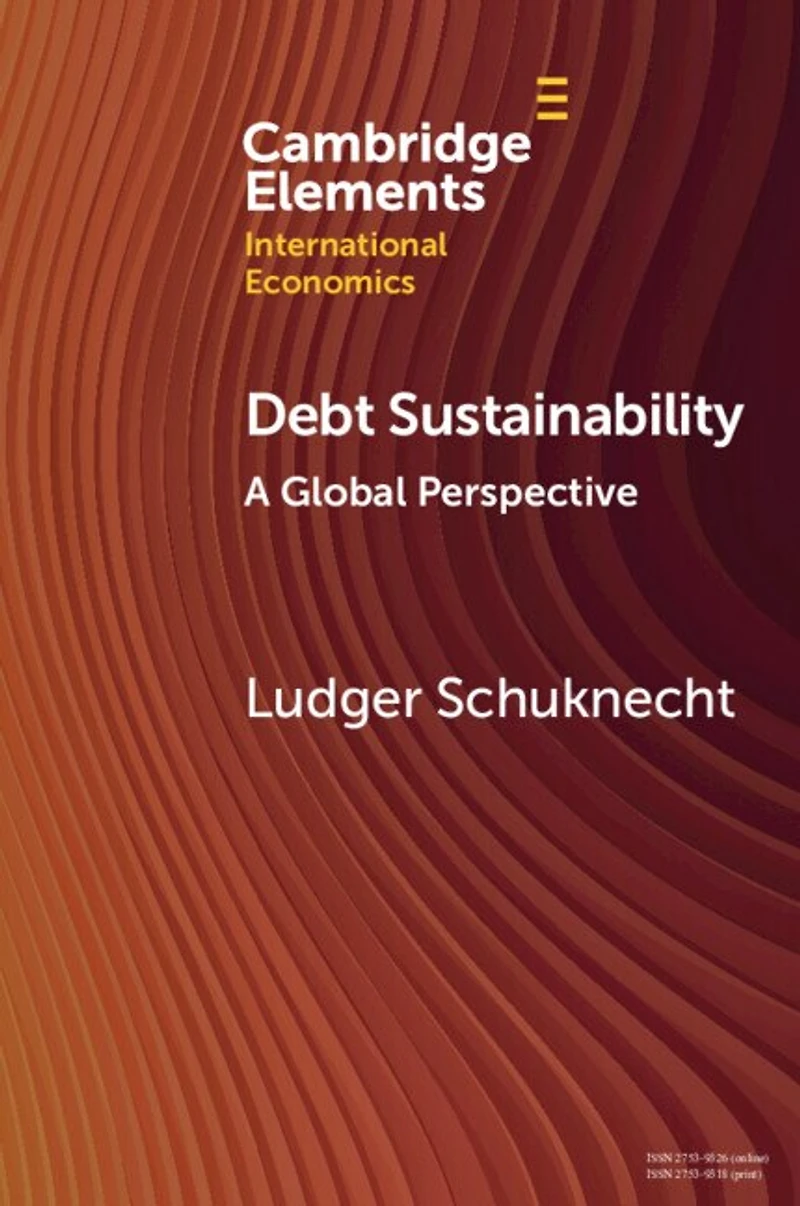
Debt Sustainability: A Global Perspective
Current price: $29.54

Debt Sustainability: A Global Perspective
Current price: $29.54
Loading Inventory...
Size: Paperback
*Product information may vary - to confirm product availability, pricing, shipping and return information please contact Indigo
This study presents the facts, arguments and scenarios around public debt from a global perspective. Especially the largest economies feature record debt and fiscal risks, including from population ageing and financial imbalances. Given low interest rates, there is no imminent problem. But at some point, debt will have to come down. There are four possible scenarios how debt could come down. First, governments could economise and reform. Second, governments could default. Third, governments could erode the real value of debt via inflation and negative real interest rates. However, this scenario cannot continue forever. Policy errors can prompt a loss of confidence, destabilisation and crisis. This fourth scenario last included the largest economies in the 1970s. It would become a major global challenge if it were to happen again in today's interconnected world.
This study presents the facts, arguments and scenarios around public debt from a global perspective. Especially the largest economies feature record debt and fiscal risks, including from population ageing and financial imbalances. Given low interest rates, there is no imminent problem. But at some point, debt will have to come down. There are four possible scenarios how debt could come down. First, governments could economise and reform. Second, governments could default. Third, governments could erode the real value of debt via inflation and negative real interest rates. However, this scenario cannot continue forever. Policy errors can prompt a loss of confidence, destabilisation and crisis. This fourth scenario last included the largest economies in the 1970s. It would become a major global challenge if it were to happen again in today's interconnected world.
You May Also Like







More About Indigo at Erin Mills Town Centre
The largest book retailer in Canada also offers toys, music, home décor, gifts and lifestyle products. What's Inside...Books, Magazines, CD’s and DVD’s, Toys and Gifts, Home Accents, Electronics, Baby’s and Children’s Section, Bath and Body, Kitchen and Bedroom, Stationary Located outside in the exterior plaza.
5015 Glen Erin Dr, Mississauga, ON L5M 0R7, Canada
Find Indigo at Erin Mills Town Centre in Mississauga ON
Visit Indigo at Erin Mills Town Centre in Mississauga ON