

GIVE THE PERFECT GIFT
Erin Mills Town Centre Gift Cards are the perfect choice for your gift giving needs.Purchase gift cards at kiosks near the food court or centre court, at Guest Services, or click below to purchase online.PURCHASE HEREHome
Decentralization, Democratization, and Informal Power Mexico
Indigo
Loading Inventory...
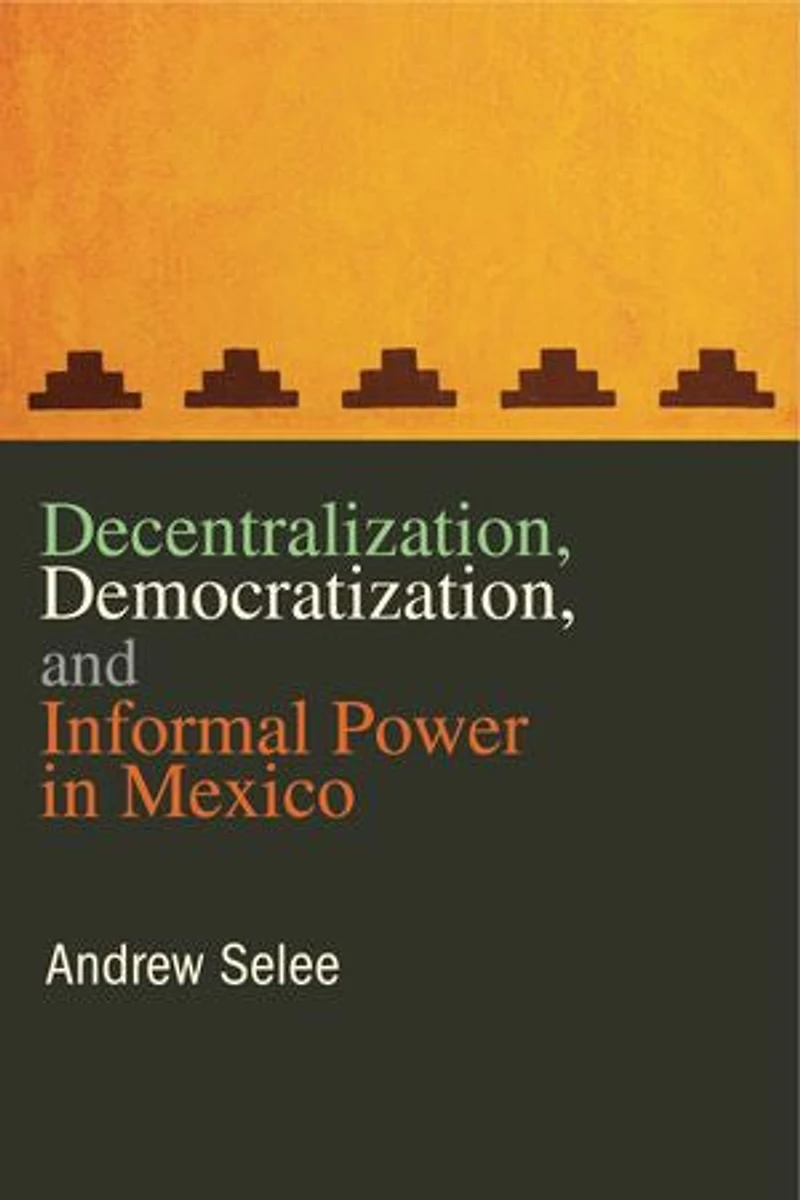
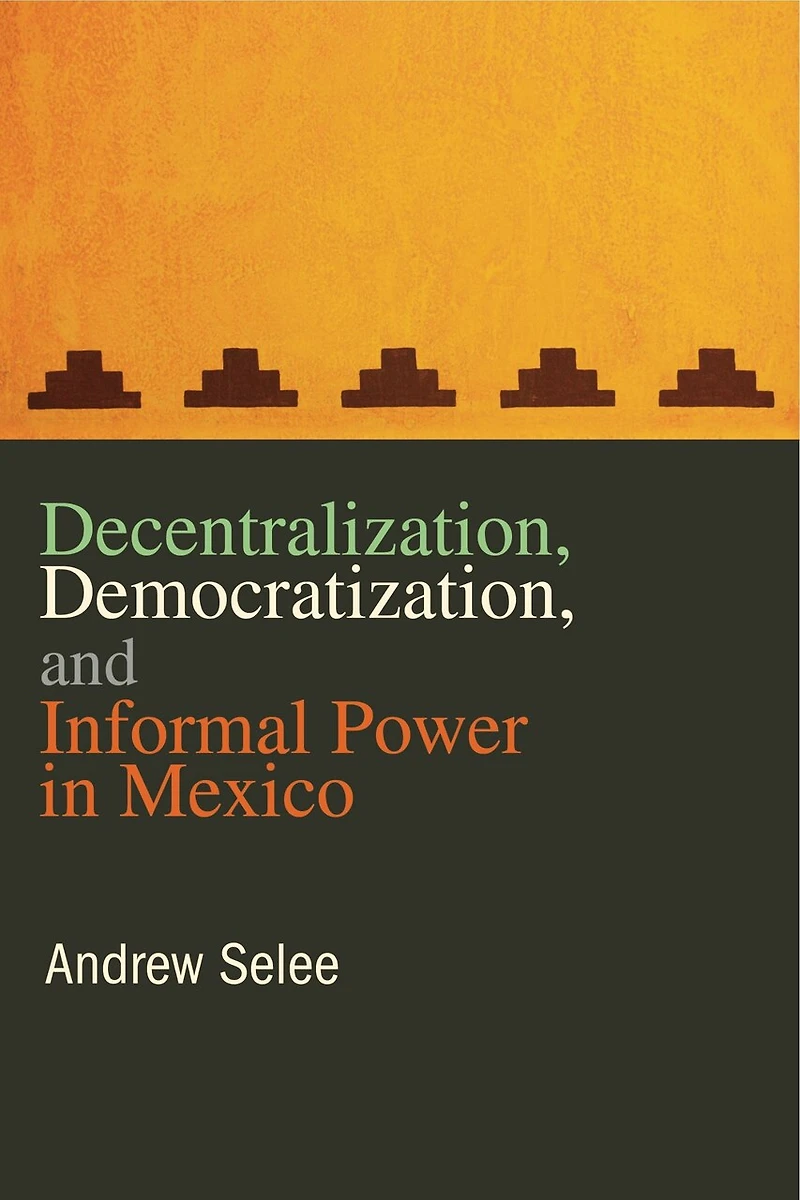
Decentralization, Democratization, and Informal Power Mexico
Current price: $36.79
Original price: $45.99

Decentralization, Democratization, and Informal Power Mexico
Current price: $36.79
Original price: $45.99
Loading Inventory...
Size: Kobo eBook
*Product information may vary - to confirm product availability, pricing, shipping and return information please contact Indigo
In the last two decades of the twentieth century, many countries in Latin America freed themselves from the burden of their authoritarian pasts and developed democratic political systems. At the same time, they began a process of shifting many governmental responsibilities from the national to the state and local levels. Much has been written about how decentralization has fostered democratization, but informal power relationships inherited from the past have complicated the ways in which citizens voice their concerns and have undermined the accountability of elected officials. In this book, Andrew Selee seeks to illuminate the complex linkages between informal and formal power by comparing how they worked in three Mexican cities. The process of decentralization is shown to have been intermediated by existing spheres of political influence, which in turn helped determine how much the institution of multiparty democracy in the country could succeed in bringing democracy “closer to home.”
In the last two decades of the twentieth century, many countries in Latin America freed themselves from the burden of their authoritarian pasts and developed democratic political systems. At the same time, they began a process of shifting many governmental responsibilities from the national to the state and local levels. Much has been written about how decentralization has fostered democratization, but informal power relationships inherited from the past have complicated the ways in which citizens voice their concerns and have undermined the accountability of elected officials. In this book, Andrew Selee seeks to illuminate the complex linkages between informal and formal power by comparing how they worked in three Mexican cities. The process of decentralization is shown to have been intermediated by existing spheres of political influence, which in turn helped determine how much the institution of multiparty democracy in the country could succeed in bringing democracy “closer to home.”
You May Also Like








More About Indigo at Erin Mills Town Centre
The largest book retailer in Canada also offers toys, music, home décor, gifts and lifestyle products. What's Inside...Books, Magazines, CD’s and DVD’s, Toys and Gifts, Home Accents, Electronics, Baby’s and Children’s Section, Bath and Body, Kitchen and Bedroom, Stationary Located outside in the exterior plaza.
5015 Glen Erin Dr, Mississauga, ON L5M 0R7, Canada
Find Indigo at Erin Mills Town Centre in Mississauga ON
Visit Indigo at Erin Mills Town Centre in Mississauga ON