

GIVE THE PERFECT GIFT
Erin Mills Town Centre Gift Cards are the perfect choice for your gift giving needs.Purchase gift cards at kiosks near the food court or centre court, at Guest Services, or click below to purchase online.PURCHASE HEREHome
Decolonising Digital Media and Indigenisation of Participatory Epistemologies: Languages the Global South
Indigo
Loading Inventory...
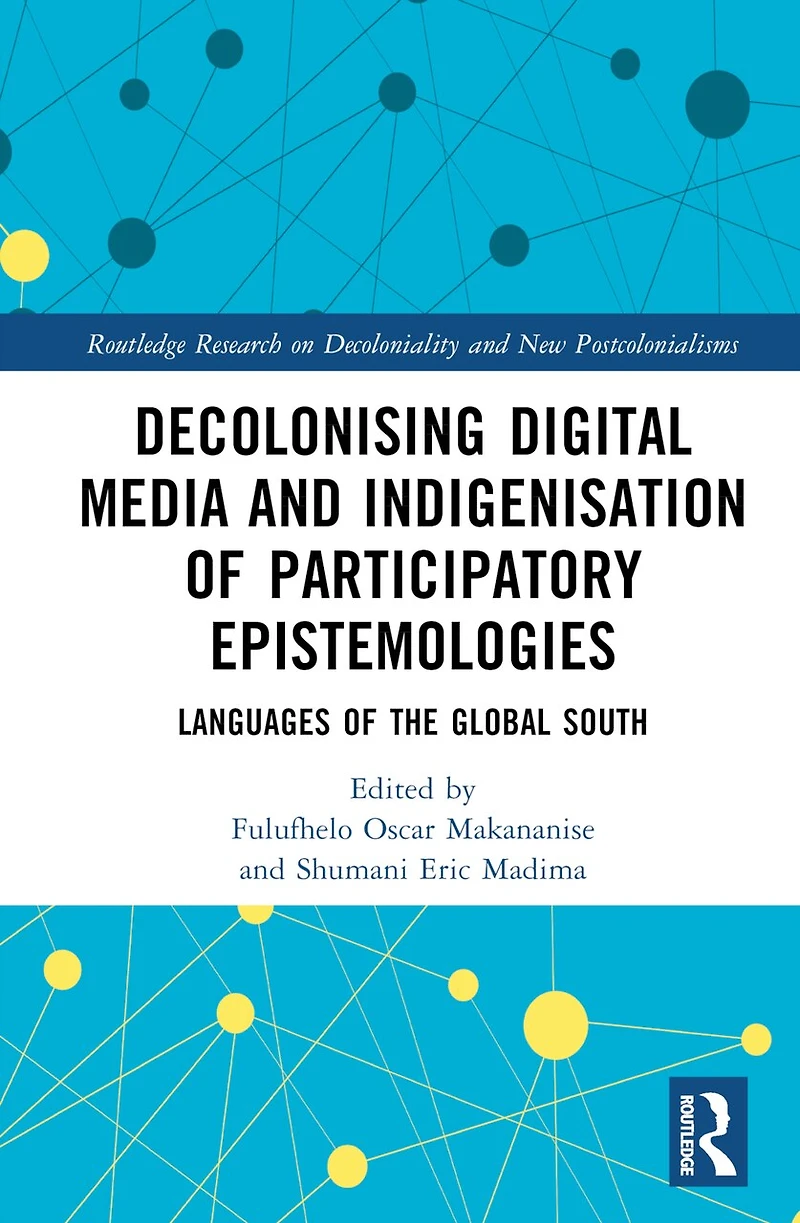

Decolonising Digital Media and Indigenisation of Participatory Epistemologies: Languages the Global South
Current price: $296.50

Decolonising Digital Media and Indigenisation of Participatory Epistemologies: Languages the Global South
Current price: $296.50
Loading Inventory...
Size: Hardcover
*Product information may vary - to confirm product availability, pricing, shipping and return information please contact Indigo
The book provides valuable insights on decolonising the digital media landscape and the indigenisation of participatory epistemologies to continue the legacies of indigenous languages in the global South. It is one of its kind as it climaxes that the construction phase of self-determining and redefining among the global South societies is an essential step towards decolonising the digital landscape and ensuring that indigenous voices and worldviews are equally infused, represented, and privileged in the process of higher-level communication, exchanging epistemic philosophies, and knowledge expressions. The book employs an interdisciplinary approach to engage in the use of digital media as a sphere for resistance and knowledge transformation against the persistent colonialism of power through dominant non-indigenous languages and scientific epistemic systems. It further advocates that decolonising digital media spaces through appreciating participatory epistemologies and their languages can help promote the inclusion and empowerment of indigenous communities. It indicates that the decolonial process can also help to redress the historical and ongoing injustices that have disadvantaged many indigenous communities in the global South and contributed to their marginalisation. This book will appeal to undergraduate and graduate students, scholars, and academics in communication, media studies, languages, linguistics, cultural studies, and indigenous knowledge systems in higher education institutions. It will be a valuable resource for those interested in epistemologies of the South, decoloniality, postcoloniality, indigenisation, participatory knowledge, indigenous language legacies, indigenous artificial intelligence, and digital media in the Fourth Industrial Revolution.
The book provides valuable insights on decolonising the digital media landscape and the indigenisation of participatory epistemologies to continue the legacies of indigenous languages in the global South. It is one of its kind as it climaxes that the construction phase of self-determining and redefining among the global South societies is an essential step towards decolonising the digital landscape and ensuring that indigenous voices and worldviews are equally infused, represented, and privileged in the process of higher-level communication, exchanging epistemic philosophies, and knowledge expressions. The book employs an interdisciplinary approach to engage in the use of digital media as a sphere for resistance and knowledge transformation against the persistent colonialism of power through dominant non-indigenous languages and scientific epistemic systems. It further advocates that decolonising digital media spaces through appreciating participatory epistemologies and their languages can help promote the inclusion and empowerment of indigenous communities. It indicates that the decolonial process can also help to redress the historical and ongoing injustices that have disadvantaged many indigenous communities in the global South and contributed to their marginalisation. This book will appeal to undergraduate and graduate students, scholars, and academics in communication, media studies, languages, linguistics, cultural studies, and indigenous knowledge systems in higher education institutions. It will be a valuable resource for those interested in epistemologies of the South, decoloniality, postcoloniality, indigenisation, participatory knowledge, indigenous language legacies, indigenous artificial intelligence, and digital media in the Fourth Industrial Revolution.
You May Also Like












More About Indigo at Erin Mills Town Centre
The largest book retailer in Canada also offers toys, music, home décor, gifts and lifestyle products. What's Inside...Books, Magazines, CD’s and DVD’s, Toys and Gifts, Home Accents, Electronics, Baby’s and Children’s Section, Bath and Body, Kitchen and Bedroom, Stationary Located outside in the exterior plaza.
5015 Glen Erin Dr, Mississauga, ON L5M 0R7, Canada
Find Indigo at Erin Mills Town Centre in Mississauga ON
Visit Indigo at Erin Mills Town Centre in Mississauga ON