

GIVE THE PERFECT GIFT
Erin Mills Town Centre Gift Cards are the perfect choice for your gift giving needs.Purchase gift cards at kiosks near the food court or centre court, at Guest Services, or click below to purchase online.PURCHASE HEREHome
Decolonizing Epistemologies and Worldviews Education: New Ways of Knowing Education Policy
Indigo
Loading Inventory...
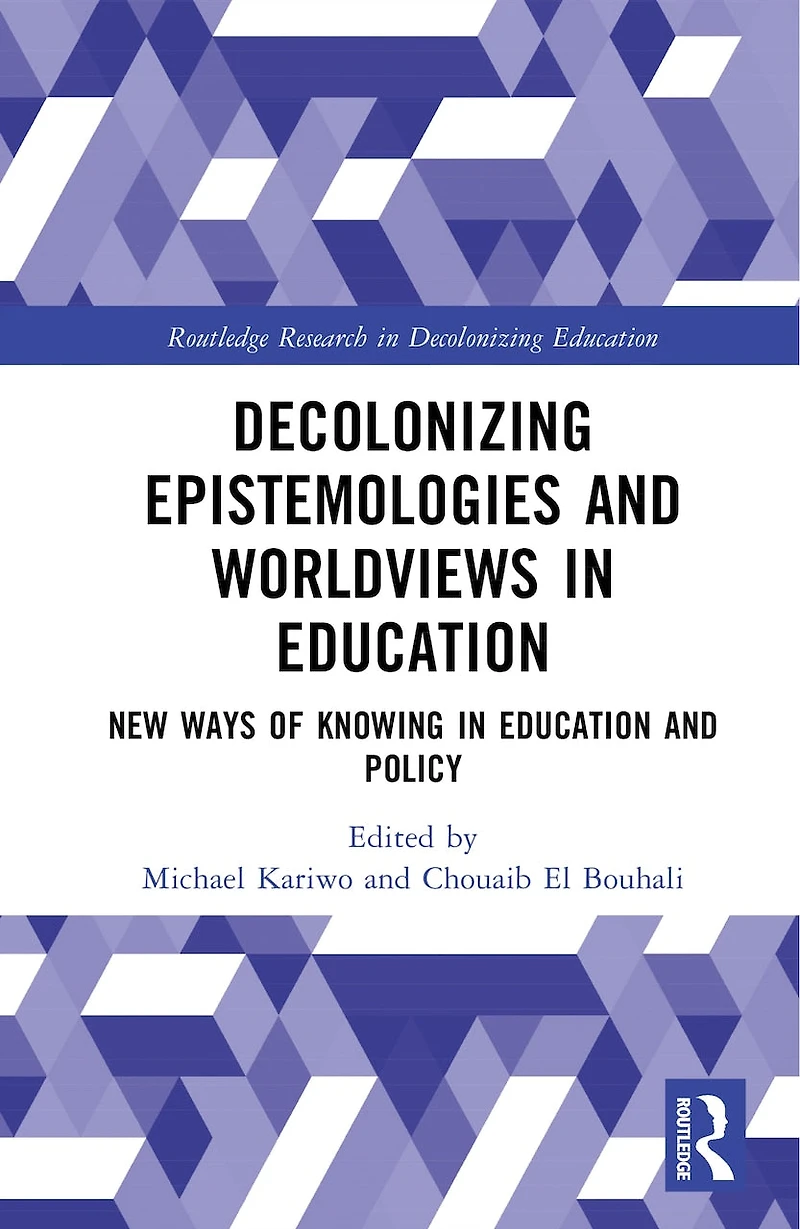
Decolonizing Epistemologies and Worldviews Education: New Ways of Knowing Education Policy
Current price: $296.50

Decolonizing Epistemologies and Worldviews Education: New Ways of Knowing Education Policy
Current price: $296.50
Loading Inventory...
Size: Hardcover
*Product information may vary - to confirm product availability, pricing, shipping and return information please contact Indigo
This edited volume examines the decolonization of worldviews and ways of knowing in education and educational policy. It critically challenges the Western interpretation of epistemology and ontology, providing a platform for contributors to demonstrate how concepts of decolonization, knowledge and worldviews are understood, as well as the impact of these understandings in creation of policies and practices in education and pedagogy. It also offers insight into related themes on student resilience, English language, the internationalization of western knowledge, indigenous paradigms, and curriculum transformation. Chapter authors present new understandings of decolonizing knowledge and diversity, analysis of non-Western and indigenous epistemologies and worldviews, and examples of implementation of equity in policy and education through case studies. Creating and initiating a platform for wider debate, it will ultimately appeal to scholars, researchers, policy makers and educational leaders concerned with decolonizing education and policy in North America and beyond, and with interests in indigenous education, decolonizing education, sociology of education, and philosophy of education.
This edited volume examines the decolonization of worldviews and ways of knowing in education and educational policy. It critically challenges the Western interpretation of epistemology and ontology, providing a platform for contributors to demonstrate how concepts of decolonization, knowledge and worldviews are understood, as well as the impact of these understandings in creation of policies and practices in education and pedagogy. It also offers insight into related themes on student resilience, English language, the internationalization of western knowledge, indigenous paradigms, and curriculum transformation. Chapter authors present new understandings of decolonizing knowledge and diversity, analysis of non-Western and indigenous epistemologies and worldviews, and examples of implementation of equity in policy and education through case studies. Creating and initiating a platform for wider debate, it will ultimately appeal to scholars, researchers, policy makers and educational leaders concerned with decolonizing education and policy in North America and beyond, and with interests in indigenous education, decolonizing education, sociology of education, and philosophy of education.
You May Also Like







More About Indigo at Erin Mills Town Centre
The largest book retailer in Canada also offers toys, music, home décor, gifts and lifestyle products. What's Inside...Books, Magazines, CD’s and DVD’s, Toys and Gifts, Home Accents, Electronics, Baby’s and Children’s Section, Bath and Body, Kitchen and Bedroom, Stationary Located outside in the exterior plaza.
5015 Glen Erin Dr, Mississauga, ON L5M 0R7, Canada
Find Indigo at Erin Mills Town Centre in Mississauga ON
Visit Indigo at Erin Mills Town Centre in Mississauga ON