

GIVE THE PERFECT GIFT
Erin Mills Town Centre Gift Cards are the perfect choice for your gift giving needs.Purchase gift cards at kiosks near the food court or centre court, at Guest Services, or click below to purchase online.PURCHASE HEREHome
Decolonizing Freedom
Indigo
Loading Inventory...
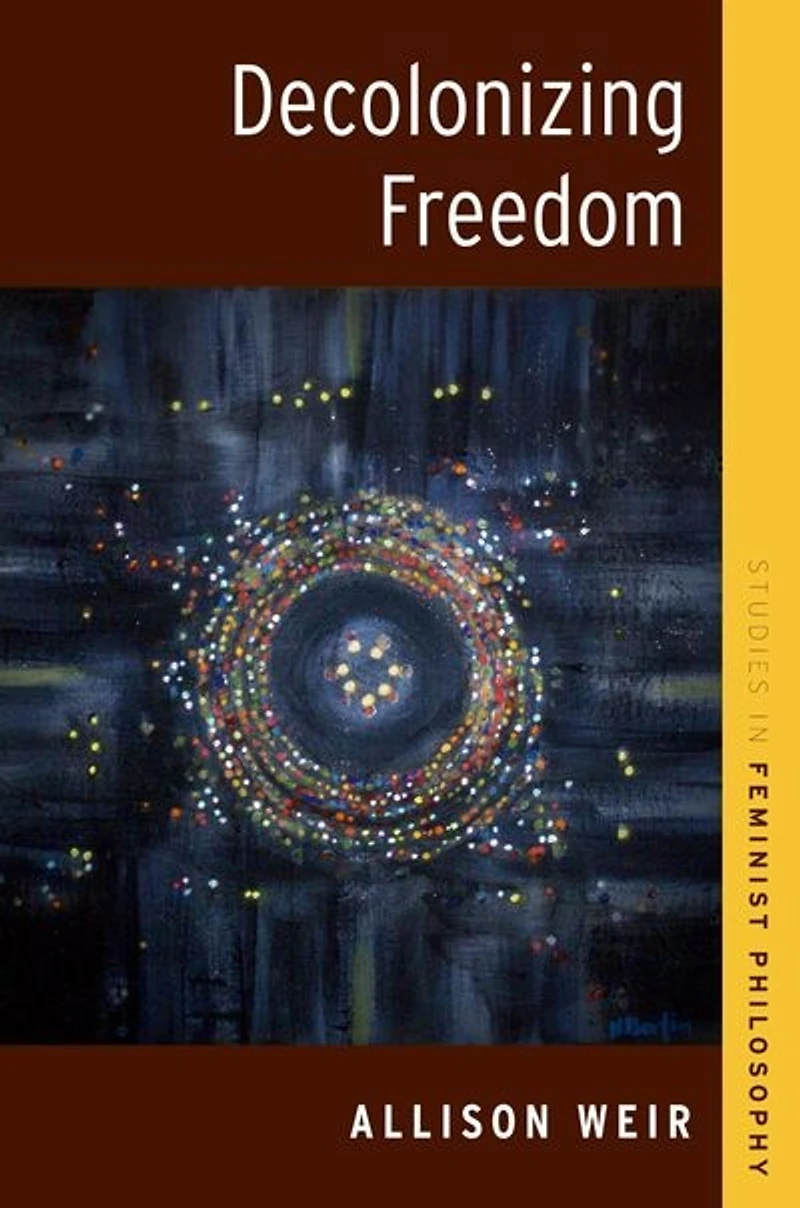
Decolonizing Freedom
Current price: $130.00

Decolonizing Freedom
Current price: $130.00
Loading Inventory...
Size: Hardcover
*Product information may vary - to confirm product availability, pricing, shipping and return information please contact Indigo
Freedom is celebrated as the definitive ideal of modern western civilization. Yet in western thought and practice, the freedom of some has typically been defined through opposition to the unfreedom of others. These exclusions are not secondary to a prior concept of freedom but are constitutive exclusions that have shaped the ways in which western theorists define what freedom is. Allison Weir draws on Indigenous political philosophies and practices of decolonization grounded in conceptions of relationality and resurgence, in dialogue with western philosophies, to reconstruct a tradition of relational freedom as a distinctive political conception of freedom: a radically democratic mode of engagement and participation in social and political relations with an infinite range of strange and diverse beings perceived as free agents in interdependent relations in a shared world. Through the work of Leanne Betasamosake Simpson, John Borrows, Glen Coulthard, Audra Simpson, Rauna Kuokkanen, Joanne Barker, Jodi Byrd, James Tully, and many others, this book traces a tradition of colonial unknowing in western conceptions of freedom from Hobbes through republican and critical theories, and explores a countertradition of relations between freedom and collective love, exemplified in Leanne Betasamosake Simpson's love of land and Hannah Arendt's love of the world . It considers Indigenous modes of world-creation as performative, affective, embodied strategies of democratic life, skilled modes of addressing diversity and conflict, fear and hostility, in practices of freedom that embrace polycentric knowledges and rooted dynamisms, in contexts of complexity and constant change. Weir argues that Indigenous women's struggles to belong to communities and participate in governance have engendered new theories of relational rights that combine politics of rights and resurgence, and calls for a coalitional politics guided by queer and feminist Indigenous models of transformative resurgence. Finally, Weir proposes an approach to critical theory as a practice of self-transformation through openness to the other, oriented toward relational freedom.
Freedom is celebrated as the definitive ideal of modern western civilization. Yet in western thought and practice, the freedom of some has typically been defined through opposition to the unfreedom of others. These exclusions are not secondary to a prior concept of freedom but are constitutive exclusions that have shaped the ways in which western theorists define what freedom is. Allison Weir draws on Indigenous political philosophies and practices of decolonization grounded in conceptions of relationality and resurgence, in dialogue with western philosophies, to reconstruct a tradition of relational freedom as a distinctive political conception of freedom: a radically democratic mode of engagement and participation in social and political relations with an infinite range of strange and diverse beings perceived as free agents in interdependent relations in a shared world. Through the work of Leanne Betasamosake Simpson, John Borrows, Glen Coulthard, Audra Simpson, Rauna Kuokkanen, Joanne Barker, Jodi Byrd, James Tully, and many others, this book traces a tradition of colonial unknowing in western conceptions of freedom from Hobbes through republican and critical theories, and explores a countertradition of relations between freedom and collective love, exemplified in Leanne Betasamosake Simpson's love of land and Hannah Arendt's love of the world . It considers Indigenous modes of world-creation as performative, affective, embodied strategies of democratic life, skilled modes of addressing diversity and conflict, fear and hostility, in practices of freedom that embrace polycentric knowledges and rooted dynamisms, in contexts of complexity and constant change. Weir argues that Indigenous women's struggles to belong to communities and participate in governance have engendered new theories of relational rights that combine politics of rights and resurgence, and calls for a coalitional politics guided by queer and feminist Indigenous models of transformative resurgence. Finally, Weir proposes an approach to critical theory as a practice of self-transformation through openness to the other, oriented toward relational freedom.
You May Also Like









More About Indigo at Erin Mills Town Centre
The largest book retailer in Canada also offers toys, music, home décor, gifts and lifestyle products. What's Inside...Books, Magazines, CD’s and DVD’s, Toys and Gifts, Home Accents, Electronics, Baby’s and Children’s Section, Bath and Body, Kitchen and Bedroom, Stationary Located outside in the exterior plaza.
5015 Glen Erin Dr, Mississauga, ON L5M 0R7, Canada
Find Indigo at Erin Mills Town Centre in Mississauga ON
Visit Indigo at Erin Mills Town Centre in Mississauga ON