

GIVE THE PERFECT GIFT
Erin Mills Town Centre Gift Cards are the perfect choice for your gift giving needs.Purchase gift cards at kiosks near the food court or centre court, at Guest Services, or click below to purchase online.PURCHASE HEREHome
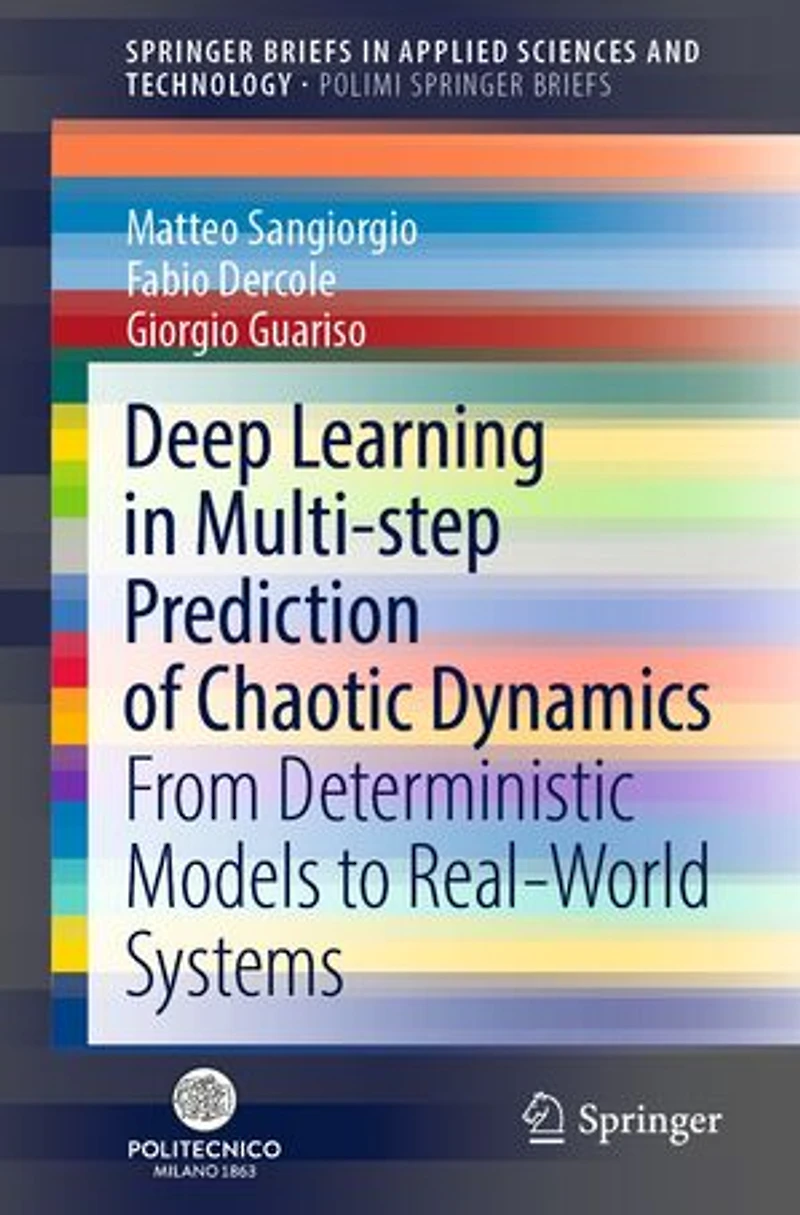
Deep Learning Multi-step Prediction of Chaotic Dynamics: From Deterministic Models to Real-World Systems
Indigo
Loading Inventory...
Deep Learning Multi-step Prediction of Chaotic Dynamics: From Deterministic Models to Real-World Systems
Current price: $70.99
Original price: $88.68

Deep Learning Multi-step Prediction of Chaotic Dynamics: From Deterministic Models to Real-World Systems
Current price: $70.99
Original price: $88.68
Loading Inventory...
Size: Kobo eBook
*Product information may vary - to confirm product availability, pricing, shipping and return information please contact Indigo
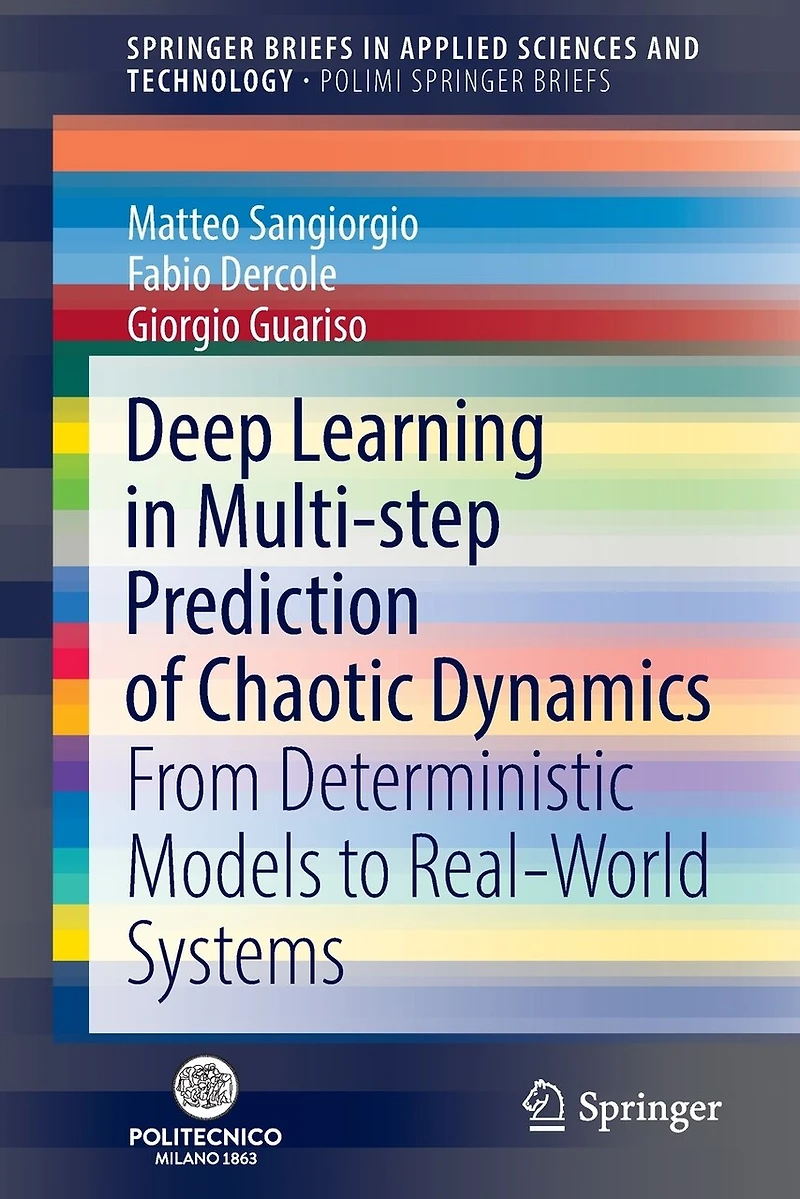
The book represents the first attempt to systematically deal with the use of deep neural networks to forecast chaotic time series. Differently from most of the current literature, it implements a multi-step approach, i.e., the forecast of an entire interval of future values. This is relevant for many applications, such as model predictive control, that requires predicting the values for the whole receding horizon. Going progressively from deterministic models with different degrees of complexity and chaoticity to noisy systems and then to real-world cases, the book compares the performances of various neural network architectures (feed-forward and recurrent). It also introduces an innovative and powerful approach for training recurrent structures specific for sequence-to-sequence tasks. The book also presents one of the first attempts in the context of environmental time series forecasting of applying transfer-learning techniques such as domain adaptation.
The book represents the first attempt to systematically deal with the use of deep neural networks to forecast chaotic time series. Differently from most of the current literature, it implements a multi-step approach, i.e., the forecast of an entire interval of future values. This is relevant for many applications, such as model predictive control, that requires predicting the values for the whole receding horizon. Going progressively from deterministic models with different degrees of complexity and chaoticity to noisy systems and then to real-world cases, the book compares the performances of various neural network architectures (feed-forward and recurrent). It also introduces an innovative and powerful approach for training recurrent structures specific for sequence-to-sequence tasks. The book also presents one of the first attempts in the context of environmental time series forecasting of applying transfer-learning techniques such as domain adaptation.
You May Also Like







More About Indigo at Erin Mills Town Centre
The largest book retailer in Canada also offers toys, music, home décor, gifts and lifestyle products. What's Inside...Books, Magazines, CD’s and DVD’s, Toys and Gifts, Home Accents, Electronics, Baby’s and Children’s Section, Bath and Body, Kitchen and Bedroom, Stationary Located outside in the exterior plaza.
5015 Glen Erin Dr, Mississauga, ON L5M 0R7, Canada
Find Indigo at Erin Mills Town Centre in Mississauga ON
Visit Indigo at Erin Mills Town Centre in Mississauga ON