

GIVE THE PERFECT GIFT
Erin Mills Town Centre Gift Cards are the perfect choice for your gift giving needs.Purchase gift cards at kiosks near the food court or centre court, at Guest Services, or click below to purchase online.PURCHASE HEREHome
Defending a Borderland: Canadian and American Environmental Activism the St. Lawrence Valley
Indigo
Loading Inventory...
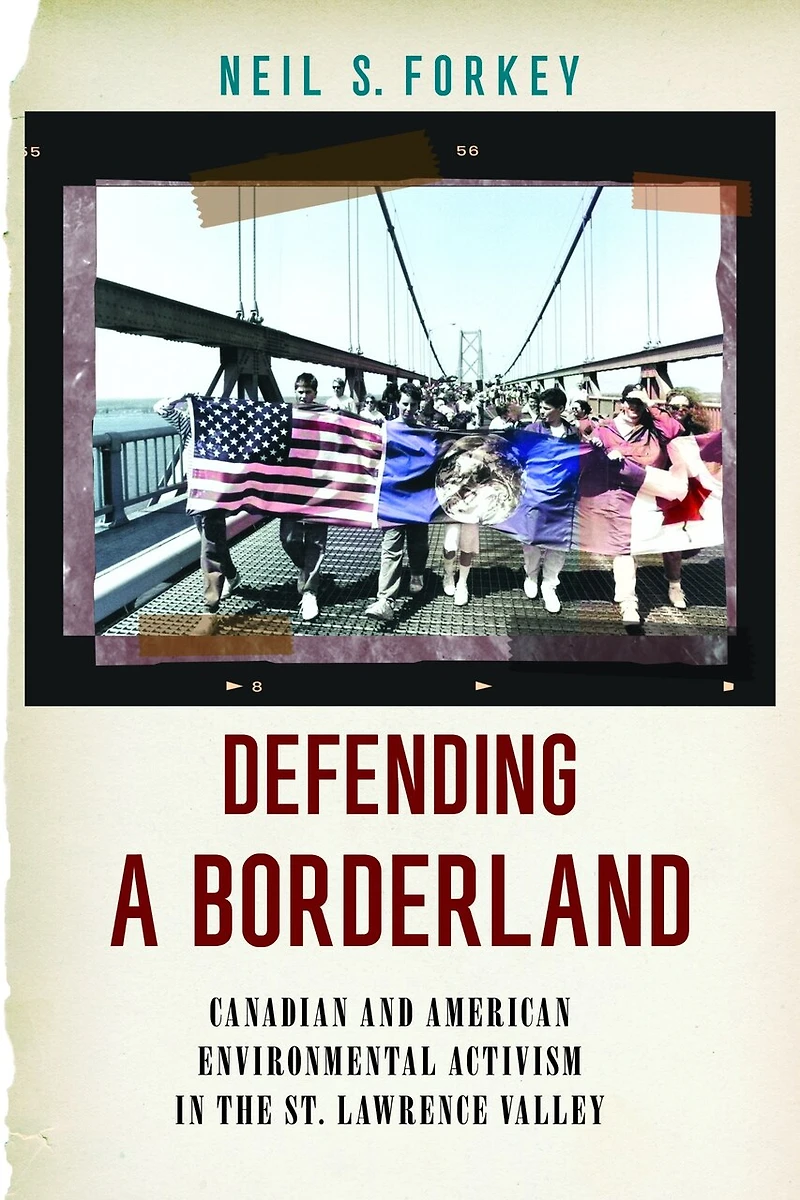
Defending a Borderland: Canadian and American Environmental Activism the St. Lawrence Valley
Current price: $124.00

Defending a Borderland: Canadian and American Environmental Activism the St. Lawrence Valley
Current price: $124.00
Loading Inventory...
Size: Hardcover
*Product information may vary - to confirm product availability, pricing, shipping and return information please contact Indigo
Tracing grassroots activism in response to a devastating transnational oil spill
On the morning of June 23, 1976, the NEPCO 140 barge, carrying 8.7 million gallons of thick crude oil, ruptured twice while plying the swift straits of the St. Lawrence River's Thousand Islands region. Before the spill was halted, 300,000 gallons of oil had leaked, polluting eighty miles of the river and ruining shorelines on both the New York and Canadian sides. It was the largest inland oil spill in United States history to that date, and the clean-up took 122 days and cost around $8 million. The disaster also prompted concerned citizens to form Save the River, one of the most enduring environmental organizations in North America.
In Defending a Borderland , environmental historian Neil S. Forkey examines environmental activism along the St. Lawrence River from both sides of the international border. He focuses on the period from the 1970s to the 1990s, when numerous citizen groups activated to protect the natural environment against pollution, development, and other perceived threats. Along with reacting to the "Slick of '76," their actions included stopping low-level military flights, preventing government land acquisition to create an extended park, and blocking new power lines through the countryside.
By considering the St. Lawrence Valley-a shared space between Canada, the United States, and Mohawk territory-Forkey brings a rare transnational approach to environmental analysis. He also highlights rural, local, and conservative perspectives, all of which are understudied. Using deep archival research and oral histories, Forkey reveals the myriad ways US and Canadian citizens organized before social media, gathering around kitchen tables, and in school auditoriums, to determine ways to reach government officials and neighbors and make lasting changes to protect the natural areas around them for future generations.
Tracing grassroots activism in response to a devastating transnational oil spill
On the morning of June 23, 1976, the NEPCO 140 barge, carrying 8.7 million gallons of thick crude oil, ruptured twice while plying the swift straits of the St. Lawrence River's Thousand Islands region. Before the spill was halted, 300,000 gallons of oil had leaked, polluting eighty miles of the river and ruining shorelines on both the New York and Canadian sides. It was the largest inland oil spill in United States history to that date, and the clean-up took 122 days and cost around $8 million. The disaster also prompted concerned citizens to form Save the River, one of the most enduring environmental organizations in North America.
In Defending a Borderland , environmental historian Neil S. Forkey examines environmental activism along the St. Lawrence River from both sides of the international border. He focuses on the period from the 1970s to the 1990s, when numerous citizen groups activated to protect the natural environment against pollution, development, and other perceived threats. Along with reacting to the "Slick of '76," their actions included stopping low-level military flights, preventing government land acquisition to create an extended park, and blocking new power lines through the countryside.
By considering the St. Lawrence Valley-a shared space between Canada, the United States, and Mohawk territory-Forkey brings a rare transnational approach to environmental analysis. He also highlights rural, local, and conservative perspectives, all of which are understudied. Using deep archival research and oral histories, Forkey reveals the myriad ways US and Canadian citizens organized before social media, gathering around kitchen tables, and in school auditoriums, to determine ways to reach government officials and neighbors and make lasting changes to protect the natural areas around them for future generations.
You May Also Like












More About Indigo at Erin Mills Town Centre
The largest book retailer in Canada also offers toys, music, home décor, gifts and lifestyle products. What's Inside...Books, Magazines, CD’s and DVD’s, Toys and Gifts, Home Accents, Electronics, Baby’s and Children’s Section, Bath and Body, Kitchen and Bedroom, Stationary Located outside in the exterior plaza.
5015 Glen Erin Dr, Mississauga, ON L5M 0R7, Canada
Find Indigo at Erin Mills Town Centre in Mississauga ON
Visit Indigo at Erin Mills Town Centre in Mississauga ON