

GIVE THE PERFECT GIFT
Erin Mills Town Centre Gift Cards are the perfect choice for your gift giving needs.Purchase gift cards at kiosks near the food court or centre court, at Guest Services, or click below to purchase online.PURCHASE HEREHome
Defiant Indigeneity: The Politics Of Hawaiian Performance
Indigo
Loading Inventory...
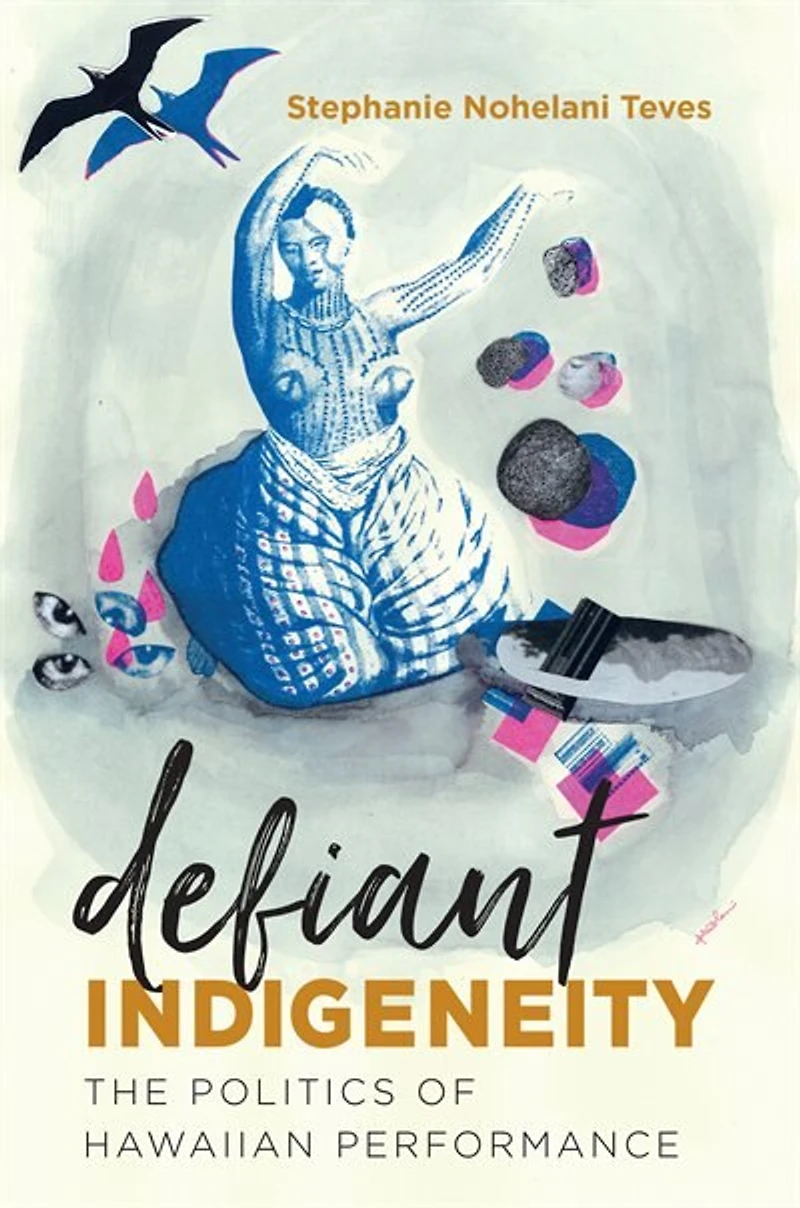
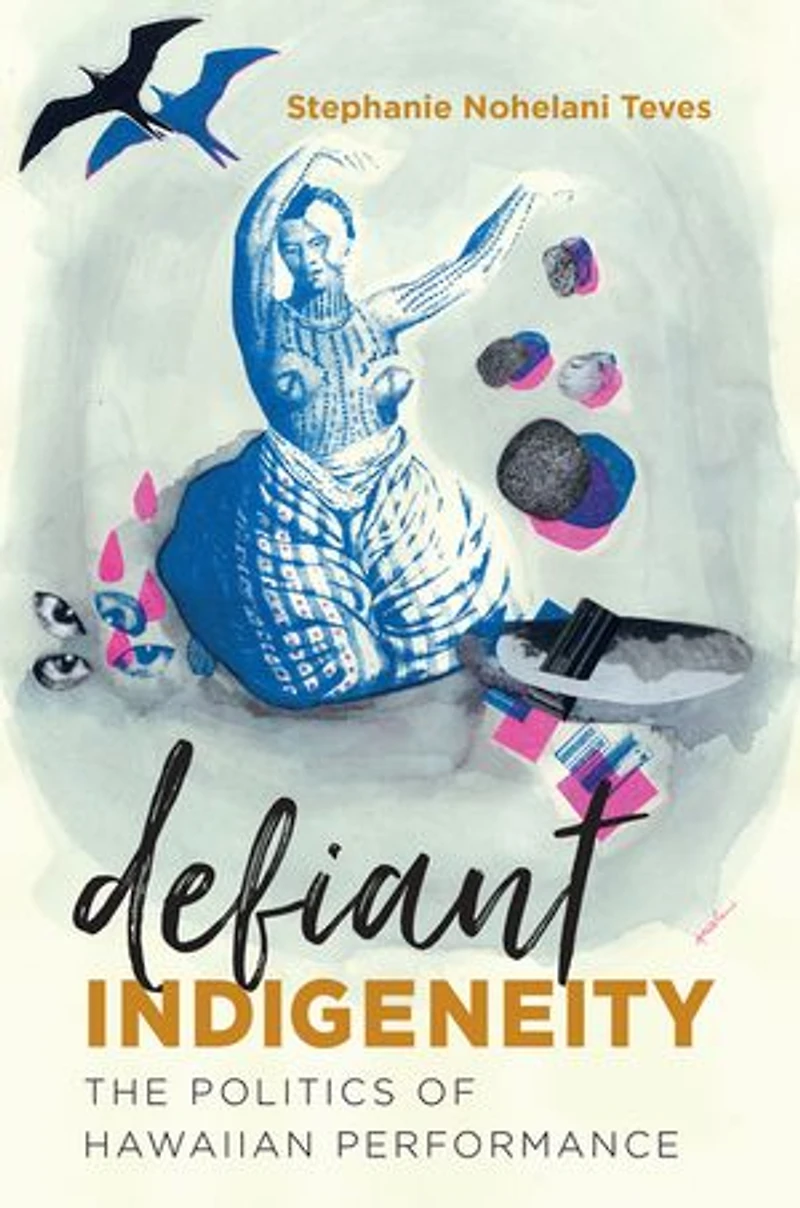
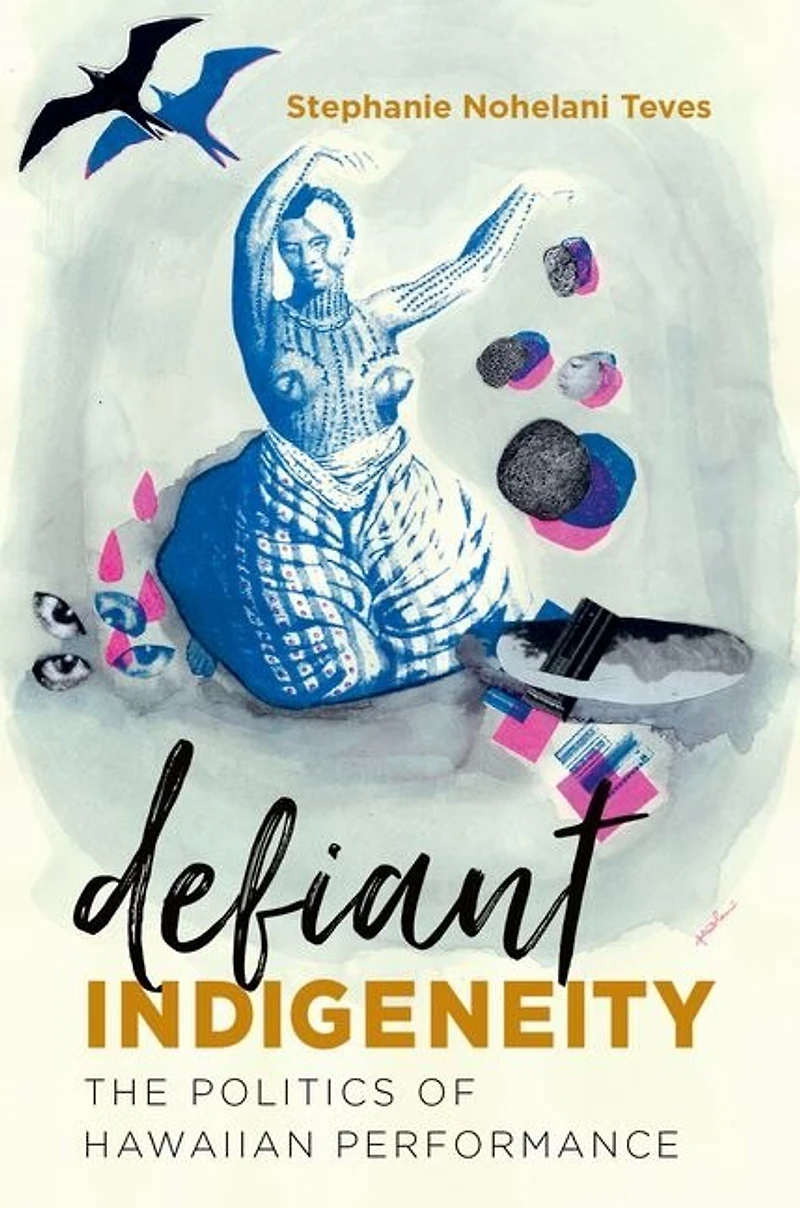
Defiant Indigeneity: The Politics Of Hawaiian Performance
Current price: $135.02

Defiant Indigeneity: The Politics Of Hawaiian Performance
Current price: $135.02
Loading Inventory...
Size: Hardcover
*Product information may vary - to confirm product availability, pricing, shipping and return information please contact Indigo
“Aloha” is at once the most significant and the most misunderstood word in the Indigenous Hawaiian lexicon. For Kānaka Maoli people, the concept of “aloha” is a representation and articulation of their identity, despite its misappropriation and commandeering by non-Native audiences in the form of things like the “hula girl” of popular culture. Considering the way aloha is embodied, performed, and interpreted in Native Hawaiian literature, music, plays, dance, drag performance, and even ghost tours from the twentieth century to the present, Stephanie Nohelani Teves shows that misunderstanding of the concept by non-Native audiences has not prevented the Kānaka Maoli from using it to create and empower community and articulate its distinct Indigenous meaning.
While Native Hawaiian artists, activists, scholars, and other performers have labored to educate diverse publics about the complexity of Indigenous Hawaiian identity, ongoing acts of violence against Indigenous communities have undermined these efforts. In this multidisciplinary work, Teves argues that Indigenous peoples must continue to embrace the performance of their identities in the face of this violence in order to challenge settler-colonialism and its efforts to contain and commodify Hawaiian Indigeneity.
“Aloha” is at once the most significant and the most misunderstood word in the Indigenous Hawaiian lexicon. For Kānaka Maoli people, the concept of “aloha” is a representation and articulation of their identity, despite its misappropriation and commandeering by non-Native audiences in the form of things like the “hula girl” of popular culture. Considering the way aloha is embodied, performed, and interpreted in Native Hawaiian literature, music, plays, dance, drag performance, and even ghost tours from the twentieth century to the present, Stephanie Nohelani Teves shows that misunderstanding of the concept by non-Native audiences has not prevented the Kānaka Maoli from using it to create and empower community and articulate its distinct Indigenous meaning.
While Native Hawaiian artists, activists, scholars, and other performers have labored to educate diverse publics about the complexity of Indigenous Hawaiian identity, ongoing acts of violence against Indigenous communities have undermined these efforts. In this multidisciplinary work, Teves argues that Indigenous peoples must continue to embrace the performance of their identities in the face of this violence in order to challenge settler-colonialism and its efforts to contain and commodify Hawaiian Indigeneity.
You May Also Like










More About Indigo at Erin Mills Town Centre
The largest book retailer in Canada also offers toys, music, home décor, gifts and lifestyle products. What's Inside...Books, Magazines, CD’s and DVD’s, Toys and Gifts, Home Accents, Electronics, Baby’s and Children’s Section, Bath and Body, Kitchen and Bedroom, Stationary Located outside in the exterior plaza.
5015 Glen Erin Dr, Mississauga, ON L5M 0R7, Canada
Find Indigo at Erin Mills Town Centre in Mississauga ON
Visit Indigo at Erin Mills Town Centre in Mississauga ON