

GIVE THE PERFECT GIFT
Erin Mills Town Centre Gift Cards are the perfect choice for your gift giving needs.Purchase gift cards at kiosks near the food court or centre court, at Guest Services, or click below to purchase online.PURCHASE HEREHome
Defining Developing Countries International Economic Law: the Case of China and World Trade Organisation
Indigo
Loading Inventory...
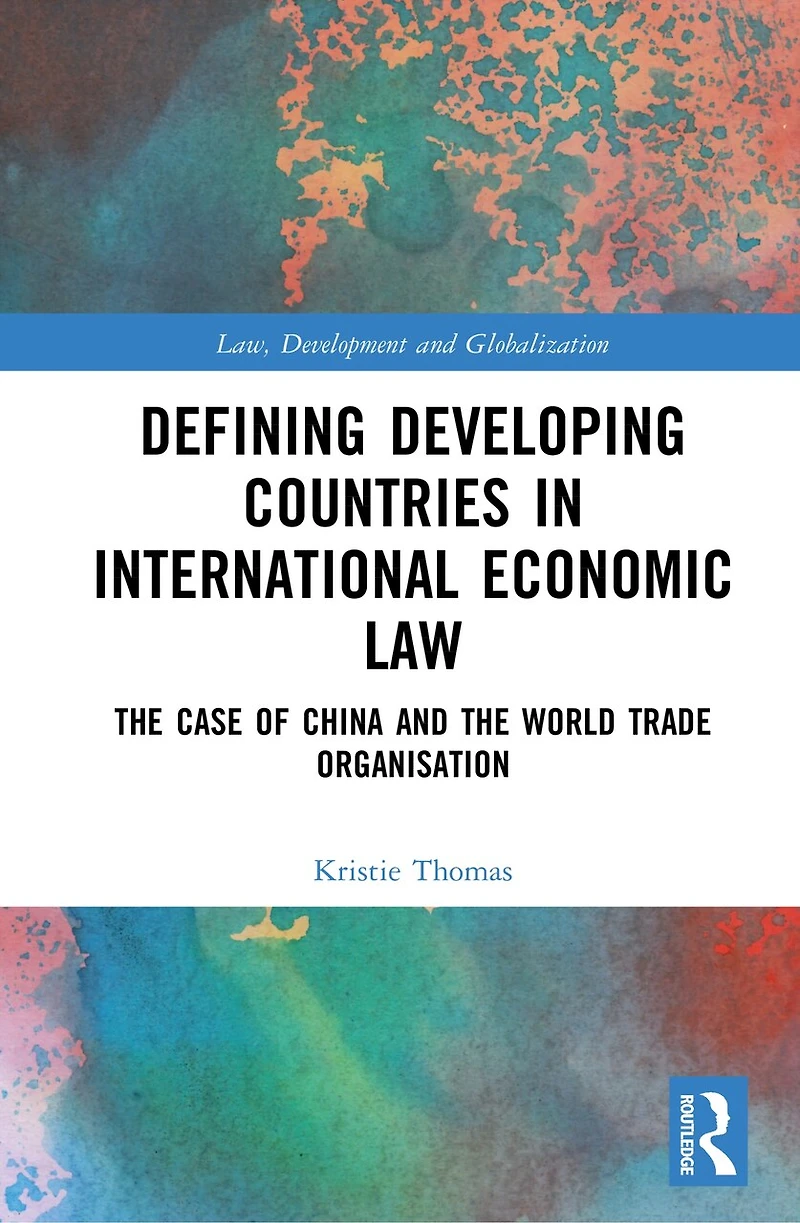
Defining Developing Countries International Economic Law: the Case of China and World Trade Organisation
Current price: $296.50

Defining Developing Countries International Economic Law: the Case of China and World Trade Organisation
Current price: $296.50
Loading Inventory...
Size: Hardcover
*Product information may vary - to confirm product availability, pricing, shipping and return information please contact Indigo
Through a detailed analysis of the example of China and the World Trade Organization, this book considers how developing countries are defined and, more importantly, how developing countries could be better defined in international economic law. What is a developing country? How should developing countries be categorised for the purpose of providing aid or support? Is China still a developing country despite being the world's second-largest economy? There are currently a variety of ways in which developing countries are categorised, none of which are satisfactory. Once a country is designated as 'developing', it then receives significant developmental support and aid. This book aims to contribute to identifying innovative solutions to the question of how developing countries should be designated in the field of international economic law. The book uses the example of China and its controversial continuing status as a developing country by the World Trade Organization in order to provide an in-depth analysis of the wider issue of how developing countries should be defined and categorised in international economic law. This book will be of interest to scholars in international economic law, law and development, political science, and international relations, as well as policymakers working in relevant areas.
Through a detailed analysis of the example of China and the World Trade Organization, this book considers how developing countries are defined and, more importantly, how developing countries could be better defined in international economic law. What is a developing country? How should developing countries be categorised for the purpose of providing aid or support? Is China still a developing country despite being the world's second-largest economy? There are currently a variety of ways in which developing countries are categorised, none of which are satisfactory. Once a country is designated as 'developing', it then receives significant developmental support and aid. This book aims to contribute to identifying innovative solutions to the question of how developing countries should be designated in the field of international economic law. The book uses the example of China and its controversial continuing status as a developing country by the World Trade Organization in order to provide an in-depth analysis of the wider issue of how developing countries should be defined and categorised in international economic law. This book will be of interest to scholars in international economic law, law and development, political science, and international relations, as well as policymakers working in relevant areas.
You May Also Like







More About Indigo at Erin Mills Town Centre
The largest book retailer in Canada also offers toys, music, home décor, gifts and lifestyle products. What's Inside...Books, Magazines, CD’s and DVD’s, Toys and Gifts, Home Accents, Electronics, Baby’s and Children’s Section, Bath and Body, Kitchen and Bedroom, Stationary Located outside in the exterior plaza.
5015 Glen Erin Dr, Mississauga, ON L5M 0R7, Canada
Find Indigo at Erin Mills Town Centre in Mississauga ON
Visit Indigo at Erin Mills Town Centre in Mississauga ON