

GIVE THE PERFECT GIFT
Erin Mills Town Centre Gift Cards are the perfect choice for your gift giving needs.Purchase gift cards at kiosks near the food court or centre court, at Guest Services, or click below to purchase online.PURCHASE HEREHome
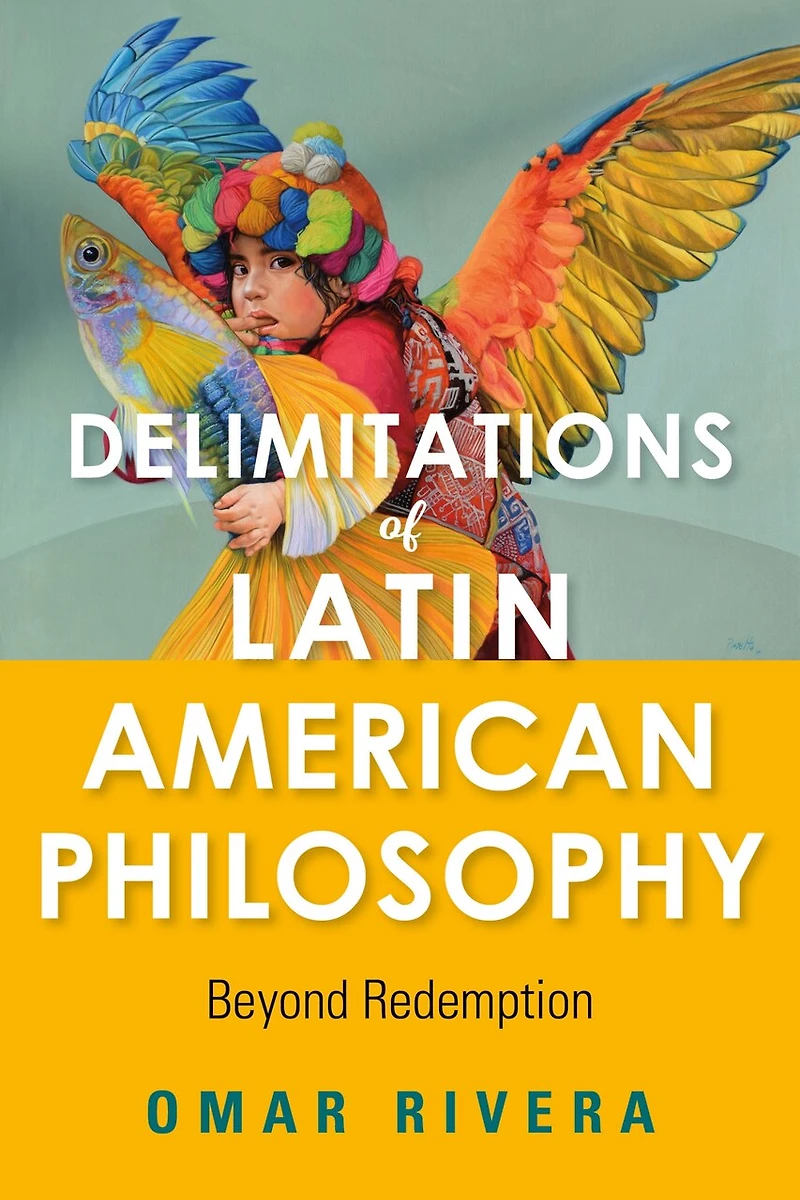
Delimitations of Latin American Philosophy: Beyond Redemption
Indigo
Loading Inventory...
Delimitations of Latin American Philosophy: Beyond Redemption
Current price: $104.95

Delimitations of Latin American Philosophy: Beyond Redemption
Current price: $104.95
Loading Inventory...
Size: Hardcover
*Product information may vary - to confirm product availability, pricing, shipping and return information please contact Indigo
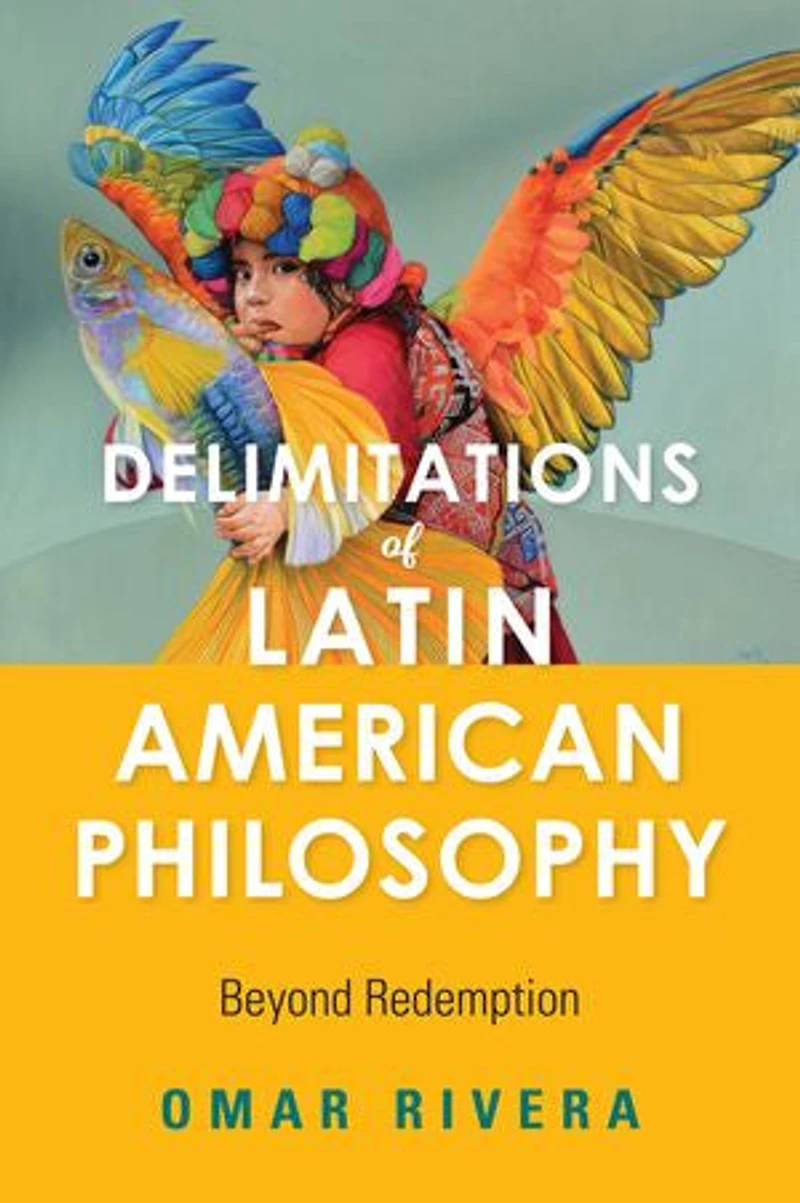
A distinctive focus of 19th- and 20th-century Latin American philosophy is the convergence of identity formation and political liberation in ethnically and racially diverse postcolonial contexts. From this perspective, Omar Rivera interprets how a "we" is articulated and deployed in central political texts of this robust philosophical tradition. In particular, by turning to the work of Peruvian political theorist Jos� Carlos Mari�tegui among others, Rivera critiques philosophies of liberation that are invested in the redemption of oppressed identities as conditions for bringing about radical social and political change, foregrounding Latin America's complex histories and socialities to illustrate the power and shortcomings of these projects. Building on this critical approach, Rivera studies interrelated epistemological, transcultural, and aesthetic delimitations of Latin American philosophy in order to explore the possibility of social and political liberation "beyond redemption."
A distinctive focus of 19th- and 20th-century Latin American philosophy is the convergence of identity formation and political liberation in ethnically and racially diverse postcolonial contexts. From this perspective, Omar Rivera interprets how a "we" is articulated and deployed in central political texts of this robust philosophical tradition. In particular, by turning to the work of Peruvian political theorist Jos� Carlos Mari�tegui among others, Rivera critiques philosophies of liberation that are invested in the redemption of oppressed identities as conditions for bringing about radical social and political change, foregrounding Latin America's complex histories and socialities to illustrate the power and shortcomings of these projects. Building on this critical approach, Rivera studies interrelated epistemological, transcultural, and aesthetic delimitations of Latin American philosophy in order to explore the possibility of social and political liberation "beyond redemption."
You May Also Like







More About Indigo at Erin Mills Town Centre
The largest book retailer in Canada also offers toys, music, home décor, gifts and lifestyle products. What's Inside...Books, Magazines, CD’s and DVD’s, Toys and Gifts, Home Accents, Electronics, Baby’s and Children’s Section, Bath and Body, Kitchen and Bedroom, Stationary Located outside in the exterior plaza.
5015 Glen Erin Dr, Mississauga, ON L5M 0R7, Canada
Find Indigo at Erin Mills Town Centre in Mississauga ON
Visit Indigo at Erin Mills Town Centre in Mississauga ON