

GIVE THE PERFECT GIFT
Erin Mills Town Centre Gift Cards are the perfect choice for your gift giving needs.Purchase gift cards at kiosks near the food court or centre court, at Guest Services, or click below to purchase online.PURCHASE HEREHome
Delivery as Dispossession: Land Occupation and Eviction the Postapartheid City
Indigo
Loading Inventory...
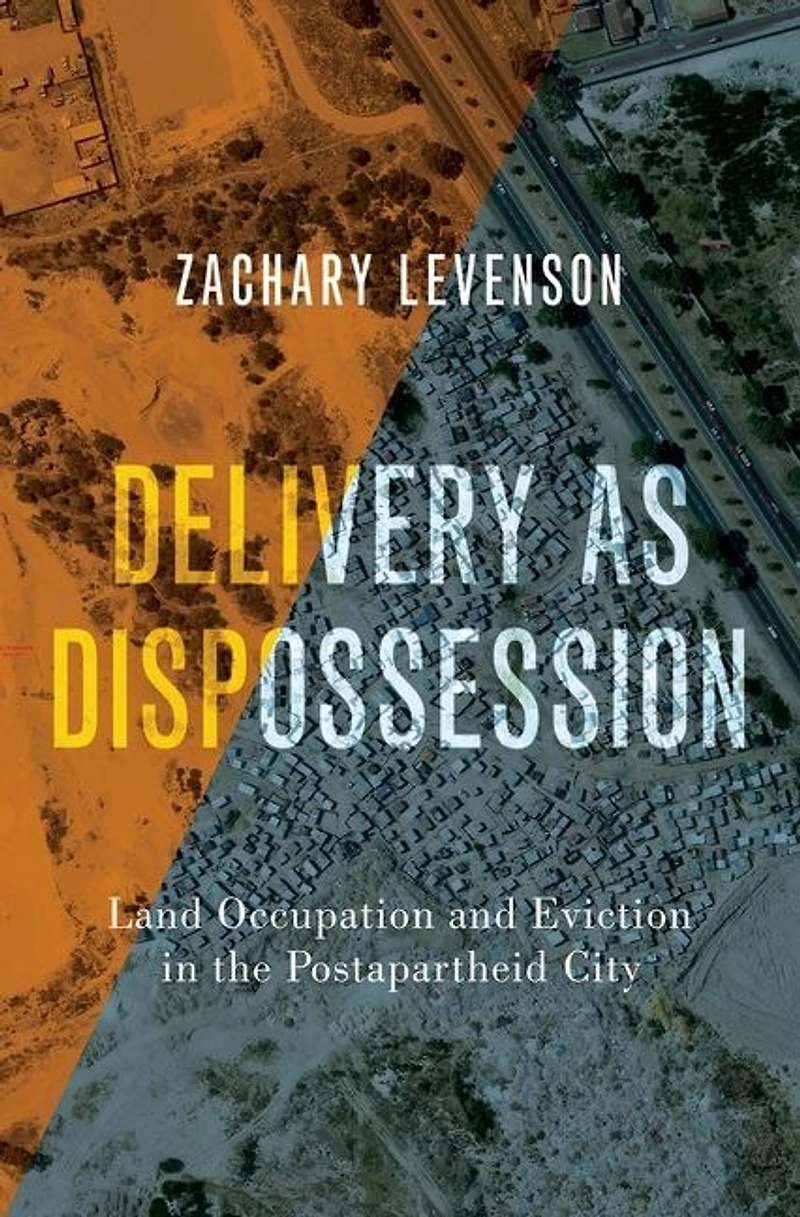

Delivery as Dispossession: Land Occupation and Eviction the Postapartheid City
Current price: $108.95

Delivery as Dispossession: Land Occupation and Eviction the Postapartheid City
Current price: $108.95
Loading Inventory...
Size: Hardcover
*Product information may vary - to confirm product availability, pricing, shipping and return information please contact Indigo
A sweeping historical and political analysis with detailed ethnographic fieldwork of the politics of everyday life in postcolonial Africa.
In post-apartheid South Africa, nearly a fifth of the urban population lives in shacks. Unable to wait any longer for government housing, people occupy land, typically seeking to fly under the state's radar. Yet in most cases, occupiers wind up in dialogue with the state. In Delivery as Dispossession, Zachary Levenson follows this journey from avoidance to incorporation, explaining how the post-apartheid Constitution shifts squatters' struggles onto the judicial register. Providing a comparative ethnographic account of two land occupations in Cape Town and highlighting occupiers' struggles, Levenson further demonstrates why it is that housing officials seek the eviction of all new occupations: they view these unsanctioned settlements as a threat to the order they believe is required for delivery. Yet in evicting occupiers, he argues, they reproduce the problem anew, with subsequent rounds of land occupation as the inevitable consequence. Offering a unique framework for thinking about local states, this book proposes a novel theory of the state that will change the way ethnographers think about politics.
A sweeping historical and political analysis with detailed ethnographic fieldwork of the politics of everyday life in postcolonial Africa.
In post-apartheid South Africa, nearly a fifth of the urban population lives in shacks. Unable to wait any longer for government housing, people occupy land, typically seeking to fly under the state's radar. Yet in most cases, occupiers wind up in dialogue with the state. In Delivery as Dispossession, Zachary Levenson follows this journey from avoidance to incorporation, explaining how the post-apartheid Constitution shifts squatters' struggles onto the judicial register. Providing a comparative ethnographic account of two land occupations in Cape Town and highlighting occupiers' struggles, Levenson further demonstrates why it is that housing officials seek the eviction of all new occupations: they view these unsanctioned settlements as a threat to the order they believe is required for delivery. Yet in evicting occupiers, he argues, they reproduce the problem anew, with subsequent rounds of land occupation as the inevitable consequence. Offering a unique framework for thinking about local states, this book proposes a novel theory of the state that will change the way ethnographers think about politics.
You May Also Like









More About Indigo at Erin Mills Town Centre
The largest book retailer in Canada also offers toys, music, home décor, gifts and lifestyle products. What's Inside...Books, Magazines, CD’s and DVD’s, Toys and Gifts, Home Accents, Electronics, Baby’s and Children’s Section, Bath and Body, Kitchen and Bedroom, Stationary Located outside in the exterior plaza.
5015 Glen Erin Dr, Mississauga, ON L5M 0R7, Canada
Find Indigo at Erin Mills Town Centre in Mississauga ON
Visit Indigo at Erin Mills Town Centre in Mississauga ON