

GIVE THE PERFECT GIFT
Erin Mills Town Centre Gift Cards are the perfect choice for your gift giving needs.Purchase gift cards at kiosks near the food court or centre court, at Guest Services, or click below to purchase online.PURCHASE HEREHome
Delta of Power: The Military-Industrial Complex
Indigo
Loading Inventory...
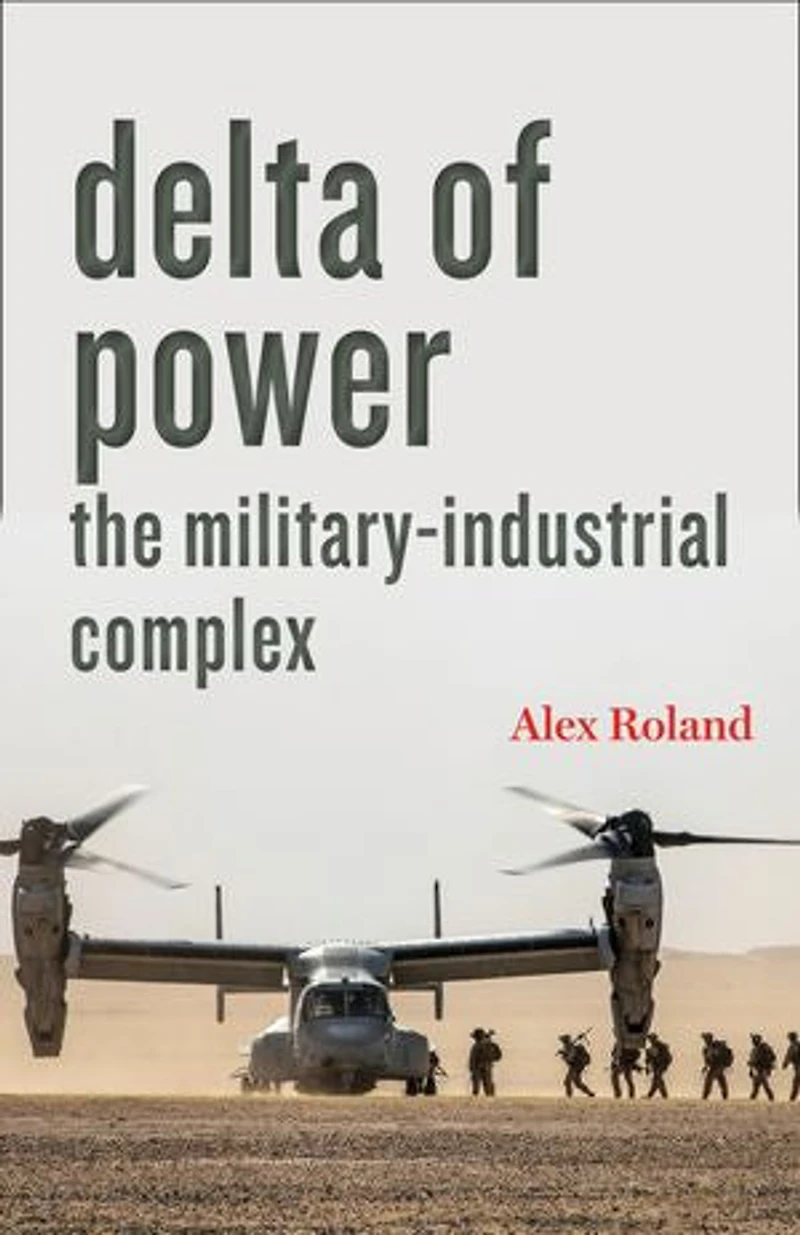
Delta of Power: The Military-Industrial Complex
Current price: $32.59
Original price: $40.65

Delta of Power: The Military-Industrial Complex
Current price: $32.59
Original price: $40.65
Loading Inventory...
Size: Kobo eBook
*Product information may vary - to confirm product availability, pricing, shipping and return information please contact Indigo
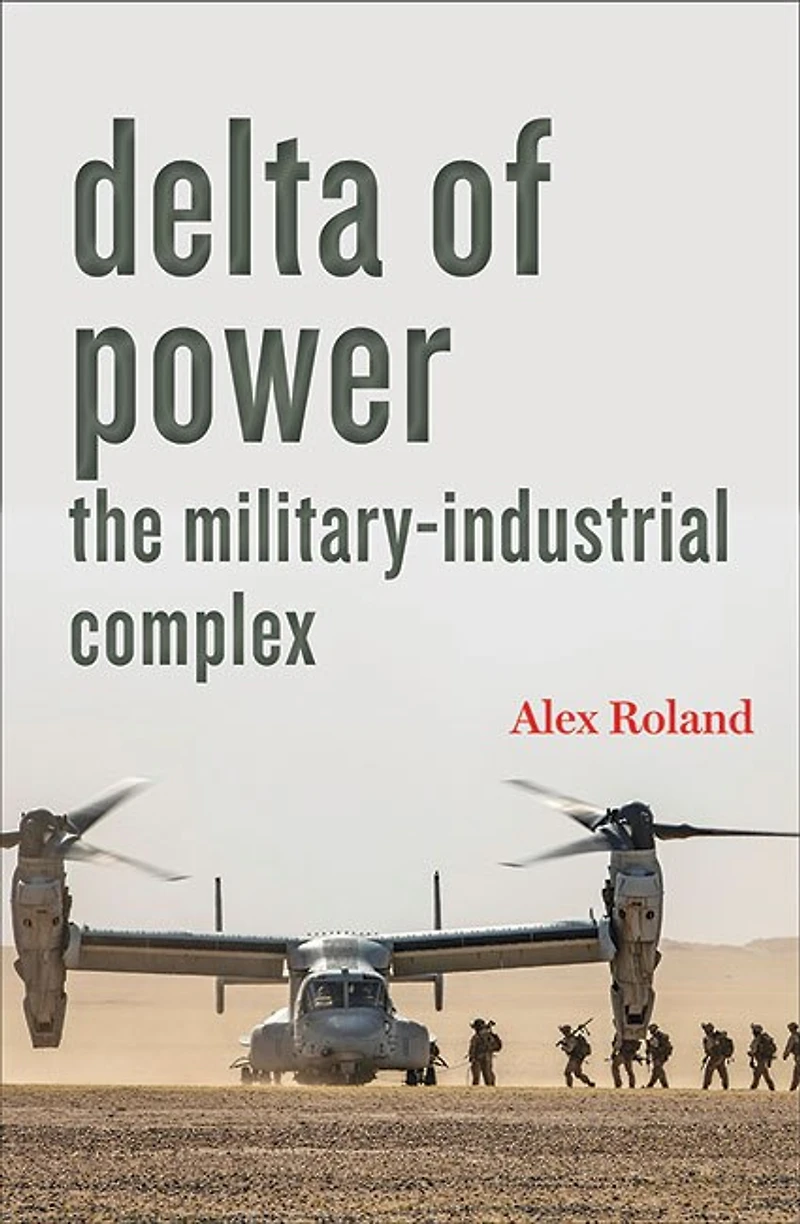
Does the Military-Industrial Complex as we understand it still exist? If so, how has it changed since the end of the Cold War? First named by President Dwight D. Eisenhower in his farewell address, the Military-Industrial Complex, originally an exclusively American phenomenon of the Cold War, was tailored to develop and produce military technologies equal to the existential threat perceived to be posed by the Soviet Union. An informal yet robust relationship between the military and industry, the MIC pursued and won a qualitative, technological arms race but exacted a high price in waste, fraud, and abuse. Today, although total US spending on national security exceeds $1 trillion a year, it accounts for a smaller percentage of the federal budget, the national GDP, and world military spending than during the Cold War. Given this fact, is the MIC as we commonly understand it still alive? If so, how has it changed in the intervening years? In Delta of Power , Alex Roland tells the comprehensive history of the MIC from 1961, the Cold War, and the War on Terror, to the present day. Roland argues that the MIC is now significantly different than it was when Eisenhower warned of its dangers, still exerting a significant but diminished influence in American life. Focusing intently on the three decades since the end of the Cold War in 1991, Roland explains how a lack of cohesion, rapid change, and historical contingency have transformed America's military-industrial institutions and infrastructure. Roland addresses five critical realms of transformation: civil-military relations, relations between industry and the state, among government agencies, between scientific-technical communities and the state, and between technology and society. He also tracks the way in which America's arsenal has evolved since 1991. The MIC still merits Eisenhower's warning of political and moral hazard, he concludes, but it continues to deliver, by a narrower margin, the world's most potent arsenal. An authoritative account of America's evolving arsenal since World War II, Delta of Power is a dynamic exploration of military preparedness and current events.
Does the Military-Industrial Complex as we understand it still exist? If so, how has it changed since the end of the Cold War? First named by President Dwight D. Eisenhower in his farewell address, the Military-Industrial Complex, originally an exclusively American phenomenon of the Cold War, was tailored to develop and produce military technologies equal to the existential threat perceived to be posed by the Soviet Union. An informal yet robust relationship between the military and industry, the MIC pursued and won a qualitative, technological arms race but exacted a high price in waste, fraud, and abuse. Today, although total US spending on national security exceeds $1 trillion a year, it accounts for a smaller percentage of the federal budget, the national GDP, and world military spending than during the Cold War. Given this fact, is the MIC as we commonly understand it still alive? If so, how has it changed in the intervening years? In Delta of Power , Alex Roland tells the comprehensive history of the MIC from 1961, the Cold War, and the War on Terror, to the present day. Roland argues that the MIC is now significantly different than it was when Eisenhower warned of its dangers, still exerting a significant but diminished influence in American life. Focusing intently on the three decades since the end of the Cold War in 1991, Roland explains how a lack of cohesion, rapid change, and historical contingency have transformed America's military-industrial institutions and infrastructure. Roland addresses five critical realms of transformation: civil-military relations, relations between industry and the state, among government agencies, between scientific-technical communities and the state, and between technology and society. He also tracks the way in which America's arsenal has evolved since 1991. The MIC still merits Eisenhower's warning of political and moral hazard, he concludes, but it continues to deliver, by a narrower margin, the world's most potent arsenal. An authoritative account of America's evolving arsenal since World War II, Delta of Power is a dynamic exploration of military preparedness and current events.
You May Also Like












More About Indigo at Erin Mills Town Centre
The largest book retailer in Canada also offers toys, music, home décor, gifts and lifestyle products. What's Inside...Books, Magazines, CD’s and DVD’s, Toys and Gifts, Home Accents, Electronics, Baby’s and Children’s Section, Bath and Body, Kitchen and Bedroom, Stationary Located outside in the exterior plaza.
5015 Glen Erin Dr, Mississauga, ON L5M 0R7, Canada
Find Indigo at Erin Mills Town Centre in Mississauga ON
Visit Indigo at Erin Mills Town Centre in Mississauga ON