

GIVE THE PERFECT GIFT
Erin Mills Town Centre Gift Cards are the perfect choice for your gift giving needs.Purchase gift cards at kiosks near the food court or centre court, at Guest Services, or click below to purchase online.PURCHASE HEREHome
Democracy and Education in the 21st century: The articulation of new democratic discourses and practices
Indigo
Loading Inventory...
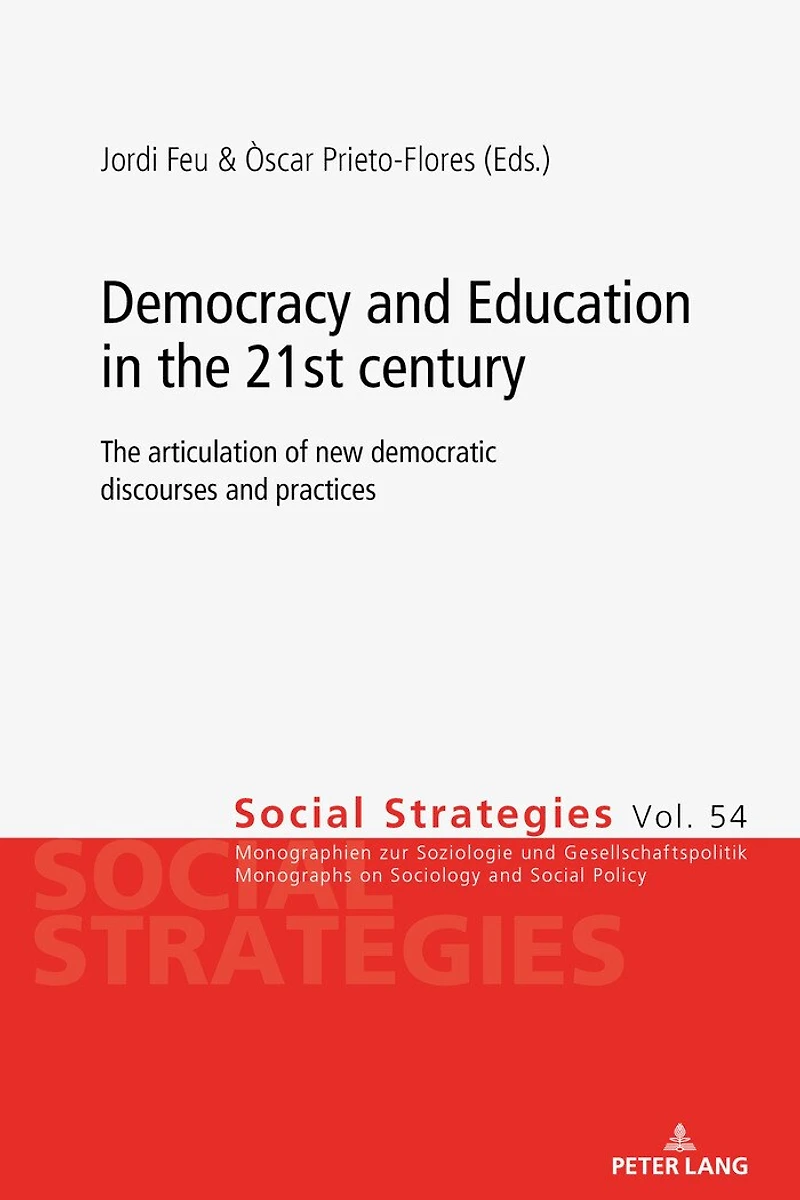
Democracy and Education in the 21st century: The articulation of new democratic discourses and practices
Current price: $141.95

Democracy and Education in the 21st century: The articulation of new democratic discourses and practices
Current price: $141.95
Loading Inventory...
Size: Paperback
*Product information may vary - to confirm product availability, pricing, shipping and return information please contact Indigo
The main objective of this book is to describe how educational initiatives are emerging that are hopeful in terms of strengthening democracy in a real way in a convulsive world like the current one. Recently, some of the neoliberal educational reforms that have been implemented in many countries have fostered, in a macro-systemic way, the weakening of democratic practice in various ways. It is also true that bureaucratization of public school in modern states has also tended to defeat the purpose of community and family participation in schools. But there is evidence of schools and educational contexts that have been able to institutionalize participation mechanisms in which students, families and the community have a voice and participate actively in the majority of the decisions of the centres. The contributors of this book highlight the challenges and the opportunities democratic education faces while commemorating the centenary of John Dewey’s contributions.
The main objective of this book is to describe how educational initiatives are emerging that are hopeful in terms of strengthening democracy in a real way in a convulsive world like the current one. Recently, some of the neoliberal educational reforms that have been implemented in many countries have fostered, in a macro-systemic way, the weakening of democratic practice in various ways. It is also true that bureaucratization of public school in modern states has also tended to defeat the purpose of community and family participation in schools. But there is evidence of schools and educational contexts that have been able to institutionalize participation mechanisms in which students, families and the community have a voice and participate actively in the majority of the decisions of the centres. The contributors of this book highlight the challenges and the opportunities democratic education faces while commemorating the centenary of John Dewey’s contributions.
You May Also Like












More About Indigo at Erin Mills Town Centre
The largest book retailer in Canada also offers toys, music, home décor, gifts and lifestyle products. What's Inside...Books, Magazines, CD’s and DVD’s, Toys and Gifts, Home Accents, Electronics, Baby’s and Children’s Section, Bath and Body, Kitchen and Bedroom, Stationary Located outside in the exterior plaza.
5015 Glen Erin Dr, Mississauga, ON L5M 0R7, Canada
Find Indigo at Erin Mills Town Centre in Mississauga ON
Visit Indigo at Erin Mills Town Centre in Mississauga ON