

GIVE THE PERFECT GIFT
Erin Mills Town Centre Gift Cards are the perfect choice for your gift giving needs.Purchase gift cards at kiosks near the food court or centre court, at Guest Services, or click below to purchase online.PURCHASE HEREHome
Demography and the Anthropocene
Indigo
Loading Inventory...
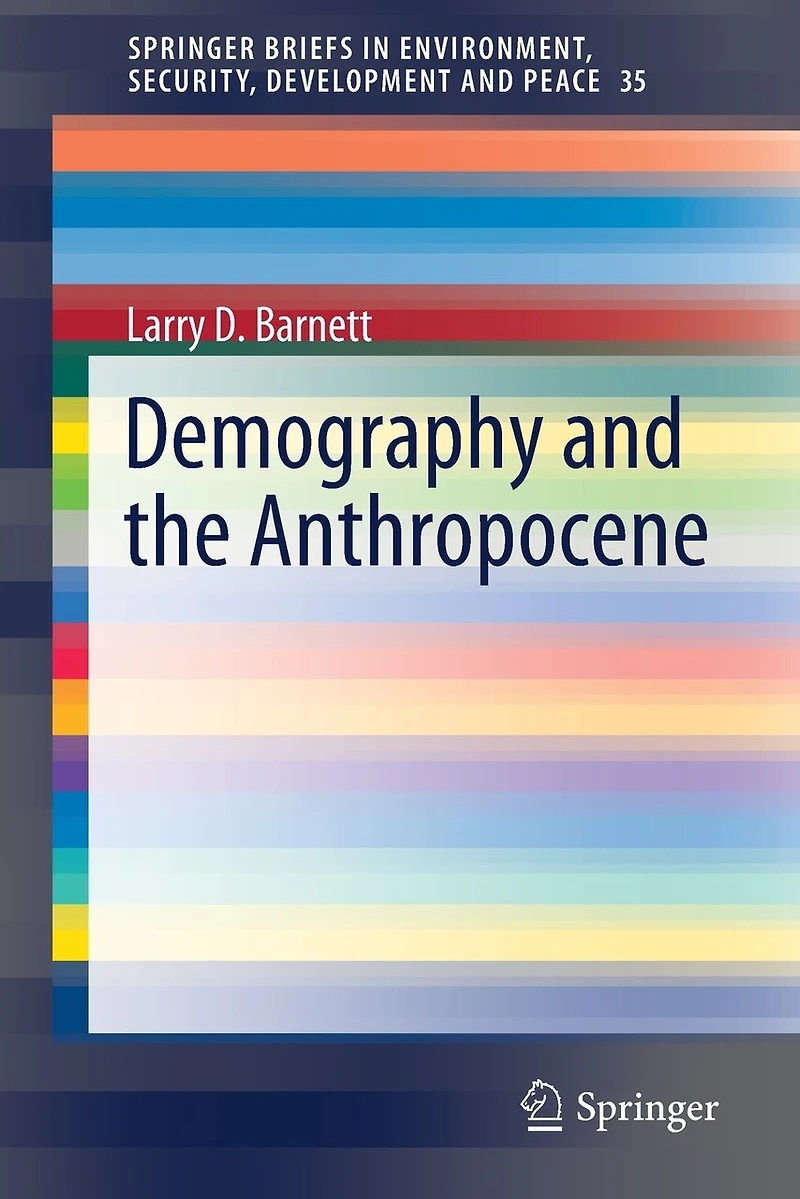
Demography and the Anthropocene
Current price: $80.50

Demography and the Anthropocene
Current price: $80.50
Loading Inventory...
Size: Paperback
*Product information may vary - to confirm product availability, pricing, shipping and return information please contact Indigo
Environmentalists devote little attention at the moment to the size and growth of the human population. To counter this neglect, the monograph (i) includes original graphs showing population size and growth since 1920 in the world as a whole and the United States; (ii) assembles evidence tying the increasing number of people to ecosystem deterioration and its societal consequences; and (iii) analyzes sample-survey data to ascertain whether the current disregard of population pressures by U.S. environmentalists reflects the thinking of Americans generally. However, even if a nation took steps primarily intended to lower childbearing and immigration, the findings of social science research indicate that the steps would not have a substantial, lasting impact. The discussion, which suggests an indirect way by which government may reduce fertility, underlines for environmental scholars the importance of studying their subject in a multidisciplinary, collaborative setting.
Environmentalists devote little attention at the moment to the size and growth of the human population. To counter this neglect, the monograph (i) includes original graphs showing population size and growth since 1920 in the world as a whole and the United States; (ii) assembles evidence tying the increasing number of people to ecosystem deterioration and its societal consequences; and (iii) analyzes sample-survey data to ascertain whether the current disregard of population pressures by U.S. environmentalists reflects the thinking of Americans generally. However, even if a nation took steps primarily intended to lower childbearing and immigration, the findings of social science research indicate that the steps would not have a substantial, lasting impact. The discussion, which suggests an indirect way by which government may reduce fertility, underlines for environmental scholars the importance of studying their subject in a multidisciplinary, collaborative setting.
You May Also Like








More About Indigo at Erin Mills Town Centre
The largest book retailer in Canada also offers toys, music, home décor, gifts and lifestyle products. What's Inside...Books, Magazines, CD’s and DVD’s, Toys and Gifts, Home Accents, Electronics, Baby’s and Children’s Section, Bath and Body, Kitchen and Bedroom, Stationary Located outside in the exterior plaza.
5015 Glen Erin Dr, Mississauga, ON L5M 0R7, Canada
Find Indigo at Erin Mills Town Centre in Mississauga ON
Visit Indigo at Erin Mills Town Centre in Mississauga ON