

GIVE THE PERFECT GIFT
Erin Mills Town Centre Gift Cards are the perfect choice for your gift giving needs.Purchase gift cards at kiosks near the food court or centre court, at Guest Services, or click below to purchase online.PURCHASE HEREHome
Demystifying Syndromes II: Clinical and Educational Implications of Common Syndromes Associated with Persons with Intellectual Disabilities
Indigo
Loading Inventory...
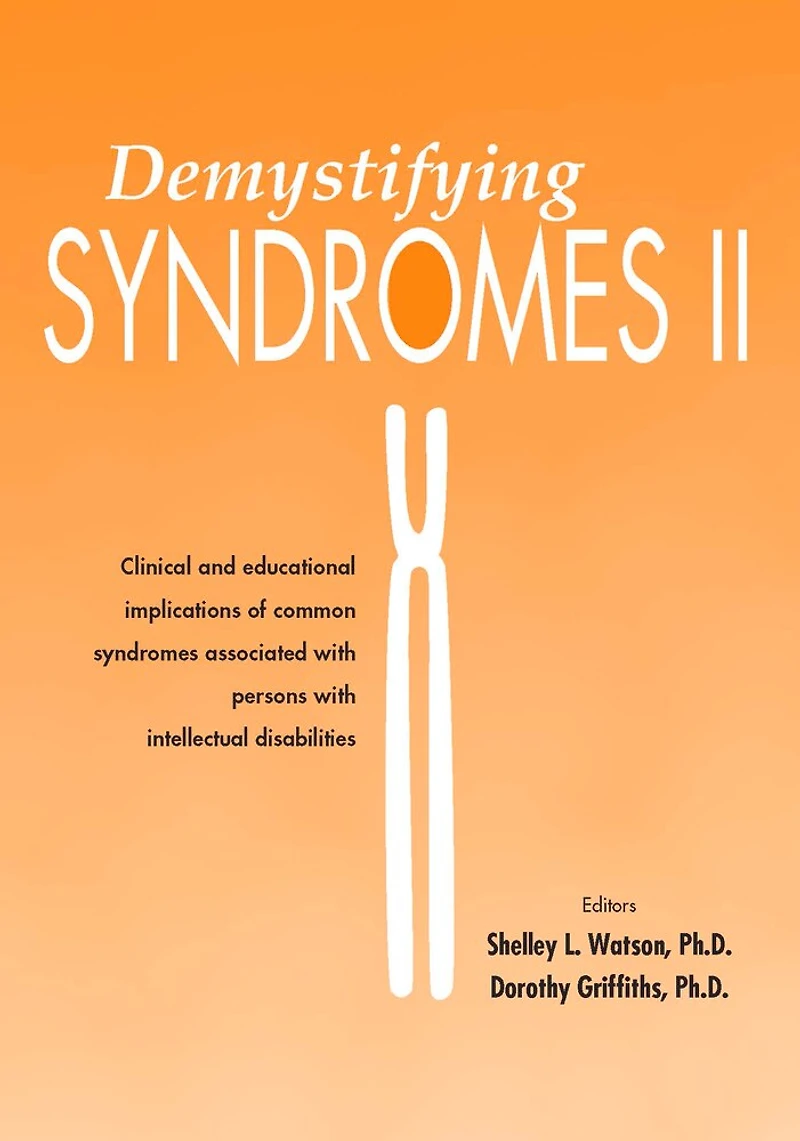
Demystifying Syndromes II: Clinical and Educational Implications of Common Syndromes Associated with Persons with Intellectual Disabilities
Current price: $71.95

Demystifying Syndromes II: Clinical and Educational Implications of Common Syndromes Associated with Persons with Intellectual Disabilities
Current price: $71.95
Loading Inventory...
Size: Paperback
*Product information may vary - to confirm product availability, pricing, shipping and return information please contact Indigo
In Demystifying Syndromes II , the editors have selected some common and some lesser known syndromes that are associated with persons with developmental disabilities and coexisting mental or behavioral challenges, specifically Autism Spectrum Disorders, as well as Fragile X, Down, Williams, Smith-Magenis, 22q Deletion, Smith-Lemli-Opitz, and Angelman syndromes. Each book chapter provides the reader with an informative and accurate description of the disability, written by individuals with an integrated understanding of how the physical, psychiatric or biochemical influences may interact with the psychological factors (learning approaches, communication, skills) of the individual, as well as with the social-environmental aspects (supports, adaptations, and vulnerabilities).
In Demystifying Syndromes II , the editors have selected some common and some lesser known syndromes that are associated with persons with developmental disabilities and coexisting mental or behavioral challenges, specifically Autism Spectrum Disorders, as well as Fragile X, Down, Williams, Smith-Magenis, 22q Deletion, Smith-Lemli-Opitz, and Angelman syndromes. Each book chapter provides the reader with an informative and accurate description of the disability, written by individuals with an integrated understanding of how the physical, psychiatric or biochemical influences may interact with the psychological factors (learning approaches, communication, skills) of the individual, as well as with the social-environmental aspects (supports, adaptations, and vulnerabilities).
You May Also Like











More About Indigo at Erin Mills Town Centre
The largest book retailer in Canada also offers toys, music, home décor, gifts and lifestyle products. What's Inside...Books, Magazines, CD’s and DVD’s, Toys and Gifts, Home Accents, Electronics, Baby’s and Children’s Section, Bath and Body, Kitchen and Bedroom, Stationary Located outside in the exterior plaza.
5015 Glen Erin Dr, Mississauga, ON L5M 0R7, Canada
Find Indigo at Erin Mills Town Centre in Mississauga ON
Visit Indigo at Erin Mills Town Centre in Mississauga ON