

GIVE THE PERFECT GIFT
Erin Mills Town Centre Gift Cards are the perfect choice for your gift giving needs.Purchase gift cards at kiosks near the food court or centre court, at Guest Services, or click below to purchase online.PURCHASE HEREHome
Depolymerization Recycling: Plastics Circularity
Indigo
Loading Inventory...
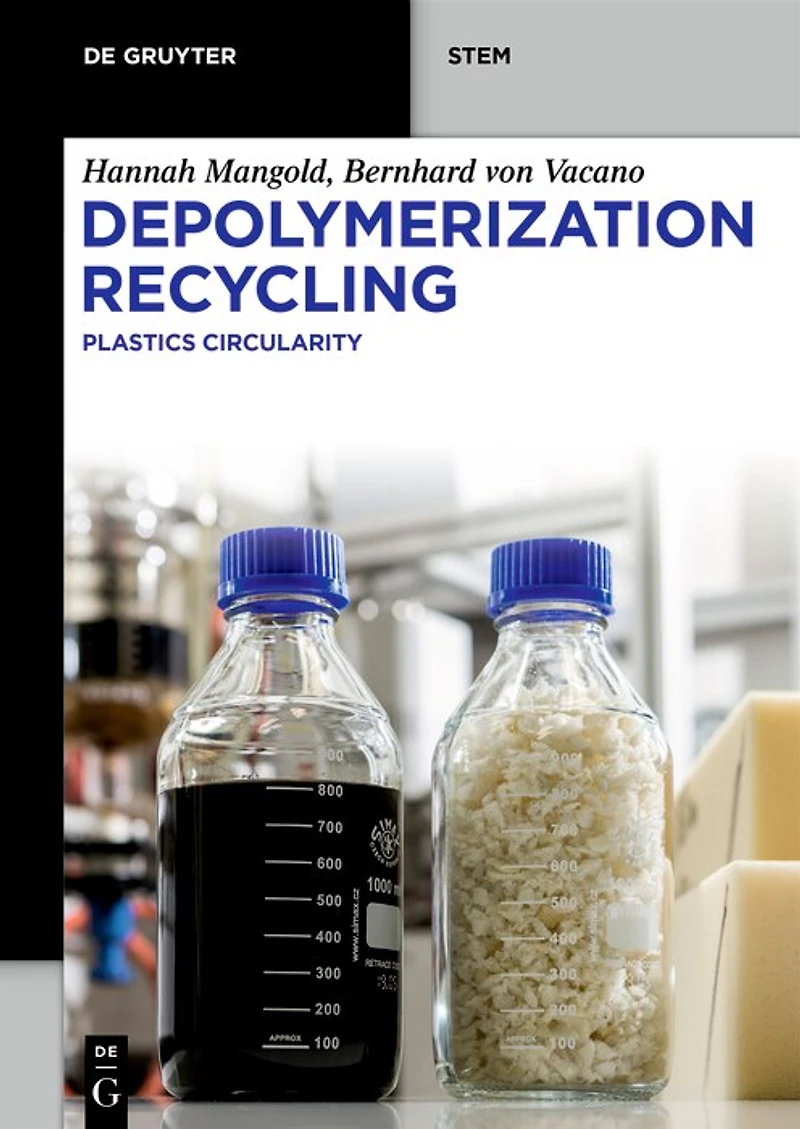
Depolymerization Recycling: Plastics Circularity
Current price: $107.99

Depolymerization Recycling: Plastics Circularity
Current price: $107.99
Loading Inventory...
Size: Paperback
*Product information may vary - to confirm product availability, pricing, shipping and return information please contact Indigo
Plastics, structural polymers made from monomers, are ubiquitous in modern life and have unique benefits. To prevent accumulation in the environment or incineration at their end of life, they must however be reused or recycled in ways not yet implemented today. In many cases, the polymerization process can be efficiently reversed in depolymerization recycling, and monomers regained and purified, providing the basis for materials at the same quality level as in the previous life cycle but at moderate energy intensity and better carbon footprint. As such, depolymerization is very likely the key enabler for some classes of polymers, especially in applications where they are intrinsically mixed with other materials or crosslinked. This book reviews the fundamental polymer science briefly, introduces the respective processing technologies and life cycle considerations. Specific examples from different plastics applications including automotive, construction and textiles help to analyze how depolymerization positions itself in the hierarchy of recycling approaches and its contributions to a circular value chain transformation, including design for recycling. This compact overview will help a reader understand and approach depolymerization recycling in the necessary context of scale, sustainability and value chain thinking.
Plastics, structural polymers made from monomers, are ubiquitous in modern life and have unique benefits. To prevent accumulation in the environment or incineration at their end of life, they must however be reused or recycled in ways not yet implemented today. In many cases, the polymerization process can be efficiently reversed in depolymerization recycling, and monomers regained and purified, providing the basis for materials at the same quality level as in the previous life cycle but at moderate energy intensity and better carbon footprint. As such, depolymerization is very likely the key enabler for some classes of polymers, especially in applications where they are intrinsically mixed with other materials or crosslinked. This book reviews the fundamental polymer science briefly, introduces the respective processing technologies and life cycle considerations. Specific examples from different plastics applications including automotive, construction and textiles help to analyze how depolymerization positions itself in the hierarchy of recycling approaches and its contributions to a circular value chain transformation, including design for recycling. This compact overview will help a reader understand and approach depolymerization recycling in the necessary context of scale, sustainability and value chain thinking.
You May Also Like










More About Indigo at Erin Mills Town Centre
The largest book retailer in Canada also offers toys, music, home décor, gifts and lifestyle products. What's Inside...Books, Magazines, CD’s and DVD’s, Toys and Gifts, Home Accents, Electronics, Baby’s and Children’s Section, Bath and Body, Kitchen and Bedroom, Stationary Located outside in the exterior plaza.
5015 Glen Erin Dr, Mississauga, ON L5M 0R7, Canada
Find Indigo at Erin Mills Town Centre in Mississauga ON
Visit Indigo at Erin Mills Town Centre in Mississauga ON