

GIVE THE PERFECT GIFT
Erin Mills Town Centre Gift Cards are the perfect choice for your gift giving needs.Purchase gift cards at kiosks near the food court or centre court, at Guest Services, or click below to purchase online.PURCHASE HEREHome
Der sokratische Künstler: Studien zu Rembrandts Nachtwache
Indigo
Loading Inventory...
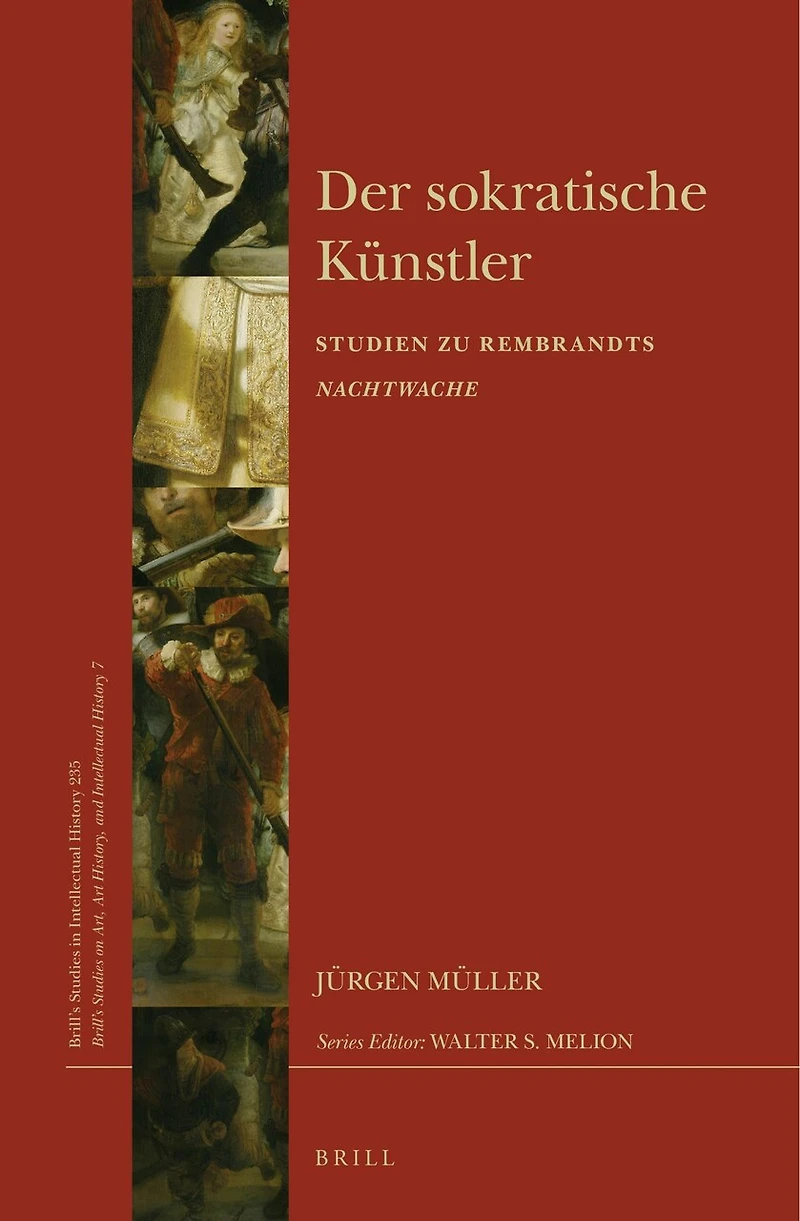
Der sokratische Künstler: Studien zu Rembrandts Nachtwache
Current price: $316.99

Der sokratische Künstler: Studien zu Rembrandts Nachtwache
Current price: $316.99
Loading Inventory...
Size: Hardcover
*Product information may vary - to confirm product availability, pricing, shipping and return information please contact Indigo
Im Fokus der Studie steht eine neue Deutung von Rembrandts Nachtwache aus dem Jahre 1642. Zentral ist dabei die Auseinandersetzung des Malers mit der klassizistischen Kunsttheorie von Franciscus Junius. Dessen Werk "De pictura veterum" war 1637 in lateinischer und 1641 in niederländischer Sprache erschienen. So lautet die These, dass Rembrandts Gruppenporträt auf eine Kritik italienisch-klassizistischer Imitatio-Konzepte zielt und zugleich Werke der Antike und der italienischen Hochrenaissance ironisiert. Der Leidener Maler orientiert sich an Raffaels Schule von Athen , um damit implizit die Frage angemessener und unangemessener Nachahmung zu stellen. Die Studie insgesamt will zeigen, wie differenziert Rembrandt mit Vorbildern umzugehen vermag. Steht auch die Nachtwache im Zentrum der Untersuchung, so werden auch andere Gemälde sowie Radierungen und Zeichnungen interpretiert und nach der ironischen Dimension von Rembrandts Kunst im Ganzen gefragt.
The focus of Müller’s study is a new interpretation of Rembrandt’s Night Watch from 1642, which highlights the painter’s engagement with the classical art theory of Franciscus Junius. Junius’s treatise, "De pictura veterum", was published in Latin in 1637 and in Dutch in 1641. Ultimately, Müller argues that Rembrandt’s group portrait was designed to present a critique of the Italianate/classical concepts of Imitatio in addition to offering an ironic commentary on artworks of the Antique and High Renaissance periods. The Dutch artist takes Raphael’s School of Athens as a reference point, thereby implicitly posing questions about appropriate and inappropriate forms of imitation. The study as a whole shows how complex and witty Rembrandt’s approach to his models could be. Although the Night Watch occupies a central place in the inquiry, the author also engages with other paintings, etchings and drawings in order to sketch the contours of Rembrandt’s ironic image making.
Im Fokus der Studie steht eine neue Deutung von Rembrandts Nachtwache aus dem Jahre 1642. Zentral ist dabei die Auseinandersetzung des Malers mit der klassizistischen Kunsttheorie von Franciscus Junius. Dessen Werk "De pictura veterum" war 1637 in lateinischer und 1641 in niederländischer Sprache erschienen. So lautet die These, dass Rembrandts Gruppenporträt auf eine Kritik italienisch-klassizistischer Imitatio-Konzepte zielt und zugleich Werke der Antike und der italienischen Hochrenaissance ironisiert. Der Leidener Maler orientiert sich an Raffaels Schule von Athen , um damit implizit die Frage angemessener und unangemessener Nachahmung zu stellen. Die Studie insgesamt will zeigen, wie differenziert Rembrandt mit Vorbildern umzugehen vermag. Steht auch die Nachtwache im Zentrum der Untersuchung, so werden auch andere Gemälde sowie Radierungen und Zeichnungen interpretiert und nach der ironischen Dimension von Rembrandts Kunst im Ganzen gefragt.
The focus of Müller’s study is a new interpretation of Rembrandt’s Night Watch from 1642, which highlights the painter’s engagement with the classical art theory of Franciscus Junius. Junius’s treatise, "De pictura veterum", was published in Latin in 1637 and in Dutch in 1641. Ultimately, Müller argues that Rembrandt’s group portrait was designed to present a critique of the Italianate/classical concepts of Imitatio in addition to offering an ironic commentary on artworks of the Antique and High Renaissance periods. The Dutch artist takes Raphael’s School of Athens as a reference point, thereby implicitly posing questions about appropriate and inappropriate forms of imitation. The study as a whole shows how complex and witty Rembrandt’s approach to his models could be. Although the Night Watch occupies a central place in the inquiry, the author also engages with other paintings, etchings and drawings in order to sketch the contours of Rembrandt’s ironic image making.
You May Also Like













More About Indigo at Erin Mills Town Centre
The largest book retailer in Canada also offers toys, music, home décor, gifts and lifestyle products. What's Inside...Books, Magazines, CD’s and DVD’s, Toys and Gifts, Home Accents, Electronics, Baby’s and Children’s Section, Bath and Body, Kitchen and Bedroom, Stationary Located outside in the exterior plaza.
5015 Glen Erin Dr, Mississauga, ON L5M 0R7, Canada
Find Indigo at Erin Mills Town Centre in Mississauga ON
Visit Indigo at Erin Mills Town Centre in Mississauga ON