

GIVE THE PERFECT GIFT
Erin Mills Town Centre Gift Cards are the perfect choice for your gift giving needs.Purchase gift cards at kiosks near the food court or centre court, at Guest Services, or click below to purchase online.PURCHASE HEREHome
Derek Walcotts Encounter with Homer: Landscape, History, and Poetic Voice Omeros
Indigo
Loading Inventory...
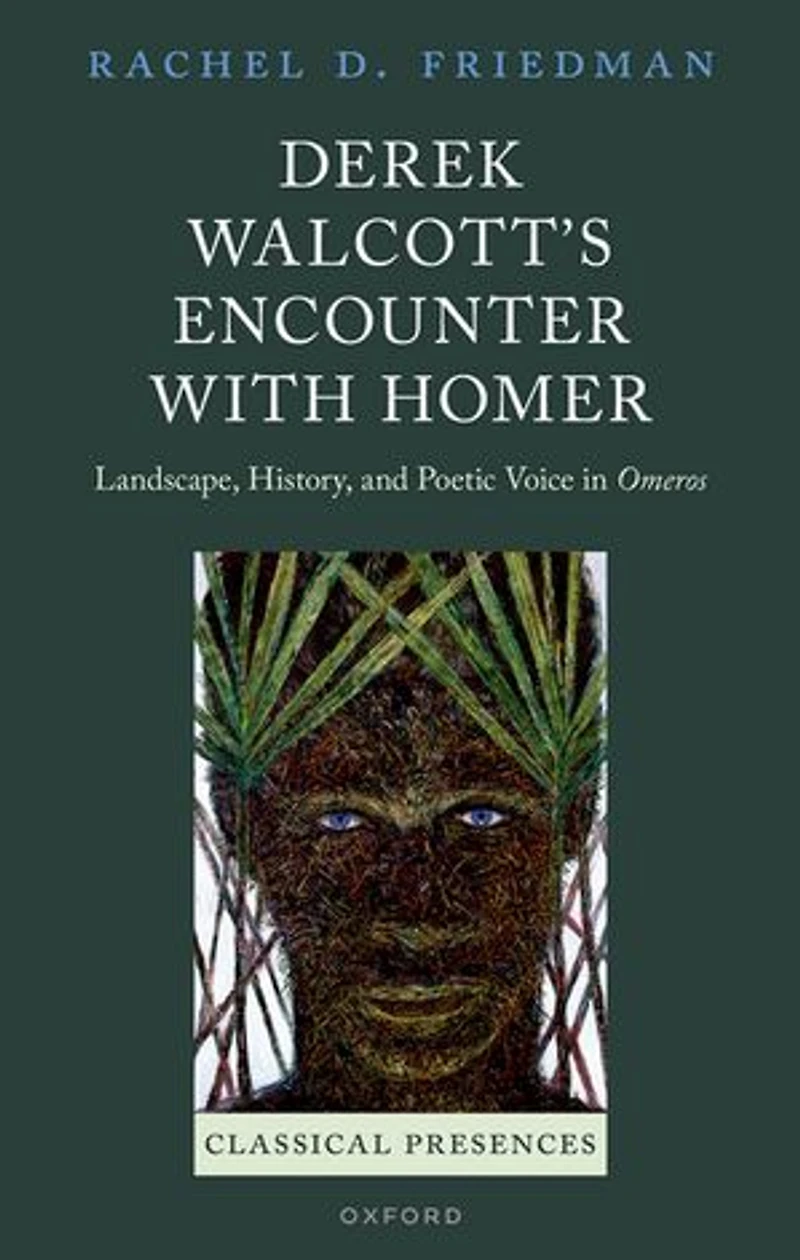
Derek Walcotts Encounter with Homer: Landscape, History, and Poetic Voice Omeros
Current price: $117.59
Original price: $146.92

Derek Walcotts Encounter with Homer: Landscape, History, and Poetic Voice Omeros
Current price: $117.59
Original price: $146.92
Loading Inventory...
Size: Kobo eBook
*Product information may vary - to confirm product availability, pricing, shipping and return information please contact Indigo
Derek Walcott's Encounter with Homer puts Derek Walcott's epic poem Omeros in conversation with Homer, especially the Odyssey , to show how reading them against each other changes our understanding of the poems of both poets. It explores Walcott's conscious use of the Odyssey and the Homeric persona of Omeros to explore his own deepening relationship with his craft and his identity as a Caribbean poet. Walcott's ability to serve as the vessel of history for his people and their landscapes rests on his transformation into (and self-perception as) Homer's contemporary and equal. Central to the project of Omeros is thus an account of his shift from a diachronic to synchronic relationship with Homer: over the course of the poem his poetic persona, the "Poet", and Homer come to occupy the same temporality and creative space. By locating the poems of Walcott and Homer in a zone of vibrant and unexpected encounter, Rachel Friedman demonstrates how they can be seen as mutually informing texts, each made richer in the presence of the other. The argument follows two intertwined thematic threads. The first focuses on the poems' landscapes and seascapes and the ways in which Omeros reworks the Odyssey's affective geography. While the Odyssey represents the sea as a dangerous space and valorizes life on land, Walcott reverses this trajectory from sea to land, bearing witness to the painful histories carried in the St Lucian soil and relocating homecoming to the space of the Caribbean Sea, a space which accommodates diasporic histories and the imagining of fluid forms of emplacement. The second thread focuses on Walcott's poetic persona: his journey in and out of the poem and his positioning of himself as a "tribal poet" like Homer. Central to the project of Omeros is the Poet's account of the processes by which he becomes the poet who can adequately give voice to the histories of his people and the archipelago they inhabit.
Derek Walcott's Encounter with Homer puts Derek Walcott's epic poem Omeros in conversation with Homer, especially the Odyssey , to show how reading them against each other changes our understanding of the poems of both poets. It explores Walcott's conscious use of the Odyssey and the Homeric persona of Omeros to explore his own deepening relationship with his craft and his identity as a Caribbean poet. Walcott's ability to serve as the vessel of history for his people and their landscapes rests on his transformation into (and self-perception as) Homer's contemporary and equal. Central to the project of Omeros is thus an account of his shift from a diachronic to synchronic relationship with Homer: over the course of the poem his poetic persona, the "Poet", and Homer come to occupy the same temporality and creative space. By locating the poems of Walcott and Homer in a zone of vibrant and unexpected encounter, Rachel Friedman demonstrates how they can be seen as mutually informing texts, each made richer in the presence of the other. The argument follows two intertwined thematic threads. The first focuses on the poems' landscapes and seascapes and the ways in which Omeros reworks the Odyssey's affective geography. While the Odyssey represents the sea as a dangerous space and valorizes life on land, Walcott reverses this trajectory from sea to land, bearing witness to the painful histories carried in the St Lucian soil and relocating homecoming to the space of the Caribbean Sea, a space which accommodates diasporic histories and the imagining of fluid forms of emplacement. The second thread focuses on Walcott's poetic persona: his journey in and out of the poem and his positioning of himself as a "tribal poet" like Homer. Central to the project of Omeros is the Poet's account of the processes by which he becomes the poet who can adequately give voice to the histories of his people and the archipelago they inhabit.
You May Also Like








More About Indigo at Erin Mills Town Centre
The largest book retailer in Canada also offers toys, music, home décor, gifts and lifestyle products. What's Inside...Books, Magazines, CD’s and DVD’s, Toys and Gifts, Home Accents, Electronics, Baby’s and Children’s Section, Bath and Body, Kitchen and Bedroom, Stationary Located outside in the exterior plaza.
5015 Glen Erin Dr, Mississauga, ON L5M 0R7, Canada
Find Indigo at Erin Mills Town Centre in Mississauga ON
Visit Indigo at Erin Mills Town Centre in Mississauga ON