

GIVE THE PERFECT GIFT
Erin Mills Town Centre Gift Cards are the perfect choice for your gift giving needs.Purchase gift cards at kiosks near the food court or centre court, at Guest Services, or click below to purchase online.PURCHASE HEREHome
Design Structure Matrix Methods and Applications
Indigo
Loading Inventory...
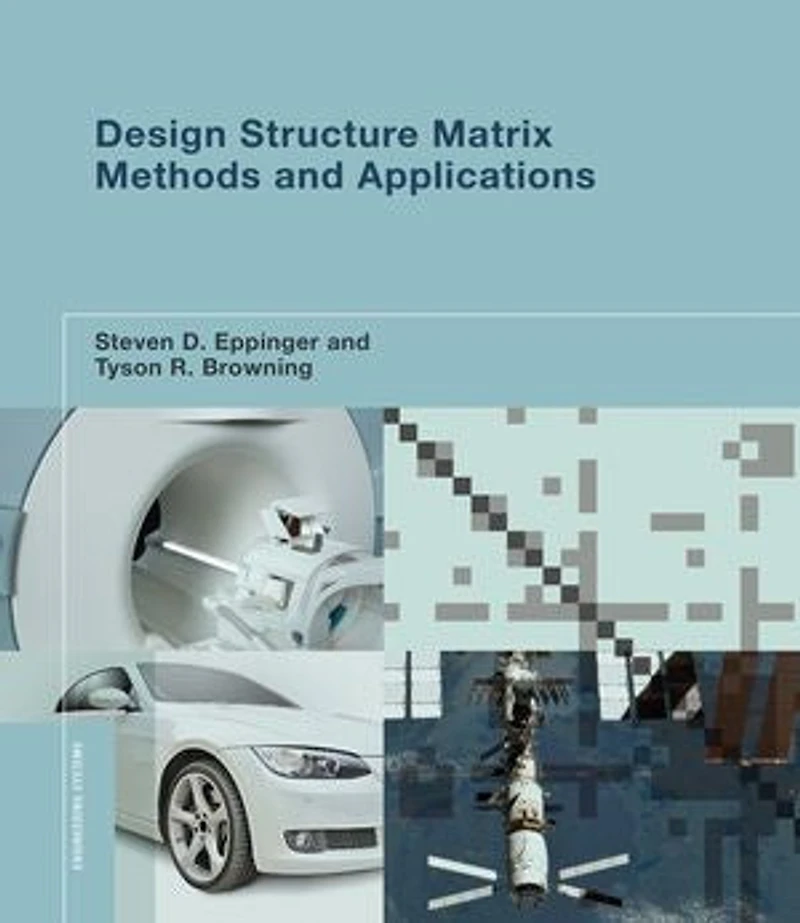
Design Structure Matrix Methods and Applications
Current price: $58.39
Original price: $72.99

Design Structure Matrix Methods and Applications
Current price: $58.39
Original price: $72.99
Loading Inventory...
Size: Kobo eBook
*Product information may vary - to confirm product availability, pricing, shipping and return information please contact Indigo
An introduction to a powerful and flexible network modeling tool for developing and understanding complex systems, with many examples from a range of industries. Design structure matrix (DSM) is a straightforward and flexible modeling technique that can be used for designing, developing, and managing complex systems. DSM offers network modeling tools that represent the elements of a system and their interactions, thereby highlighting the system's architecture (or designed structure). Its advantages include compact format, visual nature, intuitive representation, powerful analytical capacity, and flexibility. Used primarily so far in the area of engineering management, DSM is increasingly being applied to complex issues in health care management, financial systems, public policy, natural sciences, and social systems. This book offers a clear and concise explanation of DSM methods for practitioners and researchers.
An introduction to a powerful and flexible network modeling tool for developing and understanding complex systems, with many examples from a range of industries. Design structure matrix (DSM) is a straightforward and flexible modeling technique that can be used for designing, developing, and managing complex systems. DSM offers network modeling tools that represent the elements of a system and their interactions, thereby highlighting the system's architecture (or designed structure). Its advantages include compact format, visual nature, intuitive representation, powerful analytical capacity, and flexibility. Used primarily so far in the area of engineering management, DSM is increasingly being applied to complex issues in health care management, financial systems, public policy, natural sciences, and social systems. This book offers a clear and concise explanation of DSM methods for practitioners and researchers.
You May Also Like














More About Indigo at Erin Mills Town Centre
The largest book retailer in Canada also offers toys, music, home décor, gifts and lifestyle products. What's Inside...Books, Magazines, CD’s and DVD’s, Toys and Gifts, Home Accents, Electronics, Baby’s and Children’s Section, Bath and Body, Kitchen and Bedroom, Stationary Located outside in the exterior plaza.
5015 Glen Erin Dr, Mississauga, ON L5M 0R7, Canada
Find Indigo at Erin Mills Town Centre in Mississauga ON
Visit Indigo at Erin Mills Town Centre in Mississauga ON