

GIVE THE PERFECT GIFT
Erin Mills Town Centre Gift Cards are the perfect choice for your gift giving needs.Purchase gift cards at kiosks near the food court or centre court, at Guest Services, or click below to purchase online.PURCHASE HEREHome
Designing Rulemaking: How Regulatory Policy Instruments Matter for Governance
Indigo
Loading Inventory...
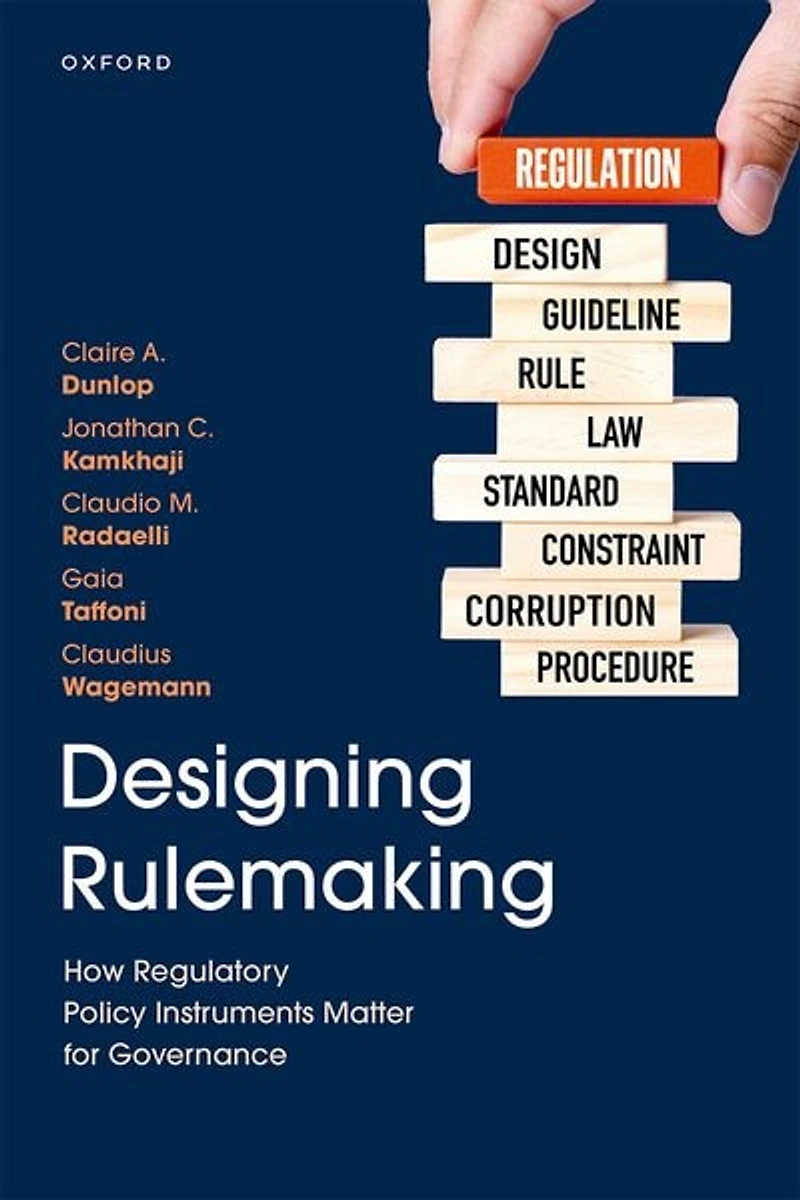
Designing Rulemaking: How Regulatory Policy Instruments Matter for Governance
Current price: $185.00

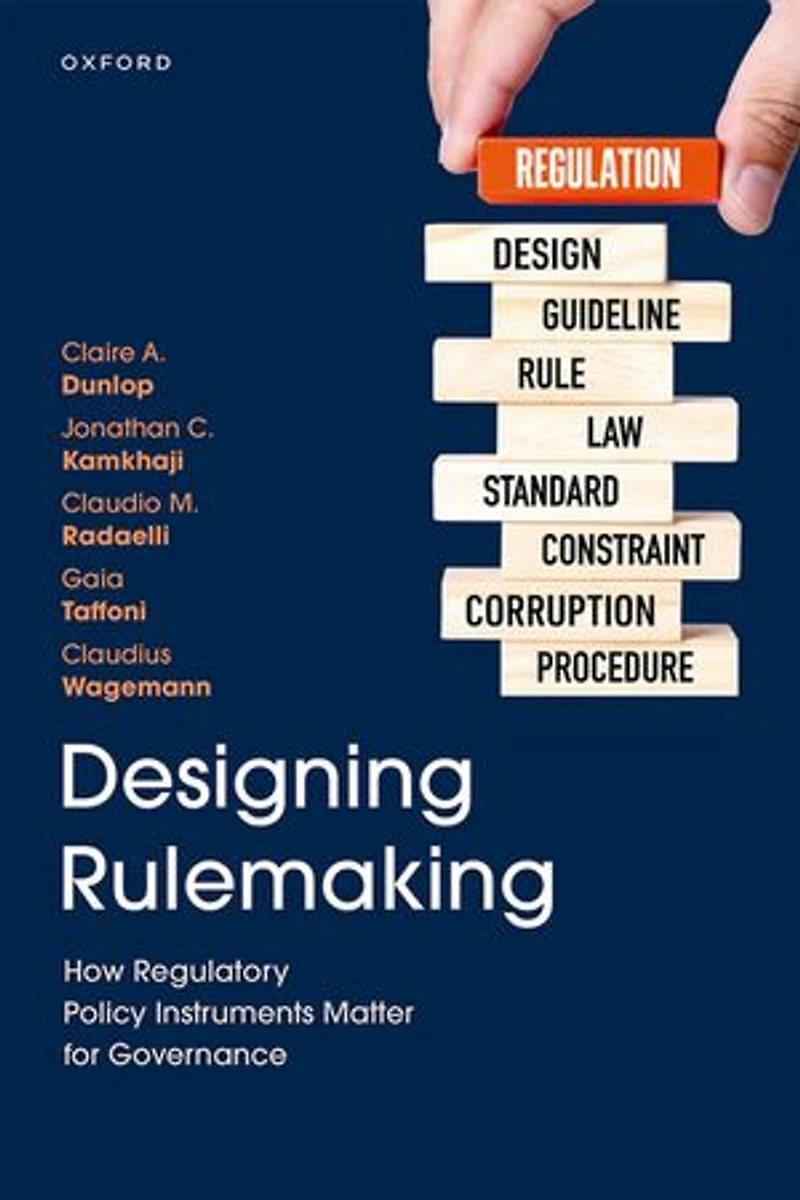
Designing Rulemaking: How Regulatory Policy Instruments Matter for Governance
Current price: $185.00
Loading Inventory...
Size: Hardcover
*Product information may vary - to confirm product availability, pricing, shipping and return information please contact Indigo
This is an open access title available under the terms of a CC BY-NC-ND 4.0 International licence. It is free to read on the Oxford Academic platform and offered as a free PDF download from OUP and selected open access locations. Over the last twenty-five years, many governments around the world have adopted access to information legislation, introduced or re-designed impact assessment procedures for proposed legislation, created ombudsman offices, and engaged stakeholders in various types of consultation. With a general aim of making rulemaking more transparent and inclusive and ultimately more efficient, these governments - nudged by the advocacy of International Organizations - have reformed the design of their rulemaking procedures and calibrated them in specific yet distinct ways. The question arises: do these innovations, designed to open up rulemaking process and make regulation better, have an actual effect on policy and governance outcomes? In Designing Rulemaking , the authors answer this question with a novel, purpose-built dataset on regulatory design based on the legal provisions disciplining four rulemaking procedures - impact assessment, stakeholder consultation, freedom of information, and ombudsman procedures. Examining twenty-eight countries (the EU twenty-seven plus the UK), the dataset operationalises rules as data and measures the design features of each procedure in each country. The authors then, using set-theoretic methods, consider the effects of these combinations of designs of rulemaking procedures on the quality of the business environment, perception of corruption, and environmental performance. Their findings shatter predominant views on policy change in Europe and offer a varied, detailed, granular account of the efficacy of regulatory design.
This is an open access title available under the terms of a CC BY-NC-ND 4.0 International licence. It is free to read on the Oxford Academic platform and offered as a free PDF download from OUP and selected open access locations. Over the last twenty-five years, many governments around the world have adopted access to information legislation, introduced or re-designed impact assessment procedures for proposed legislation, created ombudsman offices, and engaged stakeholders in various types of consultation. With a general aim of making rulemaking more transparent and inclusive and ultimately more efficient, these governments - nudged by the advocacy of International Organizations - have reformed the design of their rulemaking procedures and calibrated them in specific yet distinct ways. The question arises: do these innovations, designed to open up rulemaking process and make regulation better, have an actual effect on policy and governance outcomes? In Designing Rulemaking , the authors answer this question with a novel, purpose-built dataset on regulatory design based on the legal provisions disciplining four rulemaking procedures - impact assessment, stakeholder consultation, freedom of information, and ombudsman procedures. Examining twenty-eight countries (the EU twenty-seven plus the UK), the dataset operationalises rules as data and measures the design features of each procedure in each country. The authors then, using set-theoretic methods, consider the effects of these combinations of designs of rulemaking procedures on the quality of the business environment, perception of corruption, and environmental performance. Their findings shatter predominant views on policy change in Europe and offer a varied, detailed, granular account of the efficacy of regulatory design.
You May Also Like














More About Indigo at Erin Mills Town Centre
The largest book retailer in Canada also offers toys, music, home décor, gifts and lifestyle products. What's Inside...Books, Magazines, CD’s and DVD’s, Toys and Gifts, Home Accents, Electronics, Baby’s and Children’s Section, Bath and Body, Kitchen and Bedroom, Stationary Located outside in the exterior plaza.
5015 Glen Erin Dr, Mississauga, ON L5M 0R7, Canada
Find Indigo at Erin Mills Town Centre in Mississauga ON
Visit Indigo at Erin Mills Town Centre in Mississauga ON